
Fence Repair in Deer Park, NY
Deer Park Fences Fixed Before the Next Storm Hits

Hear from Our Customers
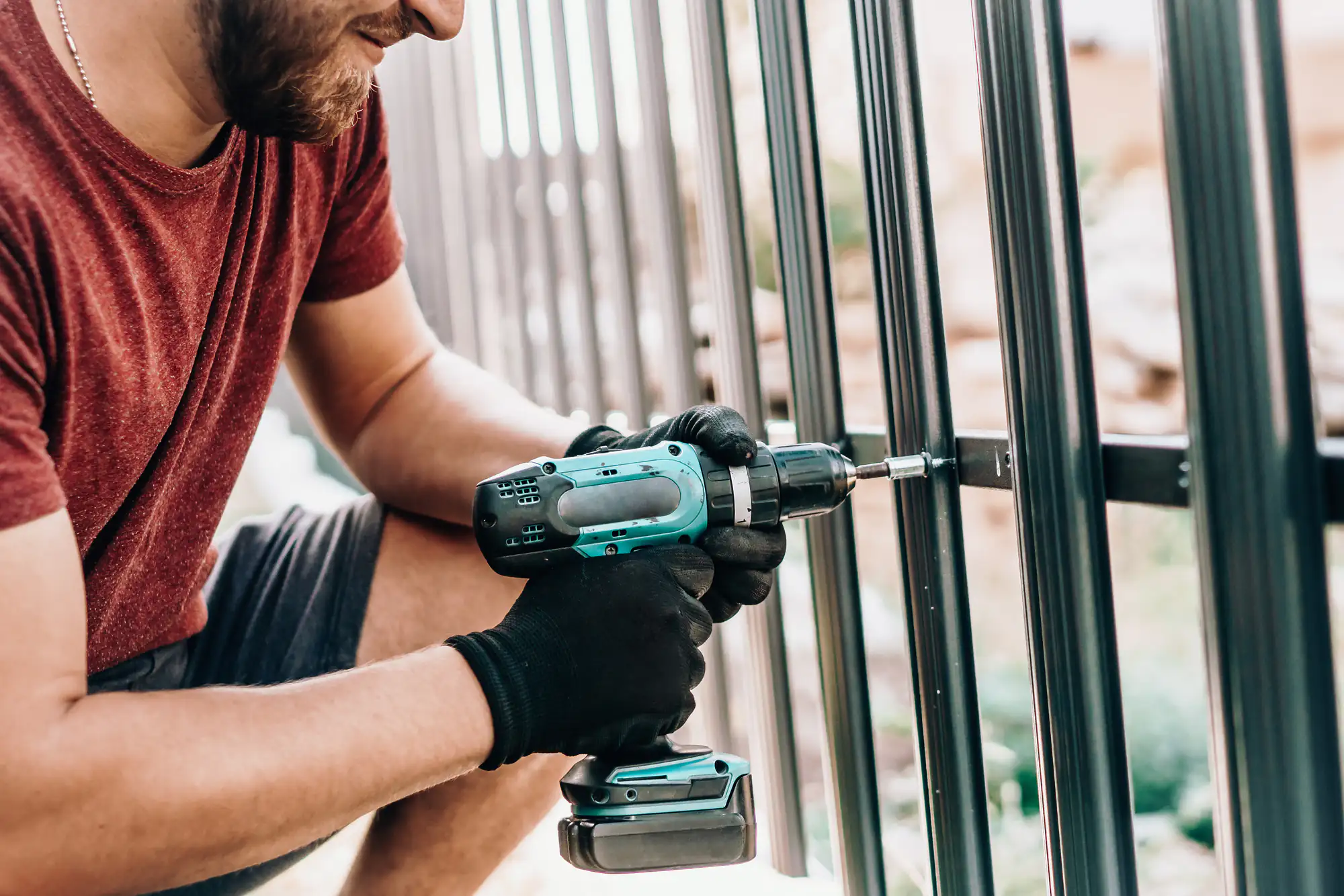
Wood and Vinyl Fence Repair Deer Park
Deer Park sits right in the path of every nor’easter that tracks up the coast and every summer thunderstorm that rolls across central Suffolk County. When those storms hit and they do hit, with documented 65 mph gusts in the area a fence with shallow posts, cheap panels, or skipped concrete is the first thing to go. What you want after a repair is a fence that doesn’t need another one in two years.
The homes throughout Deer Park are mostly post-war builds capes, ranches, and split-levels that have been here since the 1950s and 1960s. That means a lot of the fences on these properties are aging out at the same time. Whether it’s a wood post that finally rotted at the base, a vinyl panel that cracked after a branch came down, or a chain link section that’s been leaning since last winter, the fix has to be done right or you’re back in the same spot before long.
When the job is done correctly posts set to proper depth in central Suffolk’s sandy loam soil, concrete volumes that actually anchor the structure, materials built for the Northeast climate you get a fence that does its job. It keeps your yard secure, your kids and pets where they belong, and your property looking like someone takes care of it. That’s the outcome. Everything else is just details.
Fence Repair Company Serving Deer Park NY
We’ve been doing fence work across western Suffolk County for over 15 years, which means we’ve been through enough Long Island storm seasons to know exactly what fails, why it fails, and how to make sure it doesn’t happen again on your property. We know Deer Park specifically the Town of Babylon’s fence height rules, the pool enclosure requirements, and when a permit is actually needed versus when compliant work is exempt.
We know that the lots off Long Island Avenue in Deer Park are tighter than they look, and that getting the property line right before a single post goes in isn’t optional it’s the job. Our site visits include property line verification and utility locating, because the last thing you need after a storm repair is a neighbor dispute or a call from PSEG.
Every quote we give is itemized lineal footage, post spacing, post depth, concrete volumes. You know exactly what you’re paying for before anything starts. That’s not standard practice in this industry. It should be.
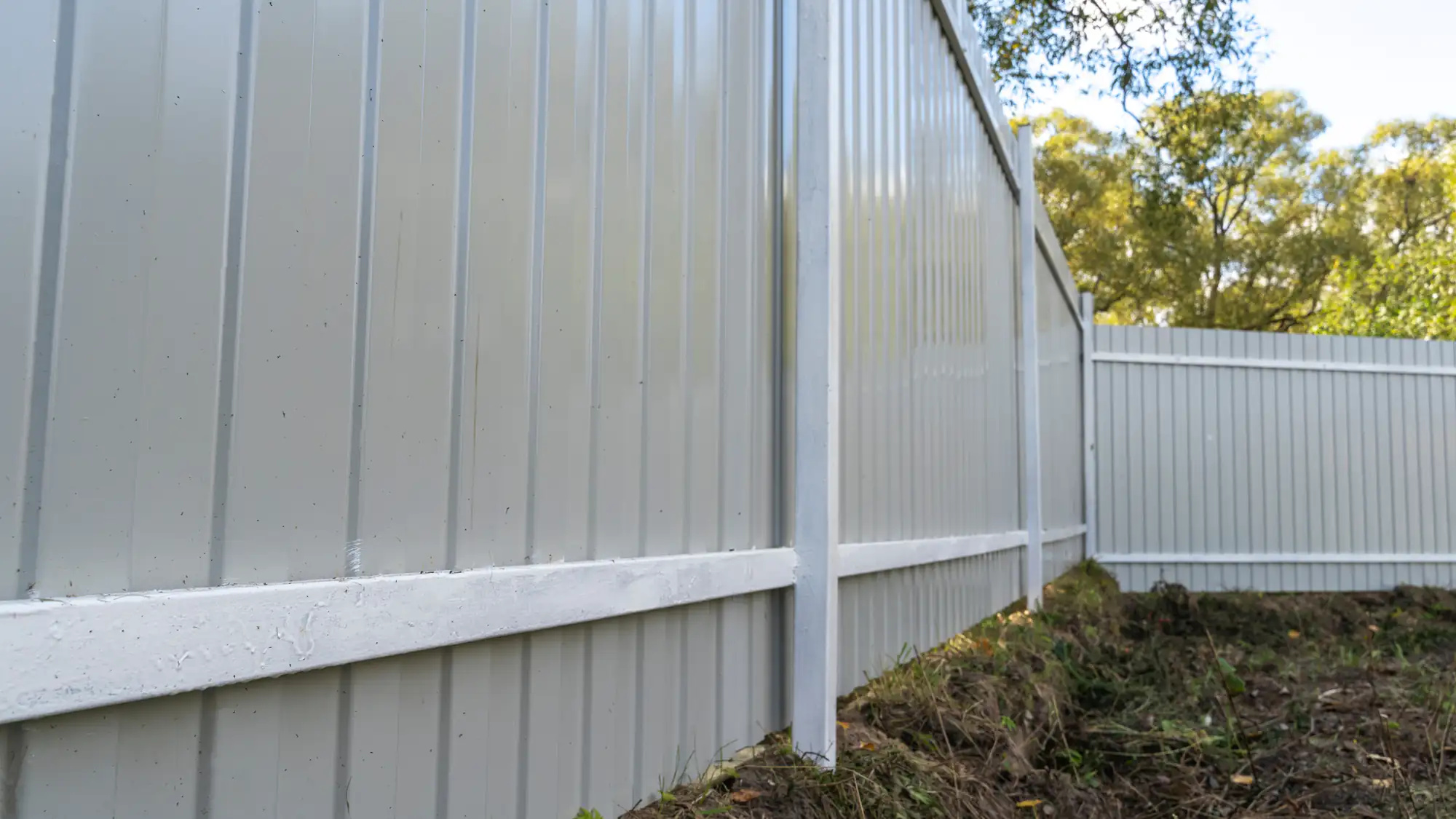
Fence Repair Process Near Deer Park NY
It starts with a site visit. We come out, walk the property, and look at what’s actually going on not just the visible damage, but the posts below grade, the condition of the hardware, and whether the existing fence line is where it’s supposed to be. In Deer Park, where lots run relatively small and neighbors have been living side by side for decades, that property line check matters more than most people realize.
Before any digging starts, we locate underground utilities. With PSEG’s active grid infrastructure running through Deer Park neighborhoods, this isn’t a formality it’s how you avoid a much bigger and more expensive problem. Once the site is cleared, we pull your itemized quote. You see exactly what’s being done, what materials are going in, how deep the posts are being set, and how much concrete is being used. No lump sums, no surprises.
The repair itself is straightforward from there. We remove what’s damaged, set new posts to the correct depth for Suffolk County’s sandy soil conditions which require more care than most contractors give them and install American-made materials with a warranty covering both the work and the product. When we’re done, removed materials are recycled, the site is clean, and you’re not left with a pile of old fence boards sitting in your driveway. If your damage is storm-related and you’re working with your homeowners insurance, we provide the documentation you need to support that claim.

Ready to get started?
Fence Repair Cost and Services Deer Park NY
Deer Park’s housing stock spans more than 70 years of fence installation history. One property might have original chain link from the 1960s, a vinyl section added in the 2000s, and a wood gate that’s been there since the previous owners. We work across all of it wood, vinyl, chain link, aluminum, and composite so you’re not calling three different contractors to handle one property.
Wood fence repair is the most common call we get in Deer Park, and for good reason. The aging post-war homes throughout the area have wood fences that are hitting the end of their serviceable life right now. Post rot at grade, warped panels, and sagging gates are the usual culprits. Vinyl fence repair comes in close behind, especially after storm events where panels take direct hits from branches. Chain link repair is common on the older properties, and composite panel replacement is increasingly what homeowners choose when they’re upgrading a damaged section and don’t want to deal with the same problem in another decade.
Pool fence repair is something we take seriously under Town of Babylon rules. If your pool enclosure in Deer Park is damaged, it needs to meet the 4-foot minimum height requirement with a self-closing, self-latching gate before it’s considered compliant again. We know those requirements and build every pool fence repair to meet them. As for cost most fence repairs in this area run between $300 and $950 depending on material and scope, with full section replacements on a 150-foot run typically falling in the $1,500 to $3,000 range. Your homeowners insurance may cover more of that than you expect, and we’ll help you document it properly.

Do I need a permit to repair my fence in Deer Park, NY?
For most standard fence repairs in Deer Park, you don’t need a permit but the answer depends on what’s actually being done. Under Town of Babylon zoning rules, fencing that complies with the existing code generally doesn’t require a building permit for routine maintenance or repair. That covers things like replacing damaged panels, swapping out a rotted post, or repairing a gate.
Where it gets more complicated is when the work involves structural changes, a full fence replacement along a new line, or any modification that might trigger a variance review. If your fence was originally installed under a variance granted by the Zoning Board of Appeals, any repair or alteration may require a permit. The Town of Babylon Building Department handles all of this they’re at 200 East Sunrise Highway in Lindenhurst, reachable at (631) 957-3058. When we come out for a site visit, we’ll tell you upfront whether what you need falls inside or outside the permit requirement. You won’t find out after the fact.
How much does fence repair typically cost in Deer Park?
For most homeowners in Deer Park, fence repair runs somewhere between $300 and $950 for a standard job a few damaged panels, a post replacement, or a gate repair. Wood fence repair typically runs $25 to $50 per linear foot depending on the extent of the damage and the material going in.
Where costs climb is when you’re dealing with multiple post replacements, full section rebuilds, or storm damage that took out a significant run of fencing. A full replacement on a 150-foot fence in Deer Park generally falls between $1,500 and $3,000. If the damage was caused by a storm, a falling tree, or another covered event, your homeowners insurance may offset a meaningful portion of that especially given that Deer Park home values average around $665,000, which typically means substantial “Other Structures” coverage on your policy. We provide itemized written estimates that work as proper documentation for insurance claims.
How do I know if my fence needs repair or full replacement?
The general rule of thumb is this: if the cost to repair is less than 50% of what a full replacement would run, repair is usually the right call. If you’re at or above that threshold especially on an older fence replacement often makes more financial sense, particularly when you factor in the warranty on new materials and the likelihood of additional failures down the road.
In Deer Park specifically, a lot of the fences we look at are on post-war homes that were built in the 1950s and 1960s. A wood fence installed 30 or 40 years ago may look repairable on the surface, but once you start pulling posts, you find rot that goes deeper than expected. Sandy loam soil which is what you’re dealing with throughout central Suffolk County accelerates post decay when the original installation didn’t use adequate depth or concrete. We’ll give you an honest read on what we find during the site visit. If it makes more sense to replace, we’ll tell you that. If repair is the right move, we’ll tell you that too.
What happens if my fence is on or near the property line in Deer Park?
Property line issues come up more often than most homeowners expect, especially on Deer Park’s smaller post-war lots where six inches in the wrong direction can put you on your neighbor’s land. Under New York State law, if a fence is a division fence meaning it sits on or near the shared boundary both property owners have shared responsibility for its maintenance. If your neighbor formally requests that you repair a fence destroyed by storm or other damage, you have ten days to respond under state law. A property owner who repairs a division fence can also recover up to 20% of the repair cost from the adjoining neighbor.
Before we touch a single post on your property, we verify the fence line against your property boundaries. This protects you from the legal and financial exposure of repairing or rebuilding a fence that turns out to be in the wrong location. It’s one of the steps we take on every site visit in Deer Park, and it’s not something every contractor in this area does. On Deer Park’s tight residential lots, it’s not optional.
Does homeowners insurance cover storm fence damage in Deer Park?
In most cases, yes storm damage to a fence is covered under the “Other Structures” portion of a standard homeowners insurance policy. That coverage typically equals 10% of your dwelling coverage amount. For a Deer Park home valued at $665,000, that’s potentially $66,500 in coverage available for fences, detached garages, and other structures on your property. Most homeowners don’t realize that number exists until they file a claim.
What matters for getting that claim approved is documentation. Your adjuster will want photos of the damage, a written and itemized estimate that specifies materials and scope, and in some cases, evidence that the damage was caused by a covered event wind, falling trees, hail. We provide all of that. Our itemized quotes are formatted to give adjusters exactly what they need, and we can help you understand what your policy likely covers before you file. Deer Park gets hit hard enough by nor’easters and summer storms that this comes up regularly in our work here, and we’ve been through the process enough times to know how to do it right.
How deep should fence posts be set in Deer Park’s soil?
The standard rule is one-third of the total post length below grade so a six-foot fence post should be buried at least two feet deep, and ideally closer to two and a half feet in central Suffolk County’s conditions. The reason depth matters more here than in some other areas comes down to soil composition. Deer Park sits on glacially deposited sandy loam, which drains well but has lower bearing capacity than clay-heavy soils. That means posts without adequate depth and proper concrete volume are more vulnerable to frost heave in winter and lateral movement during high winds.
A fence post that was set 18 inches deep in 1985 with minimal concrete may have held for years, but after enough freeze-thaw cycles and a few serious storms, it starts to shift. That’s why so many of the leaning and failed posts we see in Deer Park neighborhoods aren’t the result of a single storm event they’re the result of an original installation that was never built to last in these soil conditions. Every quote we provide specifies post depth and concrete volumes, so you know exactly how the repair is being done and why it’s built to hold.
Useful Links
Other Services we provide in Deer Park