
Fence Staining Long Island, NY

Stop the Rot Before It Costs You a Full Replacement

Your wood fence takes a beating on Long Island — salt air, humid summers, nor’easters, and freeze-thaw winters that crack unprotected wood fast. Our team brings over 15 years of fencing experience protecting Long Island fences from these exact conditions. Professional fence staining is what keeps that investment standing for years longer than it would otherwise.

Licensed & Insured Free Estimates Bilingual Suffolk County

What Makes Best Fence Different

Three reasons Suffolk County calls us.

Licensed & Insured

Fully licensed and insured in New York — every job done legally, correctly, and fully covered.

Upfront, Honest Pricing

A clear, itemized quote before any work begins — the price we quote is the price you pay.

Free Estimates & Fast Response

Free on-site estimates and same-day responses — with 24/7 availability for urgent jobs.
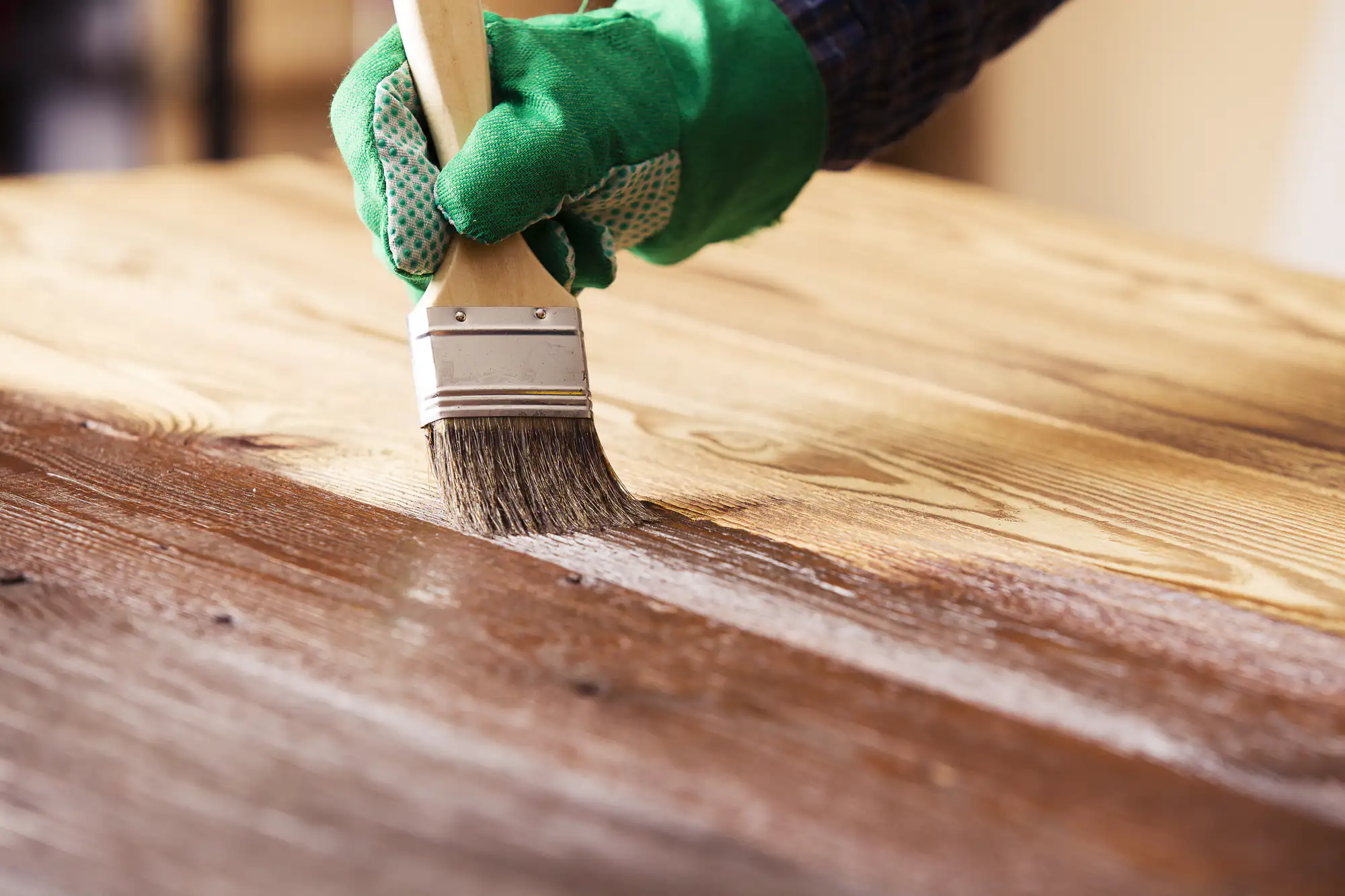
Your Fence Needs More Than a Fresh Coat

Wood Fence Staining Long Island

Your Fence Needs More Than a Fresh Coat

Fence staining isn’t cosmetic. It’s the primary defense against moisture, mold, UV damage, and the kind of slow rot that quietly destroys wood from the inside out. On Long Island, where salt air blows in off the Atlantic and Great South Bay, and where summer humidity regularly sits above 70%, an unstained wood fence absorbs that punishment every single day.

We stain wood fences for homeowners across Suffolk County — cedar, pressure-treated pine, stockade, and more. Whether your fence is newly installed, overdue for a refresh, or just starting to show that familiar gray weathering, we can assess where it stands and give you a straight answer on what it needs.

What Makes Our Work Worth It

Built to last, done right.

Every job is handled by our own crew and finished clean — built to stand up to Long Island weather.

15+ Years of Fencing Experience

Labor and Material Warranty

Transparent, Itemized Quotes

Licensed, Insured, Local

Proper Prep, Not Just a Coat

Repair & Stain in One Visit

What Staining Actually Does for Your Fence

Benefits of Professional Fence Staining

What Staining Actually Does for Your Fence

Done right, a professional staining job adds years of life to your fence and keeps it looking sharp through Long Island’s toughest seasons.

Water beads off the surface instead of soaking into the wood grain and starting the rot process from within.
UV inhibitors in quality exterior stains prevent the gray weathering that makes a fence look 10 years older than it is.
Mildewcide additives stop the mold and mildew growth that Long Island’s humid summers actively encourage on any unprotected wood surface.
A properly sealed fence survives freeze-thaw cycles far better — no moisture inside the wood means no expansion cracks come February.
Regular staining can extend your fence’s lifespan by up to 30%, pushing a 10-year fence toward 15 years or more.
A well-maintained fence protects curb appeal — with Suffolk County home values among the highest in the country, that matters in a competitive real estate market.
Best Fence Long Island crew at work in Suffolk County

Why Best Fence Long Island

A local crew that does it right.

We’re a Centereach-based, locally owned crew — the people who actually do your job, not a call center. From the free estimate to the final follow-up, you get straight answers and clean work.

Honest, itemized pricing — no hidden fees, no pressure.
Permits handled — we know every Suffolk town’s rules.
Licensed, insured, bilingual — and we answer the phone.

Frequently Asked

Long Island fence questions, answered.

How often should I restain my wood fence on Long Island?
The general recommendation is every two to three years, but on Long Island, we lean toward the shorter end of that window. Between the salt air coming off the Atlantic and Long Island Sound, the high summer humidity, and the freeze-thaw cycles that hit every winter, unprotected wood takes on moisture faster here than in drier inland climates. A simple test: splash some water on your fence. If it soaks in instead of beading up, the protective layer is gone and it’s time to restain. Waiting until the wood looks visibly gray or damaged means it’s already been absorbing moisture for a while.
What happens if I skip staining for a few years?
The damage is gradual, which is part of why it’s easy to put off. UV exposure breaks down the wood fibers and causes that silver-gray weathering most homeowners eventually notice. At the same time, moisture is working its way into the wood — swelling it, cracking it, and feeding the mold and mildew growth that Long Island’s humidity makes almost inevitable on unprotected surfaces. Once rot sets in deep enough, staining can’t fix it. At that point, you’re looking at section repairs or full replacement — both of which cost significantly more than a routine staining cycle would have.
Can you stain a fence that was recently repaired or replaced after storm damage?
Yes, and this is actually a common situation we handle across Long Island after nor’easters and summer storms. When sections of a fence are repaired or replaced, the new wood is raw — it doesn’t match the existing stained fence, and it has zero protection against the elements. We can stain the repaired sections to blend with the rest of the fence and seal everything properly. If the entire fence took damage, we’ll assess the full scope and handle repairs and staining together so you’re not making two separate service calls.
Should I stain or paint my wood fence?
For most wood fences, stain is the better choice. Paint sits on top of the wood surface and forms a film that can peel, chip, and trap moisture underneath — which is the opposite of what you want. Stain penetrates into the wood fibers and protects from within while allowing the wood to breathe. Cedar fences especially should never be painted; paint prevents cedar from releasing moisture naturally and can actually shorten the fence’s life. Semi-transparent, oil-based exterior stain with UV inhibitors and mildewcide is what we recommend for most Long Island wood fences — it protects the wood, preserves the grain, and holds up against the coastal conditions here.
Do I need a permit to have my fence stained in Suffolk County?
In most cases, no. Fence staining is considered routine maintenance, not a structural alteration, so it typically doesn’t trigger permit requirements in Suffolk County. That said, Long Island’s permit landscape is genuinely complex — requirements vary town by town across Suffolk County in particular, and what applies in Huntington may differ from what applies in Islip or Babylon. If your staining project is connected to fence repairs or any structural work, permit questions become more relevant. We’re familiar with the local regulatory environment and can flag anything that needs attention before work begins.
Can I stain a brand new fence right away?
Not immediately, and this is one of the most common mistakes homeowners make after a new fence installation on Long Island. Pressure-treated wood needs time to dry out — typically four to six weeks — before it can properly absorb stain. If you apply stain too early, the wood is still releasing moisture and the stain can’t penetrate correctly, which leads to uneven coverage and premature peeling. Cedar dries a bit faster but still benefits from a short waiting period. After that window, staining should happen as soon as possible — the sooner the new wood is protected against Long Island’s salt air and humidity, the better the long-term results.

Ready to get started?

Let's build something with Best Fence Long Island.

Free Quote