
Fence Staining in Mount Sinai, NY
Your Mount Sinai Fence Takes a Beating From the Harbor Here’s the Fix
Hear from Our Customers
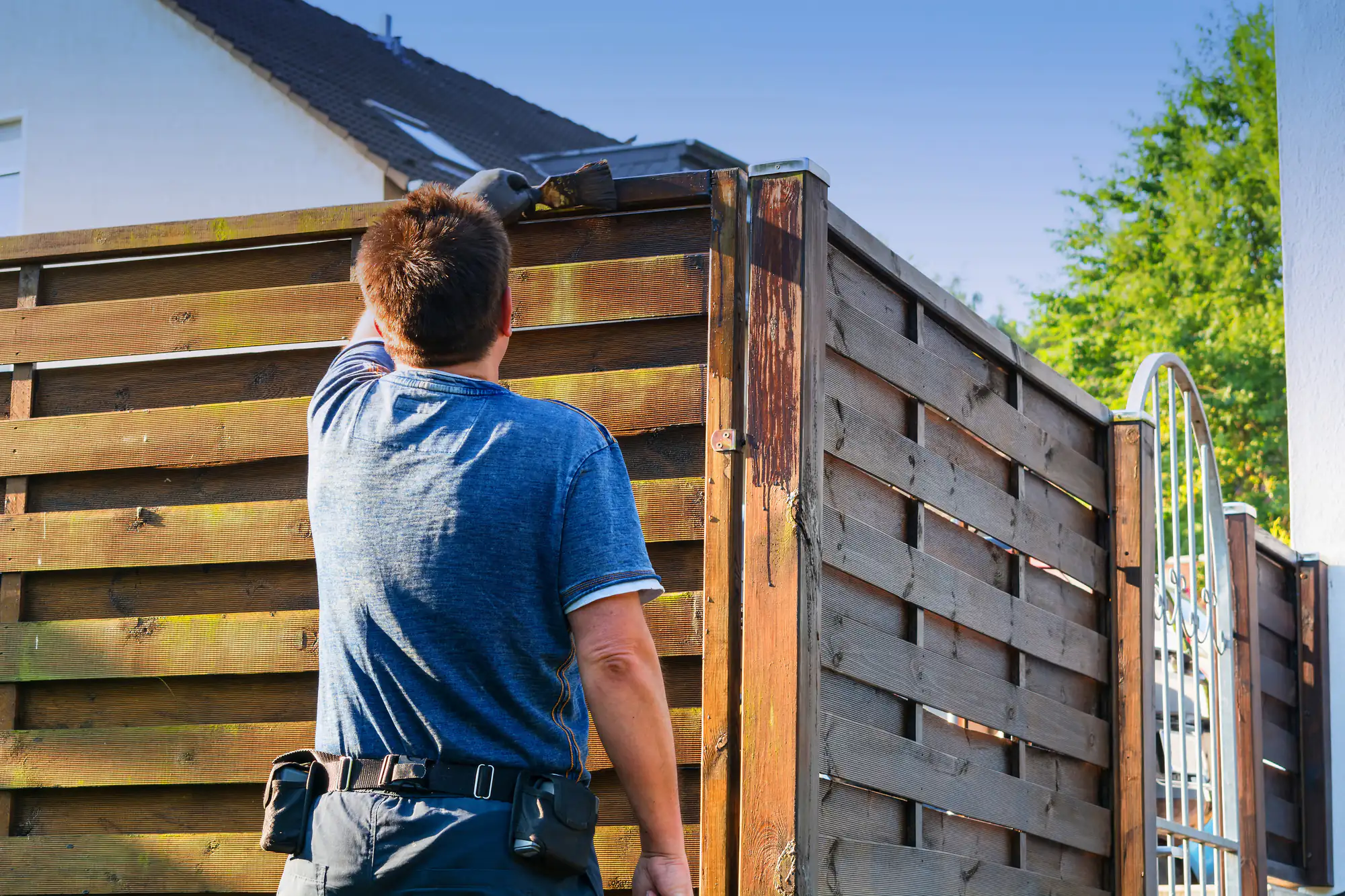
Wood Fence Staining Mount Sinai
Mount Sinai sits right on the water’s edge, and your fence feels every bit of it. The ambient moisture rolling in off Long Island Sound, the salt-laced air that moves through the hamlet year-round, the UV exposure in summer untreated wood absorbs all of it. What starts as surface graying turns into cracking, splitting, and eventually boards that are past the point of saving. A properly stained and sealed fence stops that cycle before it starts.
The homes in neighborhoods like The Orchards, Island Estates, and along Crystal Brook Hollow Road were mostly built in the 1980s and 1990s. A lot of those original fences are still standing but they’re working harder than they should be without any protection. Professional staining penetrates the wood grain, seals out moisture, and gives the surface a fighting chance against the freeze-thaw cycles that crack unprotected boards every winter.
Beyond the protection, there’s the straightforward reality that a well-maintained fence looks like it belongs on a well-maintained property. In a community where median home values are pushing $700,000 and higher, a gray and weathered fence sends the wrong signal. Staining every two to three years is what keeps the fence and the property looking like someone’s paying attention.
Fence Staining Contractor Mount Sinai NY
We’ve been doing this work on Long Island for over 15 years, with deep roots in Mount Sinai and the surrounding North Shore communities. That’s not a number we throw around casually it means we’ve worked through enough North Shore winters, nor’easters, and salt-air summers to know exactly what conditions like Mount Sinai’s do to a wood fence over time. We understand the terrain here, the housing stock, and what homeowners in this part of Suffolk County actually expect from a contractor.
Every job starts with a professional site visit. We walk the fence line, assess the wood condition, verify property boundaries, and locate utilities before anything else happens. You get an itemized written quote that breaks down lineal footage, materials, and labor no ballpark figures that change when we show up. Our warranty covers both workmanship and materials, which means we’re accountable after the job is done, not just on the day you sign off.
We use American-made materials on every project, and we incorporate environmentally responsible practices including material recycling something that matters in a community as invested in its natural environment as Mount Sinai.
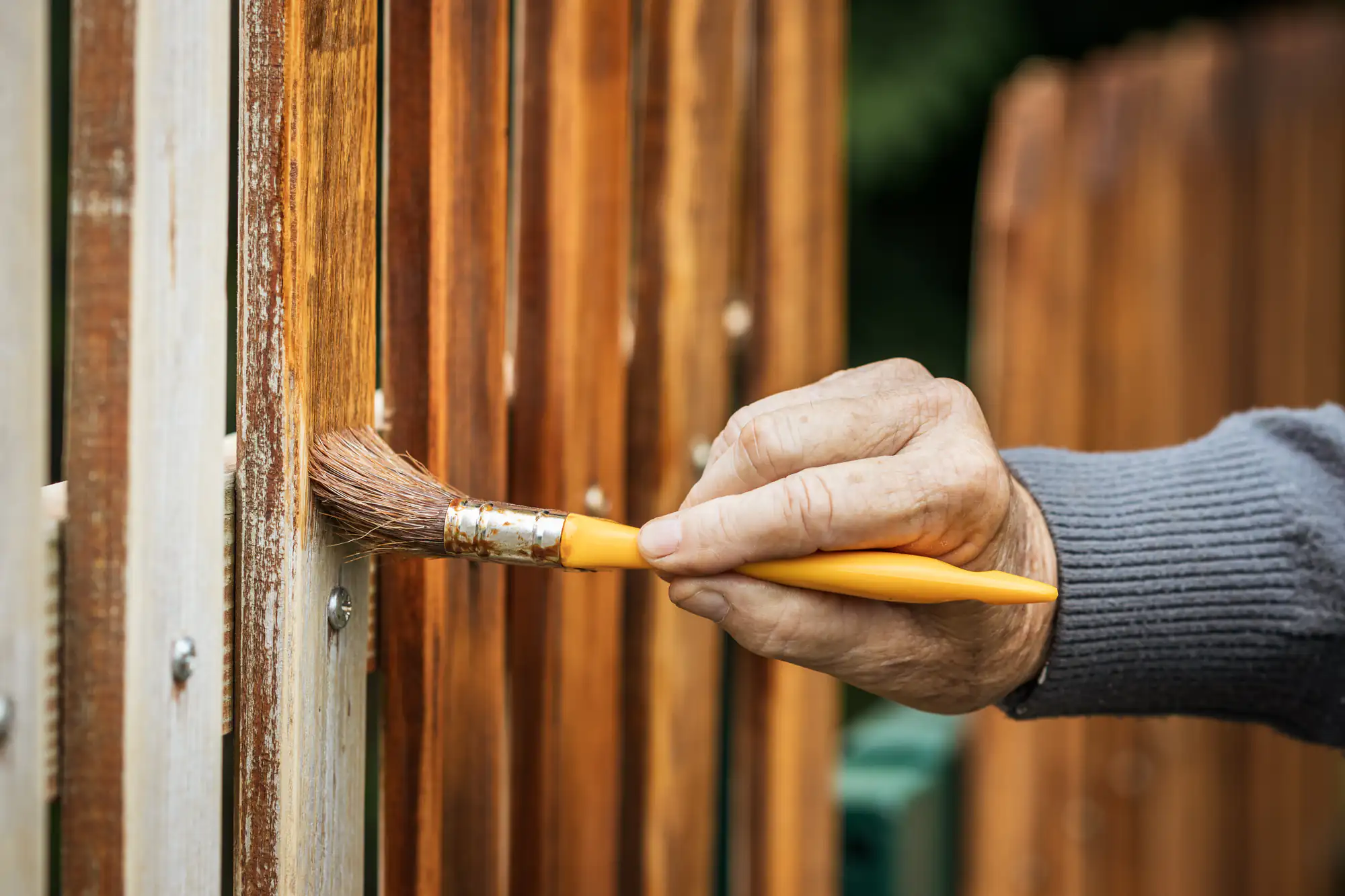
Professional Fence Staining Process Mount Sinai
It starts with a site visit not a phone estimate, not a number pulled from square footage you measured yourself. Someone from our team comes to your property, walks the fence, and looks at what’s actually there. We check the wood condition, identify any boards or posts that need repair before staining, verify property lines, and locate buried utilities. In an established hamlet like Mount Sinai, where lot lines near the harbor can get complicated and underground infrastructure dates back decades, skipping this step creates expensive problems. We don’t skip it.
Once the assessment is done, you get a written itemized quote. It specifies lineal footage, the stain product being used, application method, and labor every line accounted for. If sections of the fence need repair before staining, that’s in the quote too. Nothing gets added after the fact.
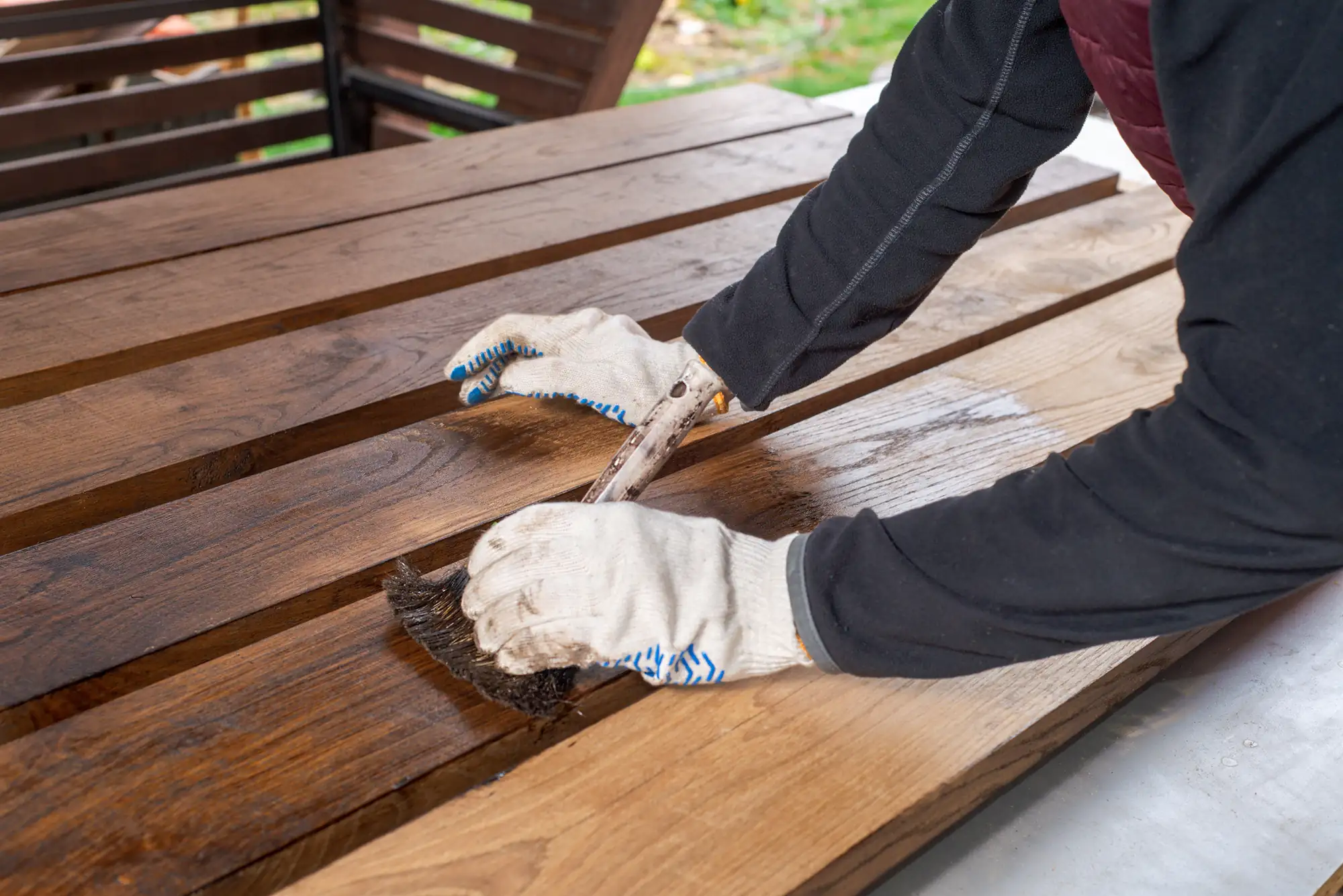
On the job itself, prep comes first. Wood that hasn’t been cleaned and brightened won’t hold stain the way it should especially on a fence that’s been exposed to Mount Sinai’s coastal humidity for a few seasons. We clean the surface, let it dry to the right moisture level, and then apply stain to both sides of every board. One-sided staining causes uneven moisture absorption and warping it’s a shortcut that shows up as a problem within a season or two. After the job, we walk the fence with you before we leave.
Ready to get started?
Fence Staining and Sealing Mount Sinai NY
Fence staining in a coastal hamlet like Mount Sinai isn’t the same job it is in an inland town. The salt air coming off Long Island Sound accelerates wood degradation faster than most homeowners realize. The dense tree canopy the same wooded character that makes this hamlet feel removed from everything creates shade and moisture retention that keeps wood damp longer after rain. The freeze-thaw cycles every winter do the rest. The stain products and application methods we use are selected specifically for these conditions, not pulled from a generic catalog.
We handle cedar fences, pressure-treated pine, and spruce the three most common wood types in this area’s residential housing stock. If your fence is new pressure-treated lumber, we’ll tell you honestly if it needs more time to dry before staining will penetrate properly. If your fence has been weathered for years and you’re not sure whether it’s worth staining or replacing, we assess that honestly too. A lot of fences that look like they’re past saving can be cleaned, brightened, and restored to a condition worth protecting.
We also cover storm and vehicle damage repair. If a nor’easter or a summer thunderstorm takes down a section of your fence, we handle the repair and stain the restored sections to match one crew, one visit, no coordinating between contractors while your yard sits open. Staining is maintenance, not a permit-required modification, so there’s no Town of Brookhaven filing involved for a standard staining job.
How often should I stain my wood fence in Mount Sinai, NY?
For most wood fences in Mount Sinai, every two to three years is the right interval but the honest answer depends on what your fence is exposed to and what it’s made of. A cedar fence on a lot near the harbor or along Crystal Brook Hollow Road, where salt air and ambient moisture are higher, is going to show wear faster than a pressure-treated fence on a more sheltered lot further south toward Coram Road.
The clearest indicator isn’t a calendar it’s the water test. Sprinkle water on the surface of the fence. If it beads up, the existing stain is still doing its job. If it soaks in immediately, the wood is unprotected and you’re overdue. Waiting too long after that point means UV damage and moisture have already started breaking down the wood fiber, which makes the next stain job harder and more expensive. Staying ahead of it is always cheaper than catching up.
My fence has turned gray and rough is it too late to stain it?
Probably not. Graying is UV oxidation, and rough texture is surface weathering neither one automatically means the wood is structurally compromised. In most cases, a fence that looks gray and tired can be cleaned with a wood brightener, lightly sanded or pressure washed to open the grain, and then stained to dramatically better results than most homeowners expect going in.
Where it gets more complicated is when the wood has started cracking deeply, when posts are soft at the base from moisture rot, or when boards are splitting along the grain rather than just showing surface wear. Those are signs that some sections need replacement before staining makes sense. We assess this honestly during the site visit if staining will solve it, we tell you. If you need new boards in certain sections first, we tell you that too. You’re not going to get a sales pitch for full replacement when a restoration stain job is the right answer.
How long does fence stain actually last on Mount Sinai’s North Shore?
A professionally applied stain on properly prepped wood typically lasts two to four years in Mount Sinai’s climate but that timeframe is doing a lot of work in the sentence. Mount Sinai’s position on Long Island Sound means your fence is dealing with salt air, high ambient humidity from the harbor, intense summer UV, and freeze-thaw cycles every winter. That combination is harder on stain than what you’d see in an inland community like Holbrook or Selden.
The two biggest factors that determine how long a stain job holds up are prep and coverage. Stain applied over dirty, wet, or weathered wood without proper cleaning will fail in a single season regardless of product quality. Stain applied to both sides of every board not just the visible face holds significantly longer because the wood isn’t absorbing moisture unevenly from the back. Both of those are standard in how we work, not optional add-ons.
Should I stain a brand new fence right away or wait?
Wait but know what you’re waiting for. New pressure-treated lumber is kiln-dried to a point, but it still contains significant residual moisture when it comes off the truck. Applying stain too early means it can’t penetrate properly, and the job will fail within a season. For pressure-treated pine, the standard guidance is to wait approximately six months before staining. For new cedar, the window is shorter typically five to seven weeks is enough for the surface moisture to normalize.
The timing also depends on when the fence was installed. A fence put in during a wet Mount Sinai spring is going to hold moisture longer than one installed during a dry August. We check moisture levels during the site visit rather than going by a fixed calendar date wood doesn’t read the calendar. Getting the first stain application right is the most important one, because it sets the baseline protection for everything that follows.
What’s the difference between fence staining and fence painting for a wood fence?
Stain penetrates into the wood fiber it doesn’t sit on top of the surface the way paint does. That matters a lot in a climate like Mount Sinai’s, where wood is constantly cycling through wet and dry conditions with the seasons. Paint forms a film on the surface, and when moisture gets underneath that film through cracks, nail holes, or end grain, it blisters and peels. Once paint starts peeling on a wood fence, the prep work required to fix it properly is significant.
Stain doesn’t peel. When it wears, it fades gradually and evenly, which means restaining is a straightforward prep-and-apply job rather than a strip-and-repaint project. For a wood fence in a coastal environment like this one, stain is almost always the more practical long-term choice. It lets the wood breathe, it holds up better through freeze-thaw cycles, and maintenance is simpler. Paint has its place on trim and siding on a wood fence that’s going to expand and contract with every season, stain performs better over time.
A storm knocked down part of my fence can you repair and stain it in the same visit?
Yes, and that’s exactly how we handle it. If a nor’easter or a summer thunderstorm the two most common culprits in Mount Sinai given the mature tree canopy and direct Sound exposure takes out a section of your fence, we assess the damage, handle the structural repair, and stain the repaired sections to match the existing fence in a single visit. You’re not coordinating a fence repair contractor and a staining contractor separately while your yard sits open and your dog is a flight risk.
If you’re filing a homeowner’s insurance claim, we provide the documentation you need for the damage assessment. We’ve worked through enough storm damage situations on Long Island to understand what insurers typically ask for and how to make that process straightforward on your end. The repair gets done right posts reset properly, boards matched to the existing fence profile and the stain goes on after the new wood has had the appropriate time to dry. We’ll tell you if there’s a short waiting period needed before staining the repaired sections, and we’ll schedule accordingly so the finished result looks consistent across the whole fence.
Useful Links
Other Services we provide in Mount Sinai