Fence Installation in Mount Sinai, NY
North Shore Storms Don’t Wait Neither Should You
Hear from Our Customers
Fence Contractors Near Mount Sinai, NY
Living on the North Shore means your fence faces things that most inland Long Island homes never deal with. The salt air off Mount Sinai Harbor, the wind that comes off Long Island Sound during a nor’easter, the moisture that settles into posts on harbor-adjacent lots these aren’t minor factors. They’re the difference between a fence that holds up for 20 years and one that’s leaning by year five. Choosing the right contractor here isn’t just about price. It’s about whether they’ve actually worked in this environment and know what it demands.
Most homes in Mount Sinai are detached single-family properties, many built between the 1960s and early 2000s. That means a lot of original fences are at or past their useful life and a lot of replacement projects are being planned right now. Whether you’re replacing something that finally gave out, repairing storm damage, or installing a new fence on a property that’s never had one, the outcome you’re after is the same: a fence that looks right, holds up, and doesn’t become a problem six months from now.
When the job is done correctly posts set at the right depth for North Shore soil conditions, materials chosen for coastal durability, property lines confirmed before a single hole is dug you get a fence you don’t have to think about again. That’s what a well-executed installation actually delivers.
Fence Company Near Mount Sinai, NY
We’ve been installing fences across Suffolk County for over 15 years, with deep roots in Mount Sinai and the surrounding North Shore communities. That’s enough time to know what works on a bluff-top property near Cedar Beach and what fails on a harbor-adjacent lot off North Country Road. This isn’t a company that figured out Mount Sinai fencing from a manual it’s one that’s done the work here, in this terrain, through every season.
Every fence we install comes with a written warranty covering both workmanship and materials. Every quote we provide is itemized lineal footage, post spacing and depth, concrete volumes so you know exactly what you’re getting before anything is signed. And every job starts with a professional site visit that includes property line verification and utility locating, because skipping those steps is how problems start.
All fence materials we use are made in America. That’s not a marketing line it’s a quality standard that matters when you’re protecting a home worth $700,000 on the North Shore of Long Island.
Fence Installation Process in Mount Sinai
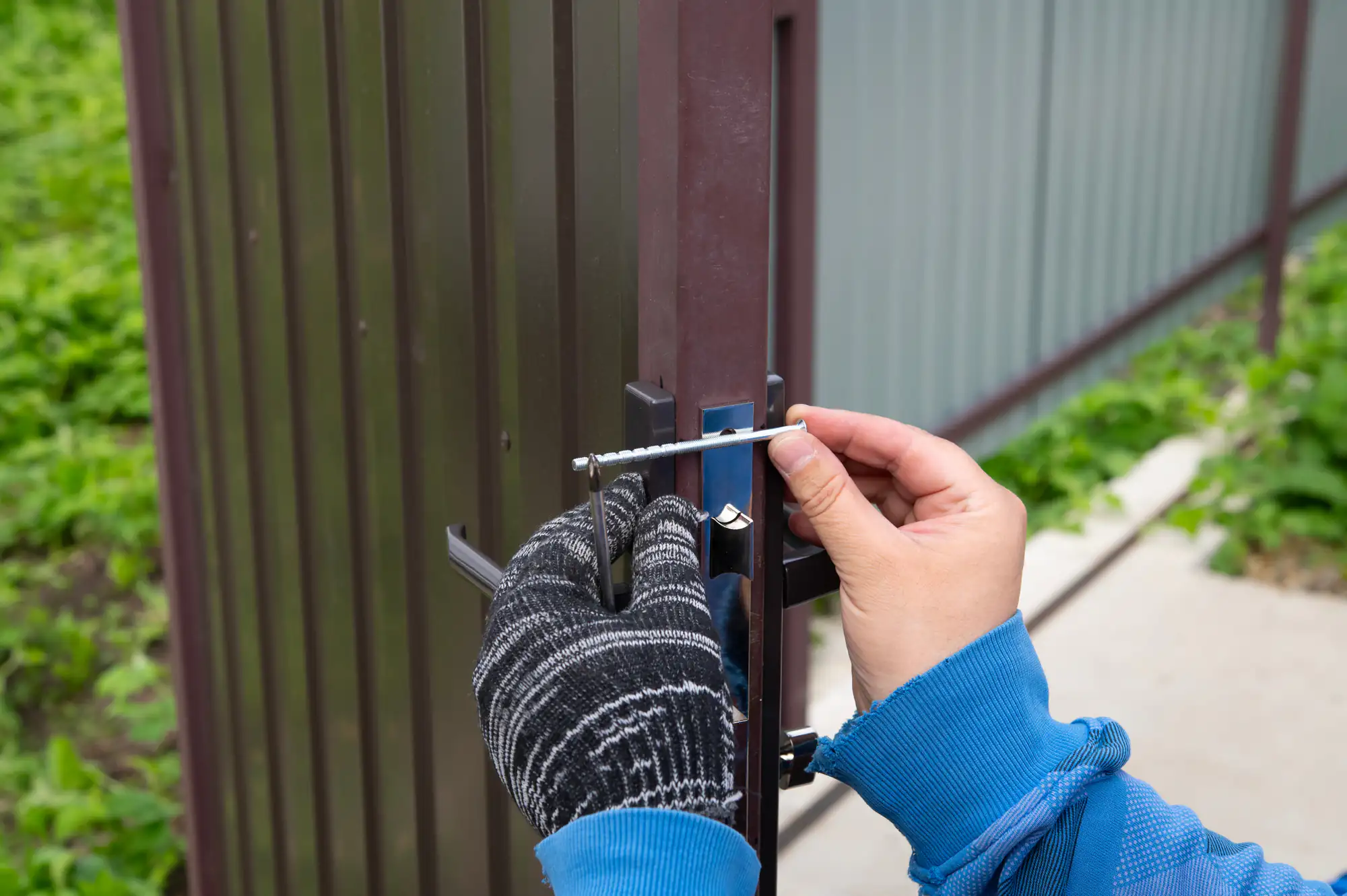
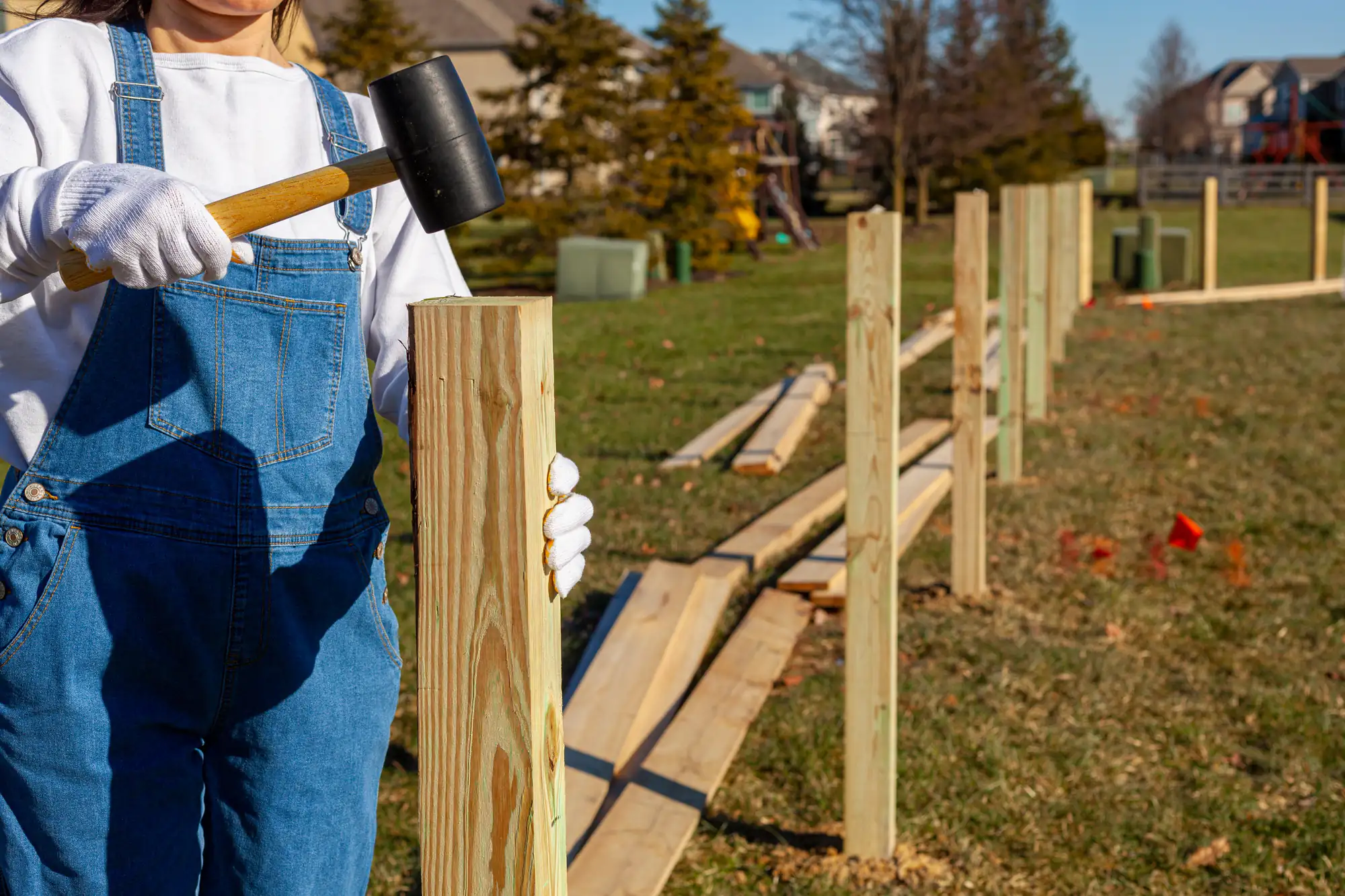
It starts with a site visit not a phone estimate, not a ballpark number based on your description. Someone from our team comes out, walks the property, and looks at what’s actually there. That visit includes property line verification, because Mount Sinai’s housing stock spans multiple development eras. Lots laid out in the 1960s next to properties carved from the old Davis Peach Farm in the early 2000s don’t always have obvious boundaries. Confirming the line before installation protects you from a boundary dispute after the fact.
Utility locating happens before any digging begins. New York State law requires it, and it’s non-negotiable on every job older neighborhoods in Mount Sinai can have infrastructure that doesn’t run where you’d expect. Once the site is cleared, you receive a fully itemized quote with post depth, spacing, concrete volumes, and lineal footage spelled out. No vague totals. No surprises at invoice time.
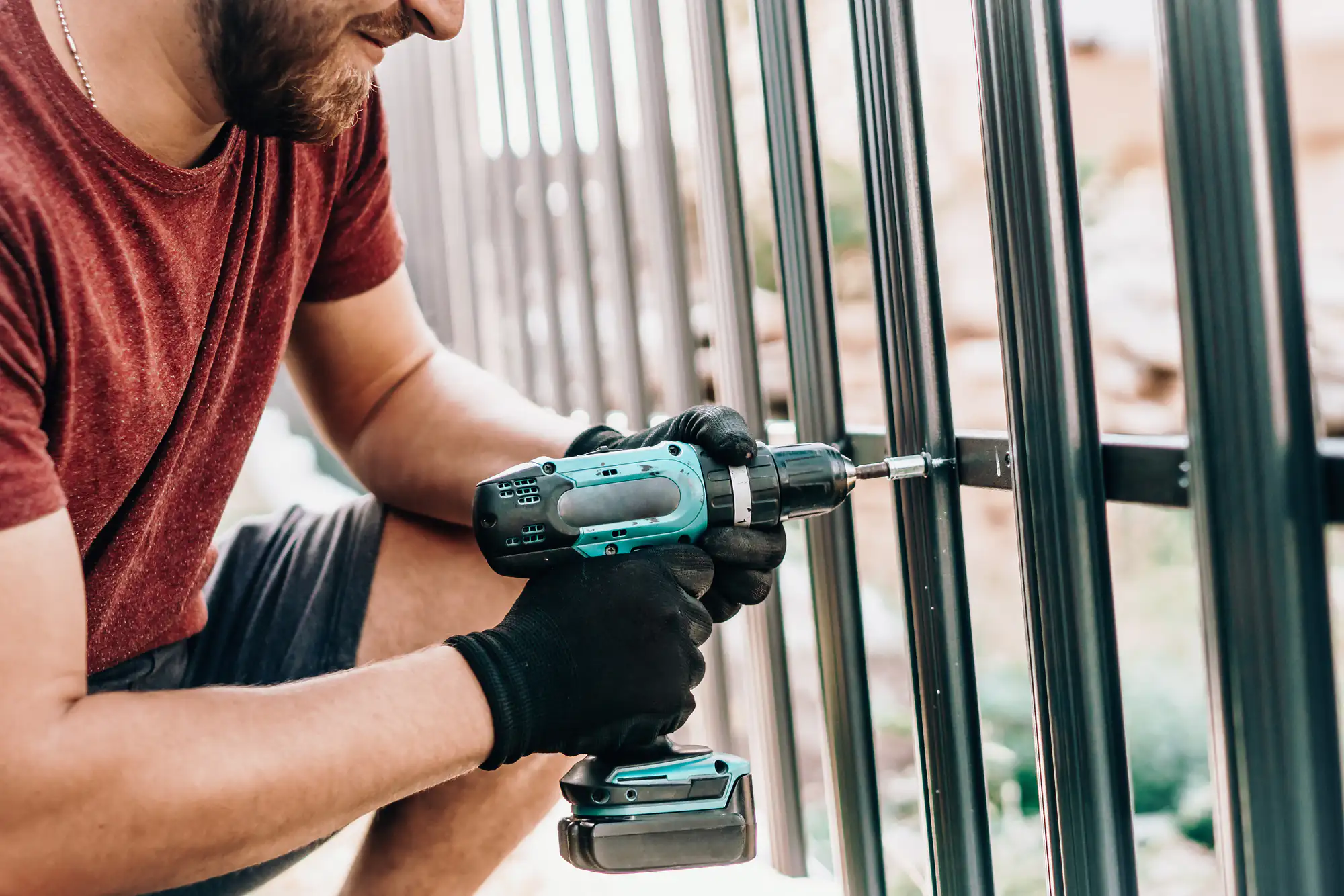
From there, the installation is scheduled around your timeline and the season. Spring and fall are the busiest windows in Mount Sinai, so if you’re planning ahead, earlier is better. If you’re dealing with storm damage and need a faster response, that’s handled differently and urgently. After installation, the dual warranty covers both the labor and the materials, so if something shifts or fails, one call resolves it.
Ready to get started?
Fence Builders Near Mount Sinai, NY
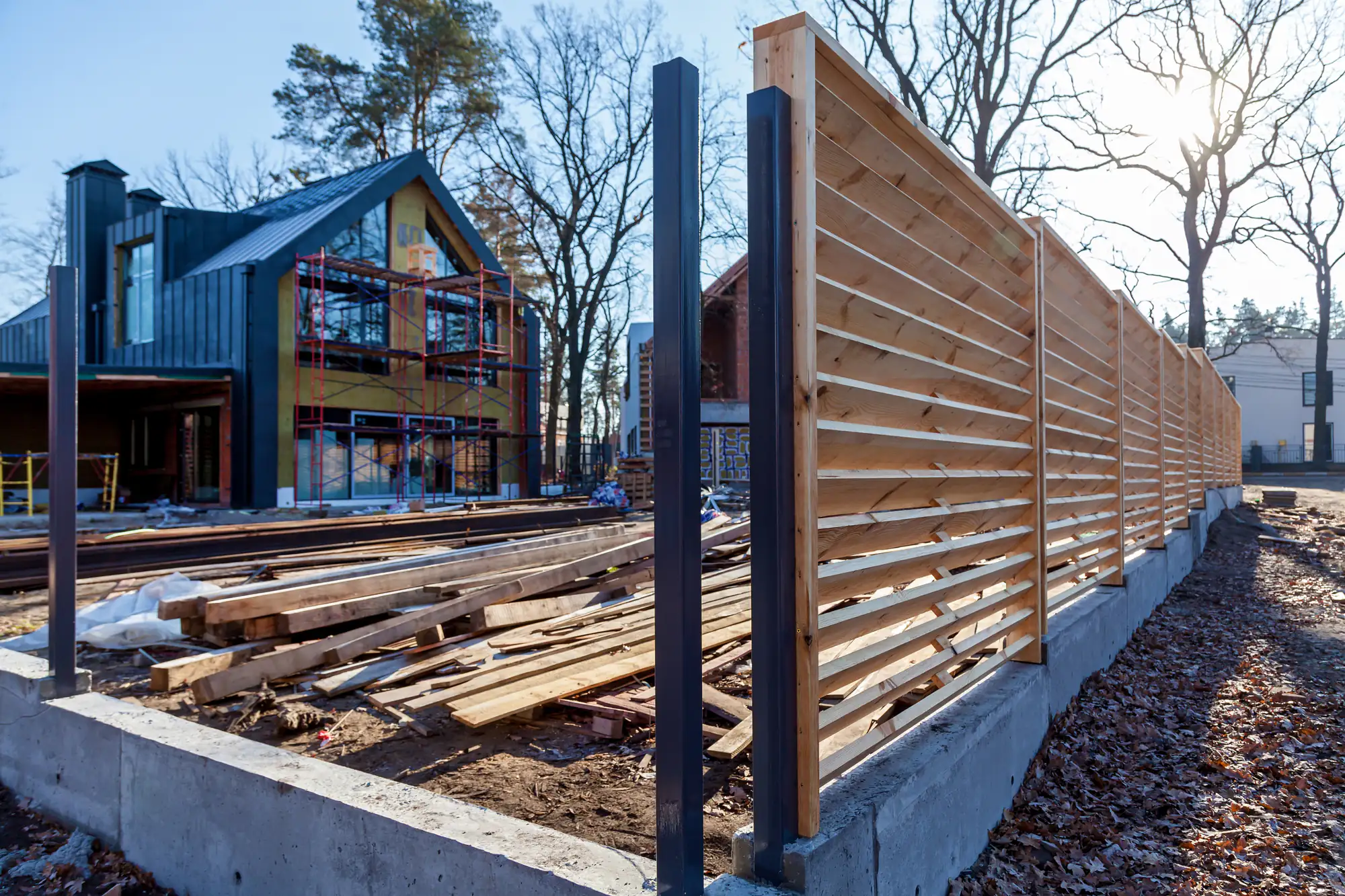
Fence installation in Mount Sinai isn’t a one-size-fits-all job. The glacially-formed terrain here bluffs, ridges, and harbor-adjacent lowlands means soil conditions vary significantly across short distances. Post depth requirements on a bluff-top property near the Sound are different from what’s needed on a flat residential lot off Mount Sinai-Coram Road. We account for that on every installation. Posts are set to the depth the ground actually requires, concrete volumes are specified in writing, and material selection is made with coastal durability in mind not just aesthetics.
For homeowners in communities like Plymouth Estates, HOA rules may govern fence height, style, and materials. We address that before anything is ordered. For properties near Mount Sinai Harbor or its surrounding salt marshes, proximity to wetlands can trigger additional permitting considerations under New York State DEC regulations something worth knowing before you start. All fence installations in Mount Sinai fall under the Town of Brookhaven’s building permit requirements, and we navigate that process as part of the service.
Storm and vehicle damage repair is also covered. If a downed tree or a bad nor’easter damages your fence, our response is fast, the documentation supports your insurance claim, and the repair is backed by the same warranty as a new installation. American-made materials across every job vinyl, wood, aluminum, chain link and environmentally responsible disposal of removed fencing round out what we include.
Do I need a permit to install a fence in Mount Sinai, NY?
Yes, in most cases. Mount Sinai is an unincorporated hamlet within the Town of Brookhaven, which means all fence permits go through the Town of Brookhaven Building Department not a village or local municipality. Permit requirements typically apply when a fence exceeds a certain height, with front yard and rear yard limits differing by zoning district. Front yard fences are generally held to a lower height restriction than rear yard fences, though the exact limits depend on your specific zone and setback.
Skipping the permit process is a real risk. A non-compliant fence can result in a stop-work order or a requirement to remove and reinstall at your own cost a painful outcome on a $700,000 property. We know Brookhaven’s process and can guide you through it as part of the job being done right. Before any installation begins, the permitting requirements for your specific lot should be confirmed with the Town of Brookhaven Building Department.
How much does fence installation typically cost in Mount Sinai?
Fence costs in Mount Sinai typically range from around $1,573 on the lower end for smaller or simpler projects to $7,444 or more for larger or more complex installations. The average project tends to fall between $3,500 and $4,800, though that range shifts depending on material choice, total lineal footage, terrain conditions, and whether any removal of existing fencing is involved.
On the North Shore, material selection genuinely affects long-term cost. A fence installed near Mount Sinai Harbor or on a bluff-top property with direct salt air exposure will degrade faster if built with lower-grade materials meaning a cheaper upfront installation can cost more over time through earlier replacement or ongoing repairs. Vinyl and aluminum tend to hold up better in coastal conditions than untreated wood. The best way to understand your actual cost is to get a fully itemized quote that breaks down lineal footage, post depth, spacing, and concrete volumes so you’re comparing real numbers, not ballpark estimates.
What fence material holds up best near Mount Sinai Harbor and the Sound?
For properties with direct or near-direct exposure to Long Island Sound bluff-top lots, harbor-adjacent yards, or homes within a few blocks of Cedar Beach vinyl and aluminum are generally the most durable choices. Both resist salt air corrosion and moisture absorption in ways that untreated wood simply doesn’t. Wood fences in coastal environments require consistent maintenance and the right treatment to have a reasonable lifespan; without it, you’re looking at graying, warping, and post rot within a few years.
Chain link with galvanized or vinyl-coated hardware also performs well in salt-air environments, as long as the hardware and fittings are rated for coastal exposure. The key isn’t just the fence panel material it’s the posts, the hardware, and the concrete used to set them. A vinyl fence set with undersized posts or insufficient concrete depth won’t survive a North Shore nor’easter regardless of how good the panels are. Material selection and installation quality work together, and both matter more here than they do in inland Suffolk County towns.
How do I know where my property line is before installing a fence in Mount Sinai?
This is one of the most important questions to answer before any fence goes in and it’s one that Mount Sinai homeowners should take seriously. The hamlet’s housing stock spans multiple development eras: postwar subdivisions from the 1960s, newer developments built on land like the former Davis Peach Farm in the early 2000s, and older colonial-era lots that predate modern surveying standards. In that kind of mixed environment, assuming you know where your line is based on visual markers a tree line, an old fence, a neighbor’s assumption is a real liability.
A professional property line verification before installation is the right move. It protects you from building on a neighbor’s land, which can result in a legal dispute and a required fence removal at your expense. It also protects your neighbor from the same scenario in reverse. We include property line verification as a standard part of the site visit process not an optional add-on because we understand what can go wrong and take steps to prevent it before the first post hole is dug.
Does homeowners insurance cover fence damage from a storm in Mount Sinai?
It depends on your policy, but in many cases, yes storm damage to a fence is covered under standard homeowners insurance when the damage is caused by a named peril like wind, a falling tree, or a nor’easter. Mount Sinai’s direct exposure to Long Island Sound makes this a relevant question for a lot of homeowners here, particularly after the kind of sustained northeast winds that hit the North Shore bluffs during winter and early spring storm events.
The process matters, though. To file a successful claim, you’ll need clear documentation of the damage photos, a written assessment, and a repair or replacement estimate from a licensed contractor. Having us available to provide that documentation makes the claim process significantly smoother. If the damage is severe enough that your yard is unsecured especially if you have children or pets we can respond quickly and provide emergency repair coverage. Keep your policy documents accessible and call your insurer promptly after the damage occurs to understand your specific coverage terms.
How deep should fence posts be set in Mount Sinai’s soil conditions?
The general rule of thumb for fence post depth is one-third of the total post length below ground so a six-foot fence typically requires posts set at least two feet deep, with many contractors recommending closer to two and a half to three feet for structural stability. In Mount Sinai, the soil conditions add a layer of complexity that a contractor with local experience will account for.
The North Shore’s glacially-derived terrain includes gravel-dominant soils in some areas, particularly on the bluffs and ridges that characterize the harbor side of the hamlet. Gravel soils drain quickly, which is generally good for post longevity, but they don’t grip concrete as uniformly as clay-rich soils meaning post depth and concrete volume both need to be dialed in carefully to ensure long-term stability. On harbor-adjacent or low-lying lots near the salt marsh, moisture saturation is a factor that affects how posts are set and what materials are used. A fully itemized quote that specifies post depth and concrete volumes for your specific property isn’t just a transparency measure it’s how you confirm that we’ve actually thought through your site’s conditions before we start digging.
Useful Links
Other Services we provide in Mount Sinai