Fencing Contractors in Long Island, NY
A Fence Done Right No Surprises, No Shortcuts
Get an itemized quote from experienced Long Island fencing contractors who verify your property line, locate utilities, and back every installation with a full labor and materials warranty.
What Makes Best Fence Different
Three Reasons Suffolk County Calls Us.
Licensed & Insured
Fully licensed and insured in New York — every job done legally, correctly, and fully covered.
Upfront, Honest Pricing
A clear, itemized quote before any work begins — the price we quote is the price you pay.
Free Estimates & Fast Response
Free on-site estimates and same-day responses — with 24/7 availability for urgent jobs.

Long Island Fence Installation Services
Fencing That Fits Your Property And Your Life
Whether a nor’easter knocked down your back fence last night or you’ve been planning a privacy installation for months, the process should feel straightforward, not stressful. We work with homeowners across Suffolk County on everything from vinyl and wood privacy fencing to aluminum, chain-link, pool enclosures, and deer fencing in eastern Suffolk.
What sets a good fence installation apart isn’t just the material you choose. It’s whether the posts are set deep enough to survive Long Island’s freeze-thaw cycles, if your property line was verified before the first hole was dug, and whether the contractor who gave you the quote is the same team showing up to do the work.
That’s the standard we hold ourselves to on every job — from Babylon to Smithtown, from Huntington to the East End.
What Makes Us Different
Built To Last, Done Right.
Every job is handled by our own crew and finished clean — built to stand up to Long Island weather.
15+ Years Of Fencing Experience
Labor And Materials Warranty
American-Made Fence Materials
Itemized Quotes, Every Time
Property Lines Verified
Licensed, Insured & Local

Why Long Island Homeowners Choose Us
Real Results, Not Just A Good-Looking Fence
A proper fence installation lets you finally relax and enjoy your backyard without stressing over boundary lines or prying eyes. We take the burden of dealing with local town codes completely off your shoulders so you can focus on planning your next family barbecue. Most importantly, setting deep, sturdy posts gives you the confidence that your new boundary will stand strong when the next major coastal storm rolls through.
Finding a reliable contractor should not be a headache, which is why our local crew handles every single detail of the build from the initial estimate to the final cleanup. We pride ourselves on transparent communication and top-tier craftsmanship that protects your property year after year. When you hire our experienced team for your next outdoor project, here is exactly what you can expect from us:
Why Best Fence Long Island
A Local Crew That Does It Right.
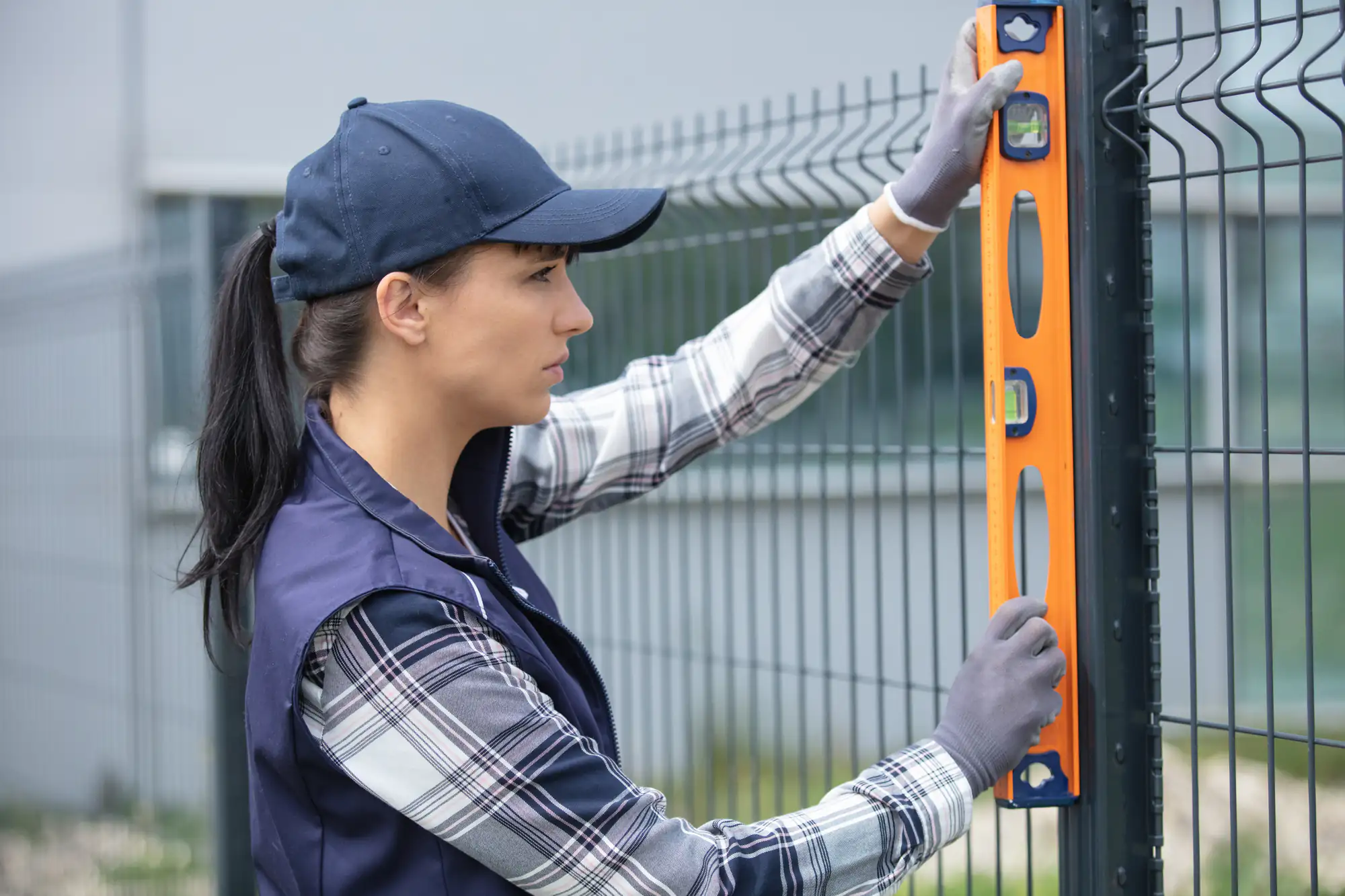
As a local crew rooted right here in Centereach, the same familiar faces you meet on day one will be the ones building your fence. You will never be pushed off to an out-of-state customer service desk when you need a quick update on your project. From that initial handshake at your free estimate to the final walkthrough, we promise clear communication and a spotless yard.
We know finding a trustworthy contractor on Long Island can feel overwhelming, so we built our entire process around treating your property like our own. Our team handles the heavy lifting and frustrating red tape so you can sit back and look forward to your new outdoor space. When you partner with our local builders, here are the core standards we promise to deliver:
Frequently Asked
Long Island fence questions, answered.