
Fence Staining in Patchogue, NY
South Shore Air Is Hard on Wood We’re Not
Hear from Our Customers
Wood Fence Protection Patchogue NY
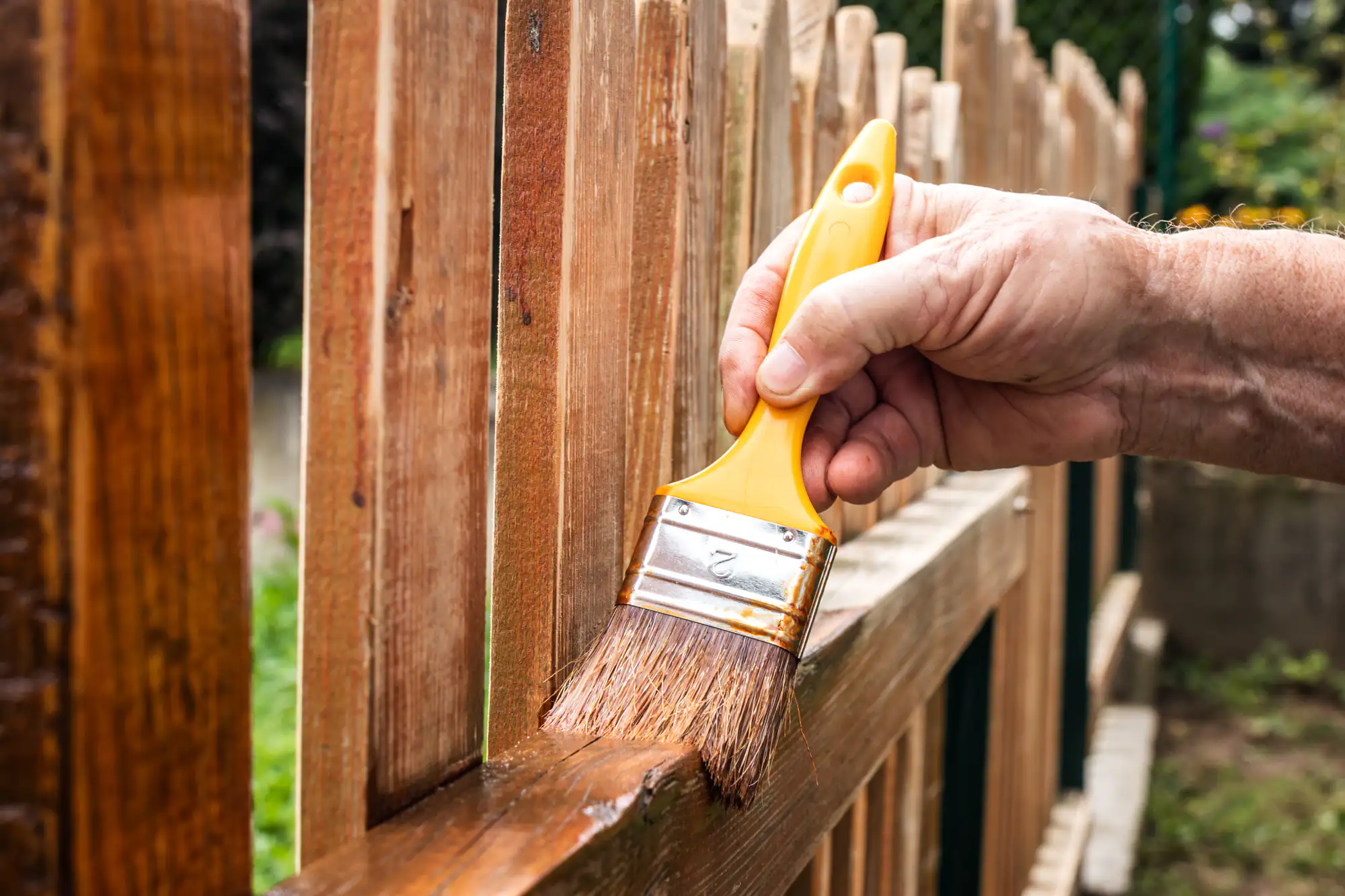
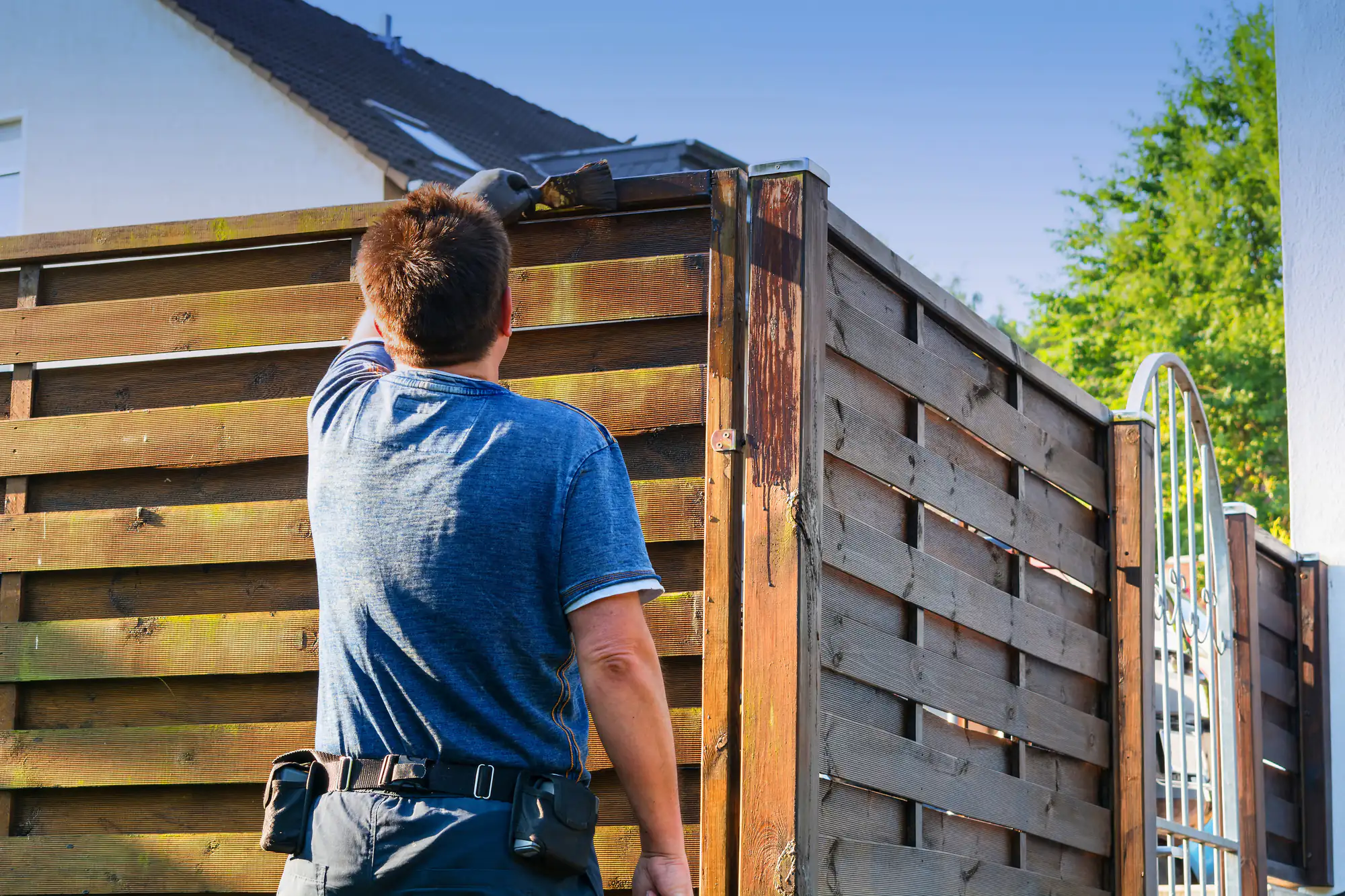
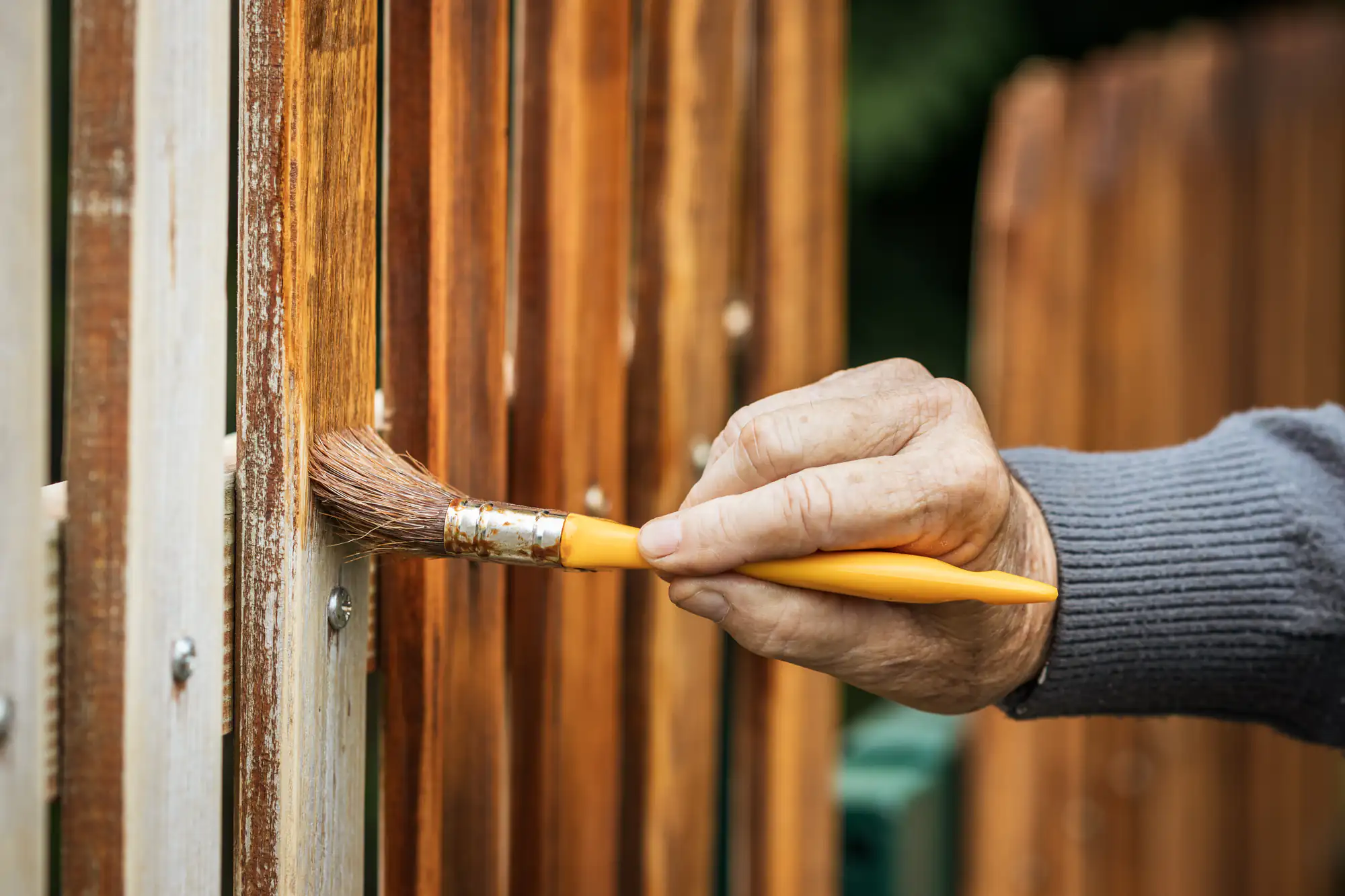
A stained fence isn’t just about looks. In Patchogue where salt air rolls off the bay, summers are humid, and winters cycle hard between freeze and thaw untreated wood doesn’t last. It grays out, cracks, and starts pulling away from posts faster than most homeowners expect. Staining seals the wood against all of it: moisture penetration, UV damage, and the kind of slow rot that turns a solid fence into a replacement project.
For properties south of Sunrise Highway, near the canals, or anywhere within a few blocks of Patchogue Bay, that timeline is even shorter. Marine humidity works into wood grain differently than regular weather does. A quality stain job done with the right prep and the right product can add years to your fence’s life and save you from a full replacement that runs several thousand dollars or more.
The math is straightforward. Professional staining in this area runs a fraction of what a new fence costs, and it extends the life of your existing structure by up to 30 percent. For homeowners in a market where values have climbed significantly and property taxes average over $10,000 a year, protecting what you already have is just good sense.
Fence Staining Company Patchogue NY
We’ve been working across Suffolk County for over 15 years. That means we’ve stained fences in Blue Point, East Patchogue, Bayport, and right through the heart of Patchogue village and we’ve watched what happens to wood that doesn’t get the right protection in a South Shore environment.
We’re not a franchise. We’re not a painting company that added fencing to the menu. Fences are what we do, which means when we assess your wood, recommend a stain, or flag a board that needs attention before we coat it, that advice comes from people who have spent a decade and a half doing exactly this on Long Island.
Every project starts with a real site visit not a phone estimate. We verify property lines, locate utilities, and look at the actual condition of your fence before we quote you anything. You get an itemized number that doesn’t change when we show up.
Fence Staining Process Patchogue NY
It starts with a site visit. We come out, look at your fence in person, verify your property lines, and assess the wood’s current condition whether it’s a brand new cedar install that needs to cure first, or an older pressure-treated fence that’s been through a few Patchogue winters and needs some prep work before anything goes on it.
From there, you get a written, itemized quote. Not a ballpark. Not “around this much depending on what we find.” A real number that breaks down the work so you know exactly what you’re paying for before we start.
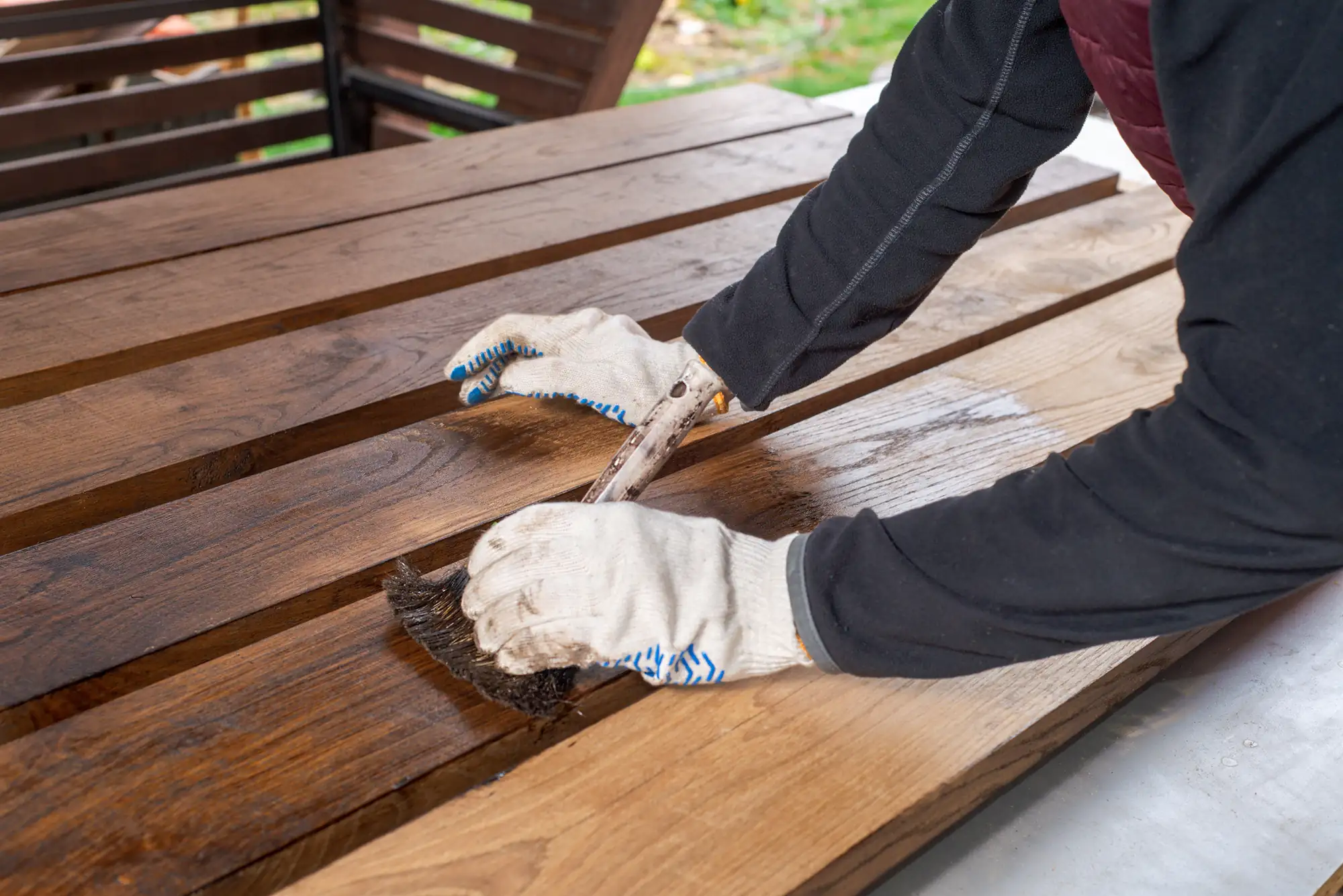
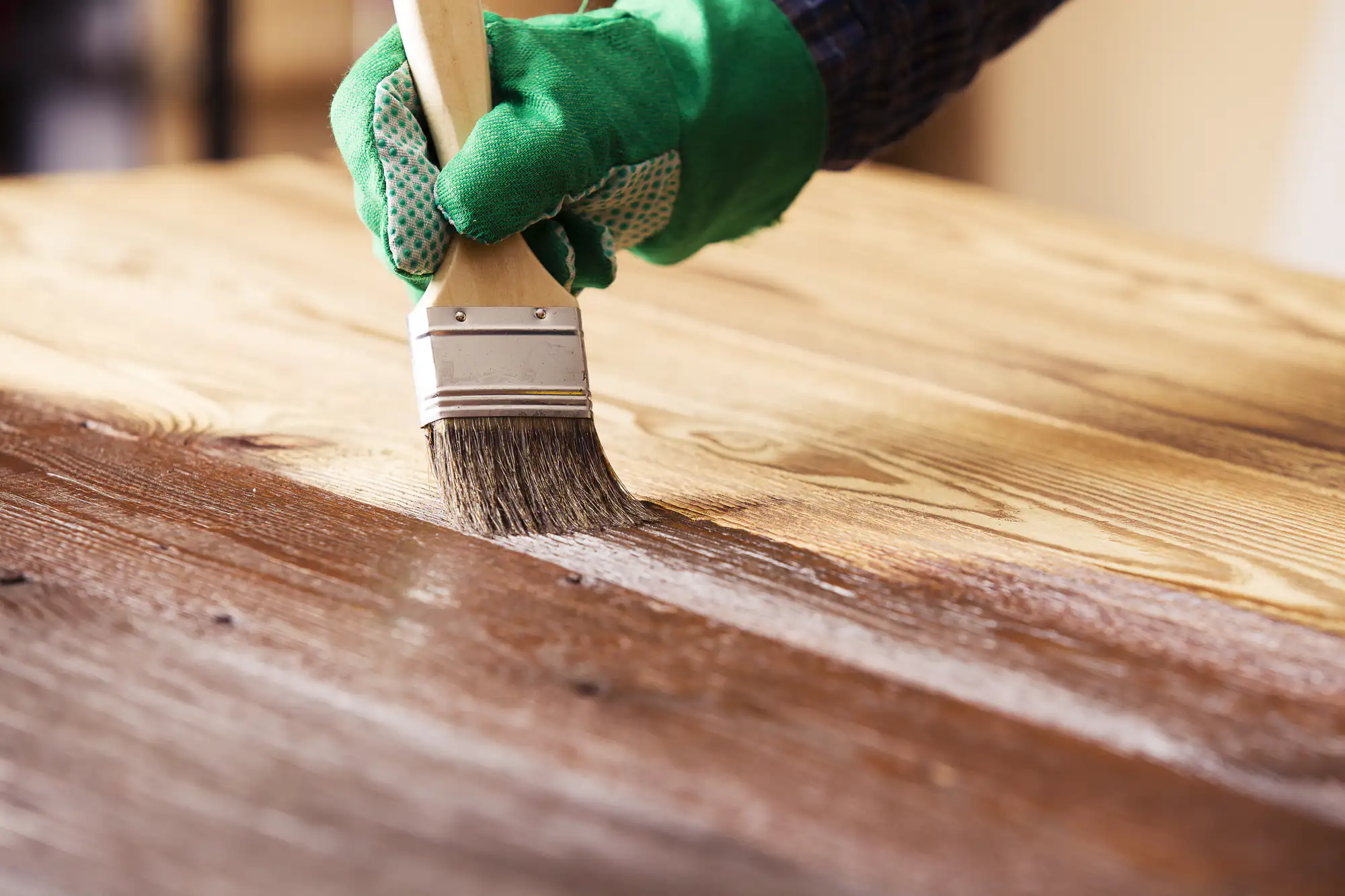
Once you’re ready to move forward, we handle the full prep process cleaning, brightening where needed, and making sure the wood is dry and ready to accept stain properly. Skipping prep is the number one reason stain fails early, especially in a coastal climate where wood holds moisture longer than it does inland. We stain both sides of the boards, which matters more than most people realize because moisture enters from both directions. When the job is done, your fence is protected, the cleanup is complete, and you’re not left wondering what was actually done or why.
Ready to get started?
Wood Fence Staining Services Patchogue NY
Fence staining in Patchogue isn’t a one-size-fits-all service, and we don’t treat it that way. The wood species, the fence’s age, its proximity to water, and the direction it faces all factor into what product we use and how we apply it. A cedar fence two blocks from Patchogue Bay has different needs than a pressure-treated fence on a north-facing lot in a more sheltered neighborhood and we account for that before we open a single can.
Every staining project includes a full surface assessment, proper cleaning and prep, professional-grade stain application on both sides of the fence boards, and a walkthrough when we’re done. Our warranty covers both the labor and the materials which is not standard in this industry. Most contractors cover one or the other, if anything. You get both.
We also handle storm and wind damage repair as part of our service scope, which matters in a village that sees regular coastal flood advisories and took a direct hit from Hurricane Sandy in 2012. If boards are compromised, posts are shifting, or panels took damage in a recent storm, we assess and address that before staining so you’re not sealing in a problem. All materials we use are American-made, and we follow environmentally responsible disposal practices throughout the job.
How often should I stain my wood fence near Patchogue Bay?
For most inland Long Island properties, the general recommendation is every three to five years. For properties in Patchogue especially those near the bay, the canals, or anywhere south of Sunrise Highway you’re looking at the shorter end of that range, and often closer to every two to three years.
The reason is straightforward. Salt air off the Great South Bay accelerates the breakdown of stain and wood finish faster than standard weather does. Add in the humidity that builds up along the shoreline in summer, the freeze-thaw cycling that hits wood hard through winter, and the UV exposure on south-facing panels, and you’ve got a combination that works against unprotected wood consistently. A quick annual visual check looking for graying, cracking, or water that no longer beads on the surface will tell you when it’s time to restain before the wood itself starts to suffer.
What’s the difference between fence staining and fence painting for a wood fence?
Stain penetrates into the wood fiber. Paint sits on top of it. That distinction matters a lot for outdoor fencing, especially in a coastal environment like Patchogue where wood is constantly expanding and contracting with temperature and humidity changes.
Paint forms a surface film that can crack, peel, and trap moisture beneath it which is exactly what you don’t want when your fence is exposed to Great South Bay humidity and repeated freeze-thaw cycles. Stain moves with the wood, doesn’t peel, and allows moisture to escape rather than getting locked in. It also tends to be easier to maintain over time you’re not scraping and sanding failed paint before every new coat. For wood fences on Long Island’s South Shore, stain is almost always the better long-term choice.
Can a weathered, gray wood fence actually be restored with staining?
In most cases, yes but it depends on how far gone the wood is. Graying is a surface condition caused by UV exposure and oxidation, not structural damage. A proper cleaning with a wood brightener can reverse a significant amount of that graying and open up the wood grain so stain can penetrate effectively. The result won’t look like new lumber, but it will look substantially better and, more importantly, the wood will be protected going forward.
Where it gets more complicated is when the wood has started to crack, split, or show signs of rot which happens faster in Patchogue’s coastal climate than it does in drier, inland communities. If boards are soft, splintering badly, or structurally compromised, staining over them doesn’t fix the underlying issue. We assess that during our site visit and flag any boards that need replacement before we stain. You’ll know what you’re dealing with before any work begins.
How long does fence staining take, and do I need to be home during the job?
For a typical residential fence in Patchogue say, 150 to 200 linear feet of wood privacy fencing the job usually takes one full day, sometimes two if the prep work is more involved or if the wood needs additional drying time before stain goes on. Larger properties or fences in rougher condition may take longer, and we’ll give you a realistic timeframe when we quote the job.
You don’t need to be home while we work, but we do ask that someone is available for the initial site visit so we can walk the property together, confirm the scope, and answer any questions you have before we start. After that, we handle the rest. We’ll let you know when the job is complete and walk you through what was done. If anything came up during the project a board that needed attention, a post that had shifted you’ll hear about it, not find out later.
When is the best time of year to stain a fence in Patchogue?
Late spring and early fall are the sweet spots. In Patchogue, that typically means May through early June, or September through October. You want temperatures between roughly 50 and 80 degrees with moderate humidity conditions that let the stain penetrate properly and cure without issue.
Summer staining isn’t impossible, but Patchogue’s coastal humidity in July and August can slow the curing process and, in some cases, prevent the stain from bonding correctly to the wood surface. Early spring can also be tricky if the wood is still holding winter moisture. If you had a new fence installed in spring or summer, there’s also a waiting period before the first stain pressure-treated lumber needs time to dry out, sometimes several months, before it will accept stain at all. We’ll assess the wood’s readiness during our site visit and tell you exactly where things stand rather than staining before the wood is ready and calling it done.
Does Best Fence Long Island handle fence repair and staining together after storm damage?
Yes, and for Patchogue homeowners, that combination comes up more than it does in most other parts of Suffolk County. The village sits directly on the Great South Bay, and coastal storms northeasters, tropical remnants, and the kind of sustained wind events that produce coastal flood advisories for the bay regularly knock down panels, shift posts, and split boards throughout the South Shore. Hurricane Sandy in 2012 was the most significant example, but it’s not a one-time event. Storm damage to fencing is a recurring reality here.
When you call us after a storm, we come out, assess the structural damage first, and handle any necessary repairs before a single drop of stain goes on the fence. Staining over compromised wood or damaged posts doesn’t protect anything it just covers up a problem that will cost more to fix later. We document the damage clearly, which also helps if you’re filing an insurance claim. Once the fence is structurally sound, we complete the staining so you’re not left with repaired sections that look patched and unfinished. It’s one visit, one crew, one job done right.
Useful Links
Other Services we provide in Patchogue