Fence Staining in Port Jefferson, NY
Harbor Air Is Hard on Wood. We Know How to Fight It.
Hear from Our Customers
Wood Fence Protection Port Jefferson
There’s a difference between a fence that looks good in photos and one that holds up through a North Shore winter, a nor’easter off the Sound, and three years of salt-laden air working its way into the grain. In Port Jefferson, that difference is everything.
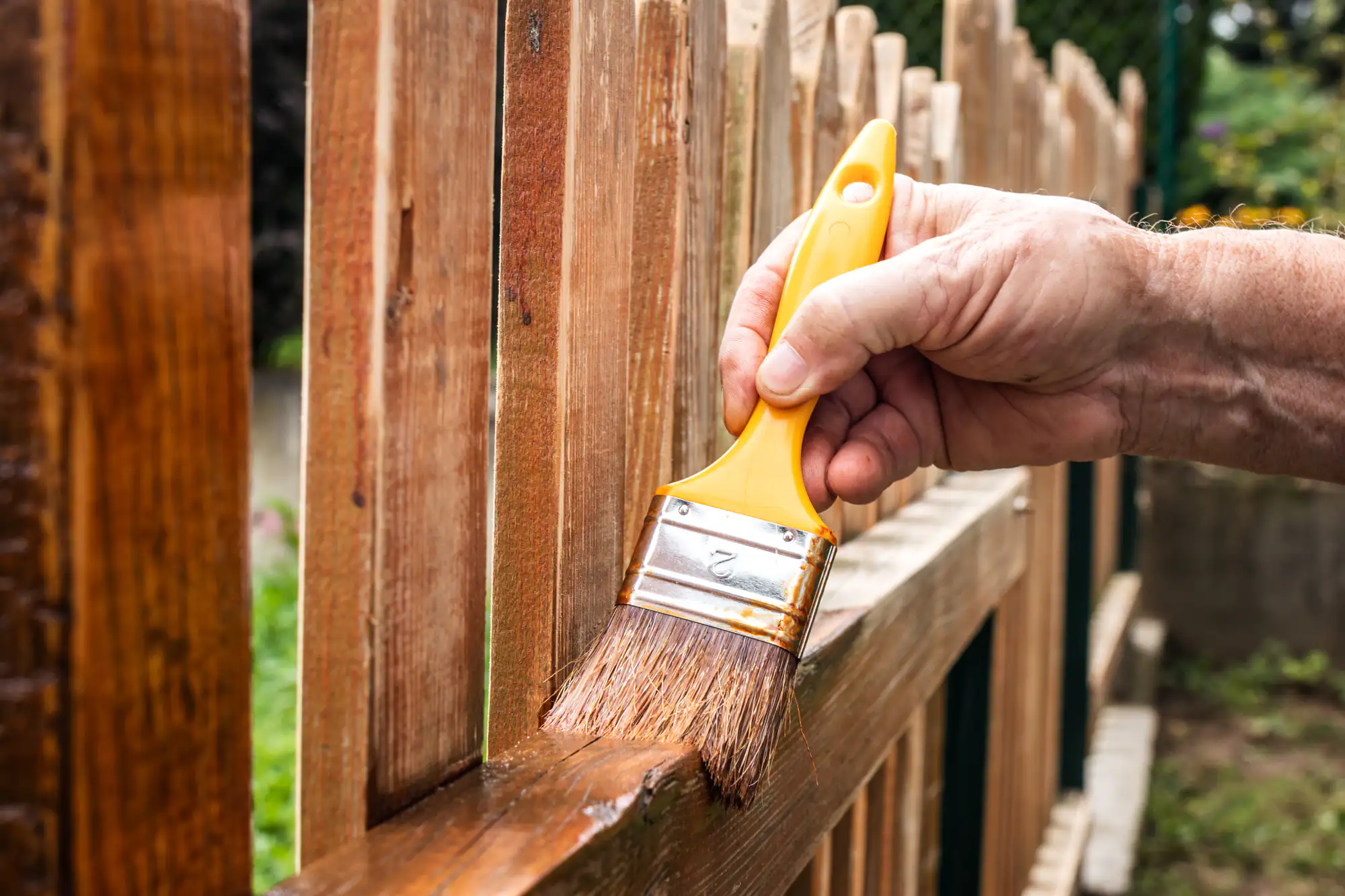
When wood goes untreated especially on the bluffs in Harbor Hills or the hillside neighborhoods above the harbor it doesn’t just gray out. It checks, splits, and starts absorbing moisture at a rate that moves the problem from cosmetic to structural faster than most homeowners expect. The marine humidity here doesn’t take a season off. Neither does UV exposure off open water. And once the grain opens up, the damage compounds with every wet-dry cycle the wind puts it through.
A properly stained fence slows all of that down. It seals the grain, repels moisture, and keeps the wood stable through the freeze-thaw cycles that run from November through March on Long Island. For homeowners in Port Jefferson, where the median sale price recently crossed $847,000, it also protects something more immediate: the first impression your property makes. A weathered fence in this community doesn’t go unnoticed not by neighbors, not by buyers, and not by appraisers.
Fence Staining Company Port Jefferson NY
Best Fence Long Island has been doing this work across Port Jefferson and Suffolk County for over 15 years. That means we’ve seen what the North Shore does to wood over time the salt air corrosion, the frost heaving, the storm damage that follows a hard August rain. We’re not a painting crew that added staining to the service menu. We’re a fence company, which means we know the wood, how it was installed, how deep the posts are set, and what it’s been through before we ever open a can of stain.
We serve Port Jefferson and the surrounding area from the residential neighborhoods above the harbor to communities like Belle Terre and Old Field nearby. Every job starts with a site visit. We verify property lines, locate utilities, and assess the fence condition before we quote anything. In an incorporated village like Port Jefferson where the local Building Department actively enforces fence height and placement rules that step isn’t optional. It’s just how the job should be done.
Fence Staining Process Port Jefferson NY
It starts with a site visit to your Port Jefferson property. We walk the fence line, assess the wood condition, and check for anything that needs to be addressed before staining rot, loose boards, posts that moved over the winter. If your fence needs repair first, we handle that too. You shouldn’t have to coordinate two separate contractors for what is essentially one job.
Once we’ve assessed the fence, you get an itemized quote. Not a ballpark. A written estimate that breaks down lineal footage, materials, prep requirements, and labor so you know exactly what you’re paying for before we start. Timing matters here too. New pressure-treated lumber needs adequate drying time before stain can penetrate properly. Cedar typically needs five to seven weeks post-installation. We assess moisture content before scheduling the application, because staining wet wood traps moisture and causes the finish to fail early a mistake that costs more to fix than it saved upfront.
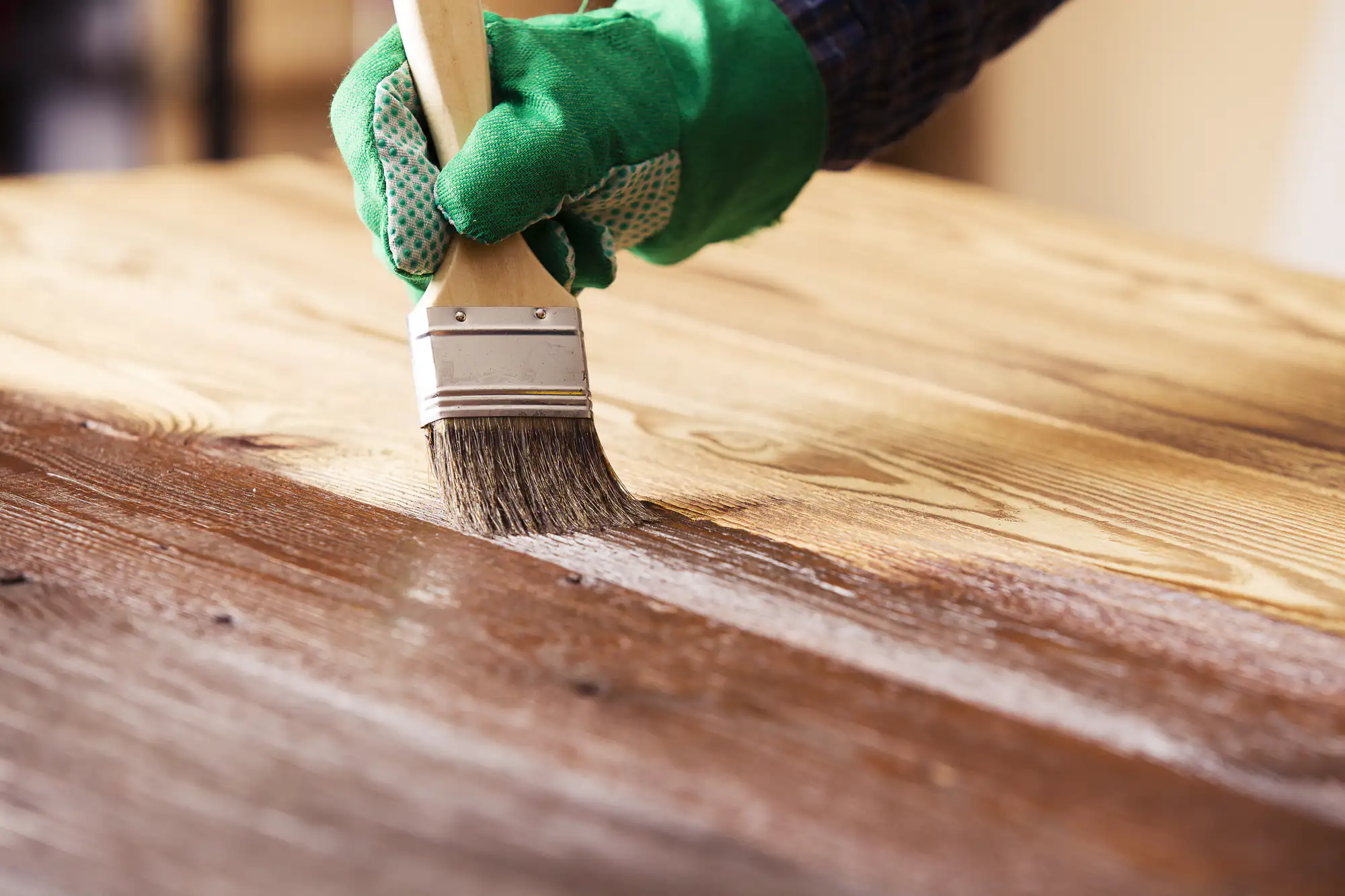
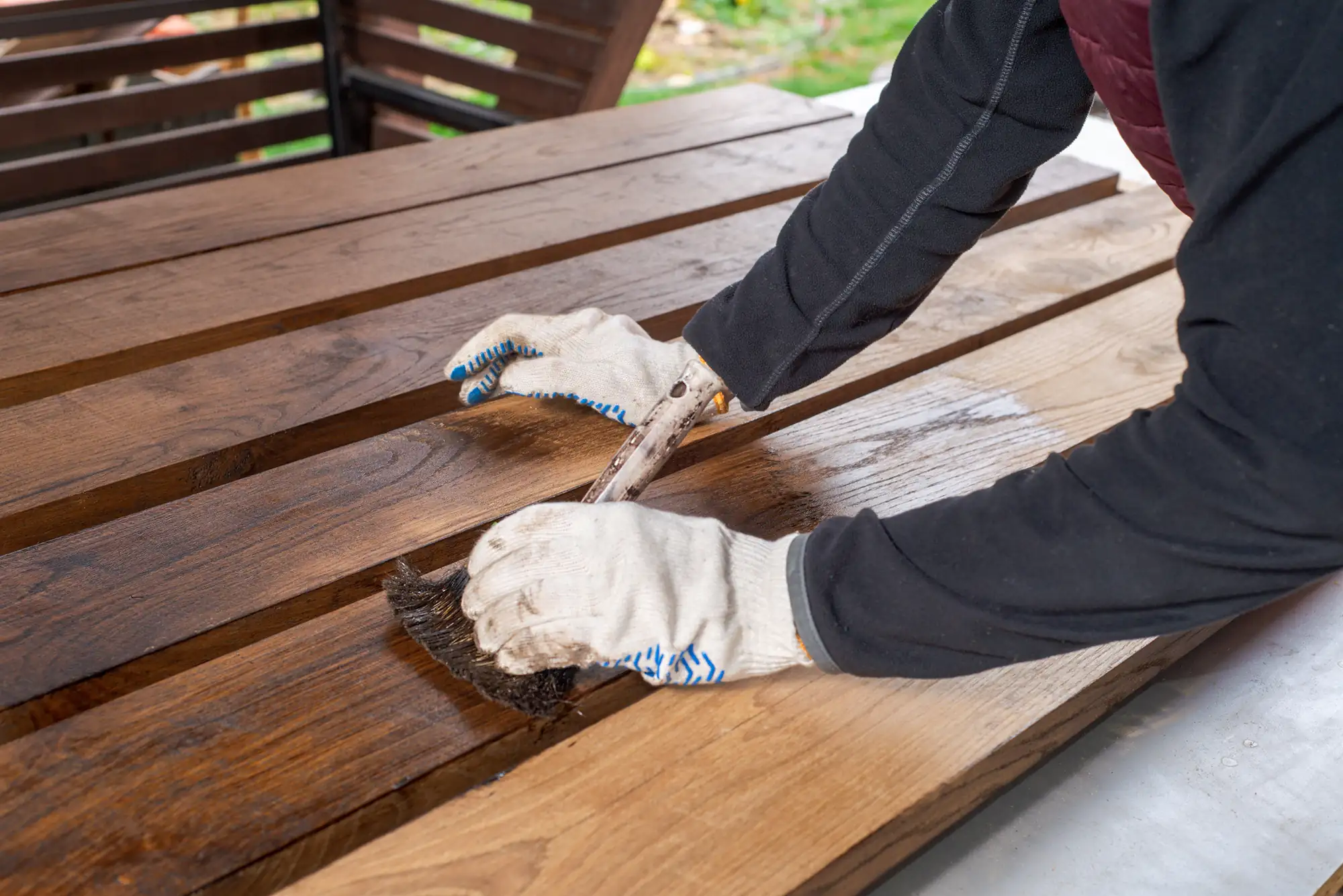
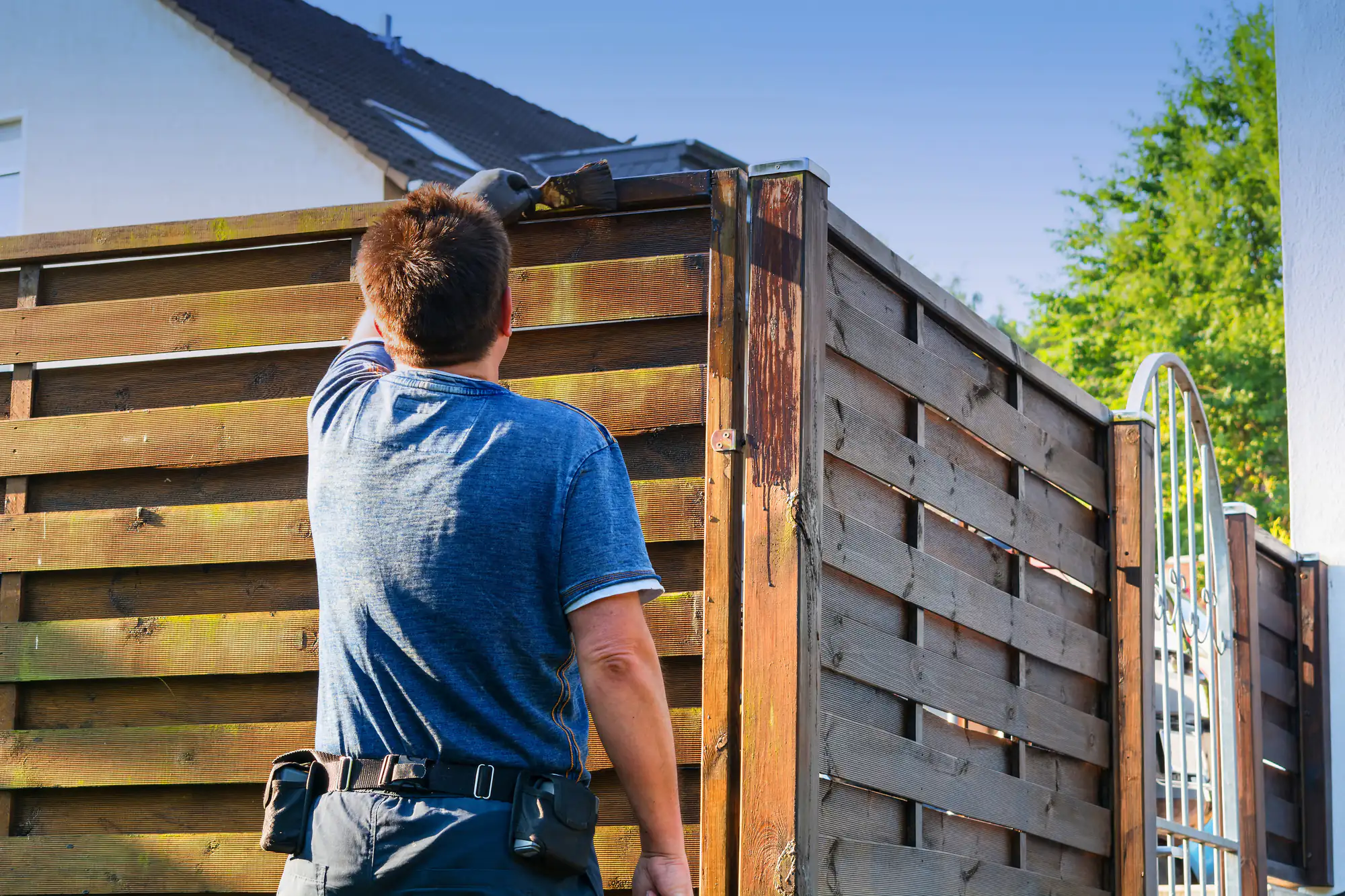
On the day of the job, we prep the surface, apply the stain to manufacturer spec, and clean up completely before we leave. Port Jefferson’s salt air environment means we recommend staining on the shorter end of the two-to-three-year cycle not because we want repeat business sooner, but because the conditions here genuinely demand it.
Ready to get started?
Wood Fence Staining Services Port Jefferson
Every fence staining job with us starts before the stain is ever applied. The site visit, property line verification, and utility locating are built into the process not add-ons. Port Jefferson is an incorporated village with its own zoning code, and front yard fences are capped at three feet under Village Code §250-28C. If your project involves any repair or modification alongside the staining, we’ll flag what requires a permit through the Village of Port Jefferson Building Department before any work begins. That’s the kind of thing a general painter won’t catch.
We work with cedar, pressure-treated lumber, and other common wood species found throughout Port Jefferson’s housing stock much of it built in the 1960s and 70s, with some properties dating back to before the 1940s. Older wood has different absorption characteristics and often needs more prep work to stain correctly. We account for that in the quote, not after the fact.
Our stain selection is matched to the conditions your fence actually faces coastal UV exposure, salt air, and the moisture cycling that comes with living near the water. All materials we use are American-made. The job is backed by a written warranty covering both labor and materials, which is not something most staining providers painting franchises included offer across the board. If something fails prematurely due to application error or a material defect, you’re covered on both ends.
How does salt air near Port Jefferson’s harbor affect a wood fence over time?
Salt air is one of the more aggressive and underappreciated threats to wood fences on the North Shore. The chloride that travels inland from Long Island Sound deposits on wood surfaces and accelerates moisture absorption meaning the wood takes on water faster, holds it longer, and dries unevenly. That repeated wet-dry cycle causes the grain to open up over time, which lets water penetrate deeper into the wood with each storm or humid stretch.
For homeowners in Port Jefferson neighborhoods like Harbor Hills or on the bluffs near Belle Terre, where wind exposure off the Sound is more direct, this process moves faster than it does for properties farther inland. An untreated fence in those locations can show visible checking and splitting within two to three seasons. A properly stained fence with a penetrating stain that seals the grain rather than sitting on top of it significantly slows that process. It’s also why we recommend staining on a shorter cycle here than we might suggest for a fence in a more sheltered inland location.
How much does professional fence staining typically cost on Long Island?
Fence staining cost depends on a few straightforward variables: the total lineal footage of your fence, the wood species and its current condition, how much prep work is needed before the stain goes on, and the type of stain being applied. A fence that’s been neglected for several seasons may need cleaning, light sanding, or minor repairs before staining and that affects the overall price.
When you get a quote from us, it’s itemized you’ll see the breakdown of footage, materials, and labor rather than a single number with no explanation behind it. That transparency matters, especially in a market like Port Jefferson where home service projects routinely involve significant investment. You should know exactly what you’re paying for before anyone picks up a brush.
Do I need a permit to stain my fence in Port Jefferson Village?
Staining alone doesn’t require a permit it’s a maintenance service, not a structural modification. But if you’re having repair work done at the same time, or if any part of the fence is being replaced or altered, that’s where it gets more specific. Port Jefferson is an incorporated village with its own Building Department, which means permit and zoning questions go through the village directly not through Brookhaven Town, as they would for unincorporated hamlets nearby.
The village also enforces specific fence height rules. Front yard fences are capped at three feet under the village code, and anything exceeding six and a half feet is subject to building requirements. If you’re not sure whether your fence is compliant especially if it was installed by a previous owner our site visit is a good opportunity to flag anything that could become a code enforcement issue before we start work. We’d rather surface that conversation upfront than have you deal with it later.
How soon after a new fence installation should I stain it in Port Jefferson?
The timing depends on what the fence is made of. Cedar and other naturally dry wood species typically need five to seven weeks after installation before they’re ready for stain enough time for the wood to acclimate and any surface moisture from the installation process to clear out. Pressure-treated lumber takes longer. The preservative treatment that makes it rot-resistant also traps moisture in the wood, and staining before it’s fully dried means the stain can’t penetrate properly. Depending on the season and conditions, pressure-treated wood may need several months before it’s ready.
In Port Jefferson specifically, the humidity off Long Island Sound can extend drying times compared to inland locations. We always assess moisture content before scheduling a stain application it’s not something we estimate by calendar date alone. Staining too early is one of the most common reasons fence finishes fail within the first season, and it’s entirely avoidable with the right assessment upfront.
My fence was damaged in a storm can you handle the repair and staining together?
Yes, and honestly, that’s the better way to do it. Port Jefferson has had some real storm events in recent years the August 2024 flooding that required fire department rescues within the village was a reminder that this isn’t a theoretical risk. Nor’easters off Long Island Sound are a recurring seasonal reality, and the mature tree canopy throughout the residential neighborhoods means fallen limbs and downed sections are a common outcome after a hard storm.
When you’re dealing with damage, the last thing you want is to coordinate a fence repair contractor and a separate staining crew on two different schedules. We handle both. We assess the structural damage, complete the repair, and then stain the fence including any new wood so the finished result is consistent and protected going into the next season. Our storm and vehicle damage repair coverage is built into what we do, not a separate service you have to request.
How often should I stain my wood fence in a coastal town like Port Jefferson?
The general recommendation for wood fence staining is every two to three years, but that range assumes average environmental conditions. Port Jefferson is not an average environment. The combination of salt air off Long Island Sound, direct wind exposure on the elevated neighborhoods above the harbor, summer humidity, and hard freeze-thaw cycles from November through March puts more stress on exterior wood than most inland Suffolk County locations experience.
For fences in areas with direct harbor exposure or on elevated, wind-facing lots Harbor Hills, the Belle Terre bluffs, properties along the North Country Road corridor we’d lean toward the two-year end of that cycle rather than three. A quick visual check each spring after the frost season is a reliable indicator: if the wood has lost its color, if water is absorbing into the surface rather than beading off, or if you can see the grain starting to open, it’s time. Catching it at that point is far less expensive than waiting until the wood starts to check or split.
Useful Links
Other Services we provide in Port Jefferson