
Fence Staining in Bayport, NY
Salt Air Eats Fences Here’s How to Stop It
Hear from Our Customers
Wood Fence Protection Bayport NY
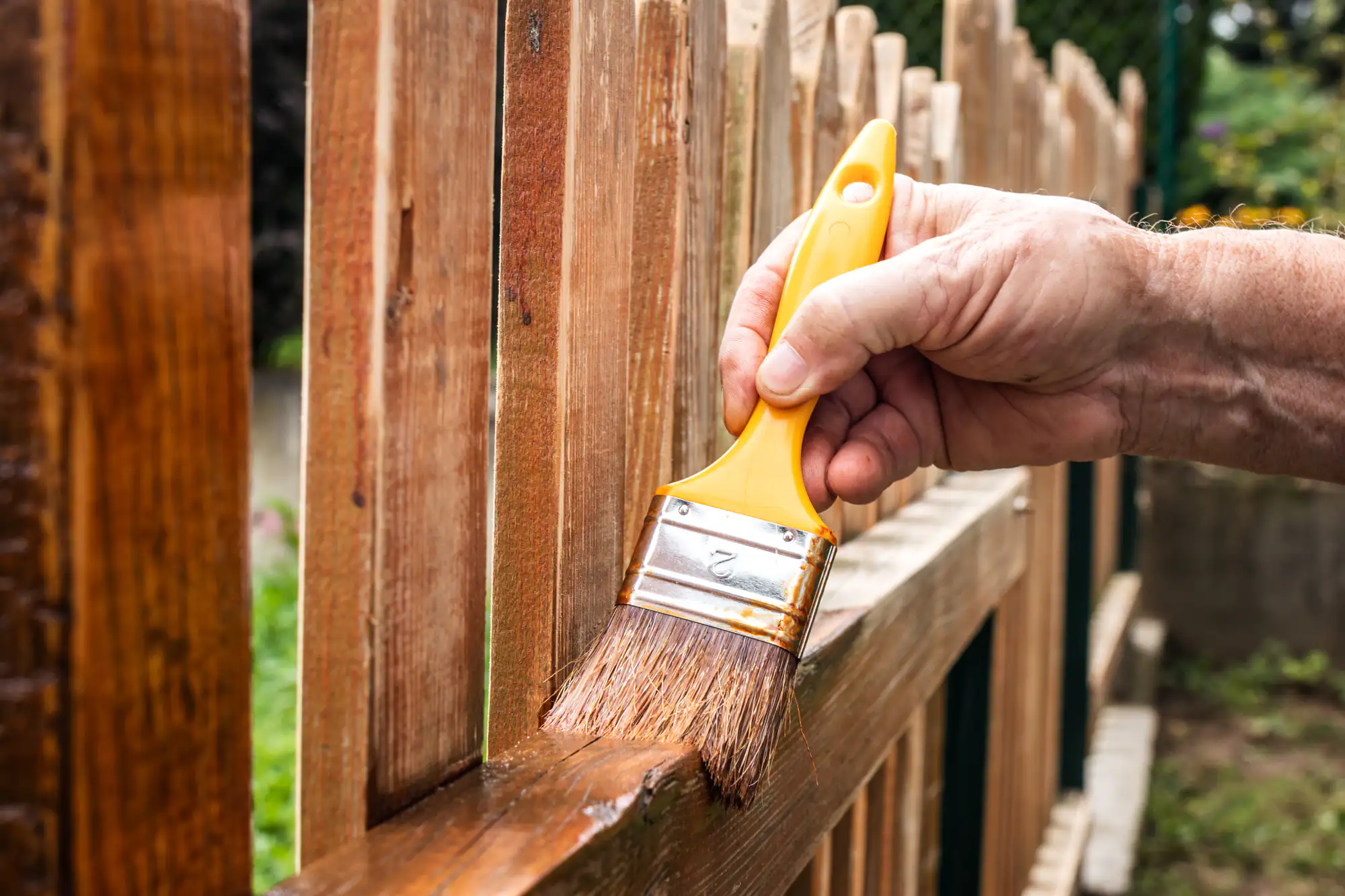
A stained fence isn’t just about looks. It’s a barrier between your wood and everything that wants to break it down and in Bayport, that list is longer than most. Salt aerosol off the Great South Bay deposits on exterior wood surfaces and draws moisture deep into the grain. That’s what starts the graying, the cracking, and the checking that signals your fence is already behind on maintenance.
Homes south of Middle Road the older Victorians and Dutch Colonials sitting on larger lots with bay-facing fence lines feel this harder than anywhere else in the hamlet. But the whole community deals with it. Coastal humidity, summer UV, and freeze-thaw cycles in the winter all compound what the salt air starts. A properly applied stain creates a sealed surface that resists all of it, not just one of them.
The practical outcome is simple: a fence that’s stained on a regular cycle lasts significantly longer than one that isn’t. You’re looking at potentially 30% more service life out of the same structure. For a home worth what Bayport homes are worth, that math is straightforward. Staining is maintenance. Skipping it is how you end up replacing a fence that had years left in it.
Fence Staining Company Bayport NY
We’ve been working across Suffolk County for over 15 years, and that means we’ve seen what multiple storm seasons, multiple nor’easters, and years of Great South Bay weather actually do to wood fences in Bayport and the surrounding communities. We know what holds and what doesn’t.
We’re a fence company first. That distinction matters when you’re hiring someone to stain your fence. We understand wood species behavior, how coastal conditions affect grain, and how to assess whether a fence needs staining, structural repair, or both before a brush ever gets loaded. The painting contractors currently serving this market don’t bring that to the table.
Every project starts with a professional site visit property line verification included. We give you an itemized quote that spells out exactly what you’re getting: lineal footage, materials, labor. No vague estimates, no surprises when the invoice arrives. That’s how we’ve kept customers coming back across the Town of Islip for a decade and a half.
Fence Staining Process Bayport NY
It starts with a site visit. We come out to your property, walk the fence line, verify property boundaries, and assess the wood’s current condition. This step isn’t optional it’s how we make sure the quote we give you is accurate and that any structural issues get caught before they become bigger problems. In Bayport, where some of the older properties near the water have complex lot lines and decades-old fence installations, that assessment matters more than most people realize.
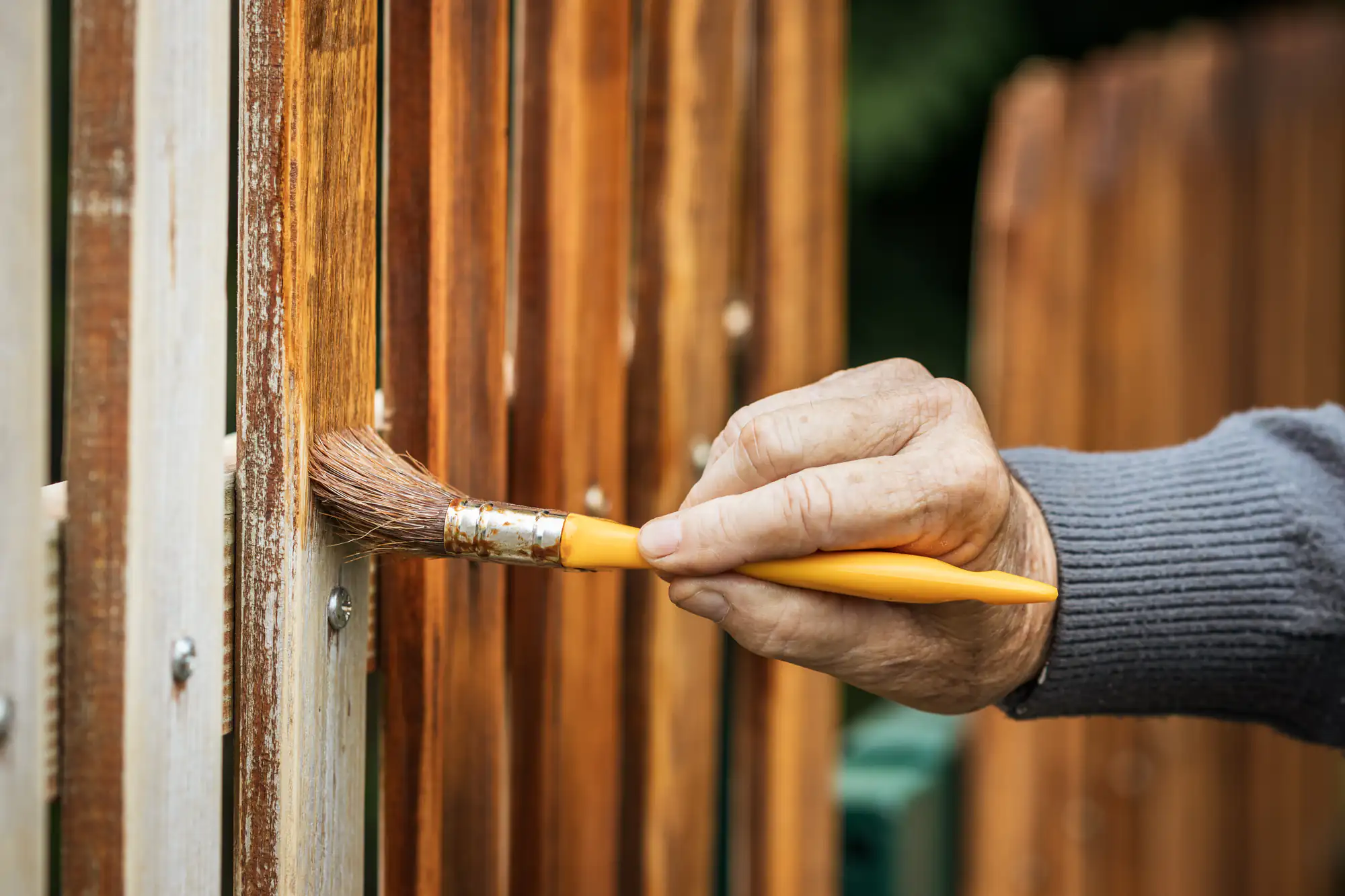
From there, surface preparation is the job. This is where most staining failures start skipping or rushing the prep. We clean the wood, treat for mildew or mold where present, and confirm moisture content before any stain goes on. Applying stain to dirty or wet wood traps contamination under the finish and leads to peeling within a season. That’s not a shortcut we take, regardless of schedule pressure.
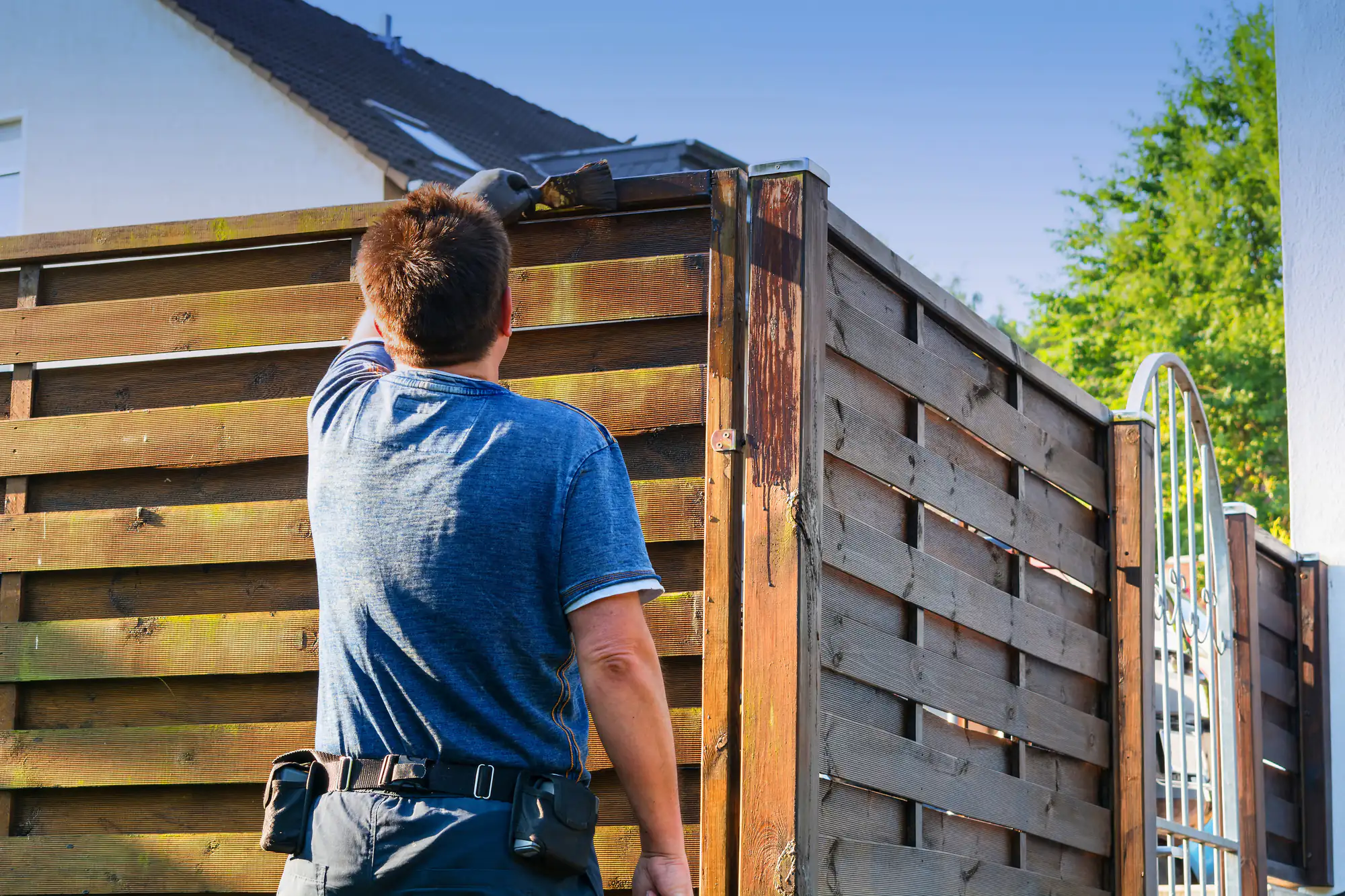
Once the surface is ready, we apply the stain and let it cure properly. Timing matters here spring and early fall are the optimal windows in Bayport’s climate, when temperatures and humidity are in the right range for the stain to penetrate and bond correctly. If your fence took storm damage and needs structural repair alongside the staining, we handle both in the same engagement. One crew, one scope, one invoice.

Ready to get started?
Professional Fence Staining Services Bayport
Fence staining with Best Fence Long Island covers the full scope surface prep, stain application, and a warranty on both the workmanship and the materials. That dual coverage is something most competitors in the Bayport area don’t offer. General painting contractors typically carry a limited workmanship warranty at best. We cover both sides because we stand behind the full result, not just the labor portion of it.
All materials we use are American-made. For a community that takes as much pride in its properties as Bayport does the kind of place where volunteers maintain the street lamps and homeowners have lived on the same block for decades that standard matters. We also handle storm and vehicle damage repair as part of our service scope, which is directly relevant here. After a nor’easter or a flooding event like what hit Nassau and Suffolk counties in August 2024, Bayport homeowners often need structural fence repair and surface protection addressed together. We do both.
It’s worth noting that fence staining itself doesn’t require a permit under the Town of Islip’s fence code. If your project involves structural repair or modification alongside the staining replacing posts, altering fence height those elements need to comply with Chapter 68 of the Town Code, and our site visit process accounts for that. You won’t find out after the fact that something was done out of compliance.
How often should I stain my wood fence near Bayport’s waterfront?
For most wood fences in Bayport, a 2-to-3-year staining cycle is the right target and if your fence is south of Middle Road with direct exposure to the Great South Bay, you’ll want to lean toward the shorter end of that range. Salt air accelerates wood degradation in a way that UV and freeze-thaw alone don’t. The salt deposits on the surface, draws moisture into the grain, and breaks down unprotected wood faster than most homeowners expect.
The honest answer is that the right interval also depends on the wood species, the stain product used, and how well the previous application was prepped and applied. A fence that was professionally cleaned and stained with a quality penetrating stain will hold significantly longer than one that had stain brushed over a dirty or wet surface. If your fence is starting to show gray, surface cracking, or a chalky appearance, those are signs the current coat is spent and the sooner you address it, the better the next application will penetrate and bond.
What’s the difference between fence staining and fence painting for wood fences?
Stain penetrates the wood it soaks into the grain and protects from the inside out. Paint sits on top of the surface and forms a film. That distinction matters a lot in a coastal environment like Bayport, where moisture is constantly trying to get into the wood from multiple directions. When paint traps moisture underneath it, you get peeling, bubbling, and eventual wood rot. Stain doesn’t trap moisture the same way because it’s part of the wood rather than a coating over it.
For most wood fences on Long Island’s South Shore, stain is the better long-term choice. It’s easier to maintain, it handles the expansion and contraction of wood through seasonal temperature swings more gracefully, and when it’s time to reapply, you don’t have to strip a failed paint film first. Paint has its place on certain decorative fence styles or in specific applications but for a standard wood privacy or picket fence dealing with Great South Bay humidity and salt air, stain is the more practical and durable option.
Can I stain my fence myself, or is it worth hiring a professional?
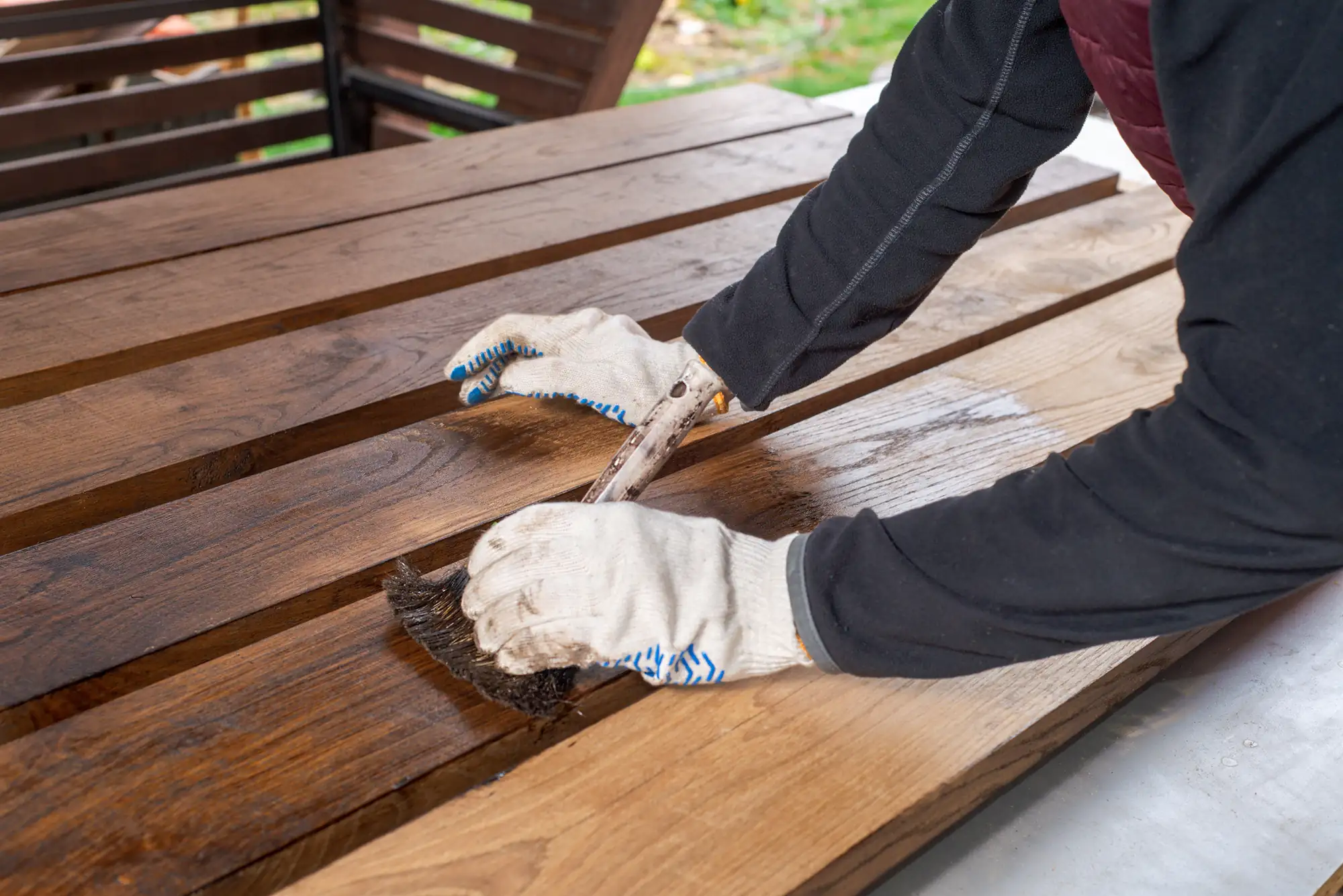
You can stain a fence yourself, and plenty of people do. The honest question is whether you’ll get the prep right because that’s where the job either succeeds or fails. Surface preparation accounts for the majority of how long a stain job lasts. That means cleaning the wood thoroughly, treating for mildew if it’s present, and confirming the wood is dry enough before any stain goes on. Most DIY failures trace back to skipping or rushing one of those steps, not to the stain product itself.
In Bayport specifically, the coastal conditions add complexity. Salt deposits on the wood surface need to be addressed before staining, not stained over. Mold and mildew growth which is common on wood fences in high-humidity coastal environments requires proper treatment, not just a rinse. If you have the time, the equipment, and the patience to do the prep correctly, DIY is a reasonable option for a straightforward fence. If the fence has structural issues, significant weathering, or storm damage that needs assessment alongside the staining, that’s where professional help earns its cost.
Does fence staining require a permit in the Town of Islip?
No fence staining is a maintenance activity, and it doesn’t require a permit under the Town of Islip’s fence regulations. You can stain an existing fence without any permit filing or approval process.
Where permits become relevant is if your staining project involves structural changes to the fence at the same time replacing posts, adding new sections, changing the fence height, or modifying the fence line. Those modifications need to comply with Chapter 68 of the Town of Islip Code, which sets maximum fence heights at 6 feet for front and side yards and up to 8 feet in rear yards, with specific rules for corner lots and sight triangles. If you’re on a corner lot near Montauk Highway or one of the residential streets closer to the bay, the sight triangle and height rules are worth understanding before any structural work starts. Our site visit process includes a review of these factors so you’re not caught off guard after the work is done.
My fence was damaged in a storm should I repair it before or after staining?
Repair first, always. Staining over a structurally compromised fence doesn’t protect it it just covers up the problem temporarily. If posts are shifted, boards are split, or sections are loose after a storm event, those issues need to be addressed before any surface treatment goes on. Staining a fence that’s still moving or has damaged wood will lead to premature stain failure because the surface isn’t stable enough for the product to bond and cure correctly.
The good news is that you don’t have to coordinate two separate contractors for this. We handle both structural fence repair and staining, which is directly relevant for Bayport homeowners who’ve dealt with storm damage from nor’easters or flooding events. After significant weather events in this area and the South Shore of the Town of Islip sees its share the combination of structural damage and stripped or compromised stain coatings is a common scenario. One crew assessing and addressing both sides of the problem is faster, more efficient, and gives you a single point of accountability for the finished result.
How much does professional fence staining cost in Bayport, NY?
Professional fence staining typically runs between $2 and $10 per linear foot for wood fences, with most complete residential jobs falling in the $1,400 to $2,200 range. Your actual cost in Bayport will depend on the size of your fence, the condition of the wood going in, whether any prep work beyond standard cleaning is needed, and the stain product specified for your fence type and exposure level.
For properties south of Middle Road with larger lot perimeters and bay-facing fence lines, the linear footage adds up quickly which is exactly why an itemized quote matters. When you can see the breakdown by lineal footage, materials, and labor, you understand what you’re paying for and can compare quotes accurately. A vague estimate that just gives you a total number doesn’t tell you whether you’re comparing the same scope of work. We give you the specifics upfront so there’s no guesswork on either side. If your fence needs structural repair alongside staining, that gets scoped and priced separately so you have a clear picture of the full project before any work begins.
Useful Links
Other Services we provide in Bayport