
Fence Staining in Central Islip, NY
Central Islip’s Postwar Fences Need Protection Before Next Winter
Hear from Our Customers

Wood Fence Protection Central Islip
Central Islip’s housing stock tells the story. Most of the homes here were built in the 1960s and early 1970s ranch houses, cape cods, split-levels on modest lots with wood fences that have been through decades of Long Island winters. Those fences aren’t failing because of bad wood. They’re failing because bare or neglected wood absorbs moisture, and every freeze-thaw cycle that follows splits fibers from the inside out. A penetrating stain seals that process off before it starts.
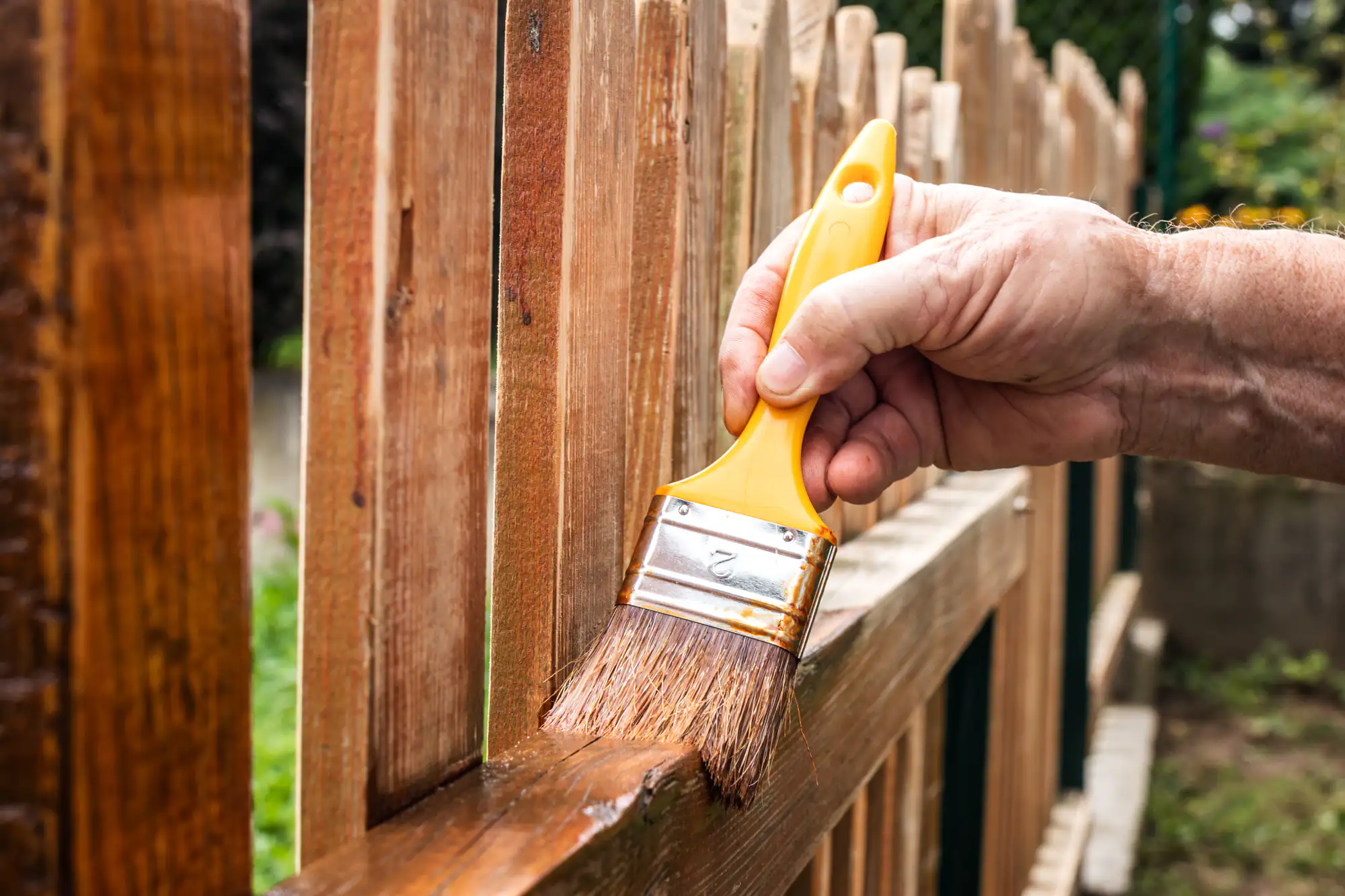
The gray, bleached look you see on older fences isn’t just cosmetic. UV exposure breaks down the lignin that holds wood together, and once that process gets going, the surface starts checking and cracking which opens more pathways for water and mold. A quality stain with UV inhibitors stops that cycle and keeps the wood structurally sound, not just better-looking.
With median home values in Central Islip approaching $475,000, a fence that’s visibly deteriorating is working against your investment, not with it. The math is straightforward: professional staining every two to three years costs a fraction of a full fence replacement. You protect what you’ve built here, and you don’t have to think about it again for years.
Fence Staining Company Central Islip NY
We’ve been working in Suffolk County for over 15 years, and we know Central Islip’s conditions from the ground up. We’ve maintained fences in your neighborhoods, through the same storm seasons, the same humid summers, and the same hard winters that your fence has been dealing with. We’re not learning Central Islip’s climate on your job we already know what holds up and what doesn’t.
Every quote we give is itemized. Lineal footage, post spacing, concrete volumes, labor all of it in writing before anything is scheduled. No vague estimates that shift when the invoice shows up. We also do a professional site visit before every job, which includes property line verification and utility locating. In a community as densely built as Central Islip, where lots sit close together and underground lines run through nearly every yard, that step isn’t optional it’s how we protect you from problems that have nothing to do with staining.
Our materials are made in America, our practices include material recycling, and every job is backed by a warranty that covers both labor and materials. That combination is rare in this market.
Fence Staining Process Central Islip NY
It starts with a site visit. We come out, walk the property, verify the fence lines, and locate any underground utilities before anything else happens. This matters in Central Islip specifically lots here are close together, and we want to know exactly where your property ends before we start any work near it. We also assess the fence itself: wood species, current condition, moisture content, and whether any sections need repair before staining would make sense.
From there, you get an itemized quote. Not a ballpark a written breakdown of exactly what the job covers and what it costs. Once you approve it, we schedule the work around the right conditions. Staining requires temperatures above 50°F and dry weather for proper penetration and curing, so we time the job accordingly. Late spring and early fall are the best windows on Long Island, though summer works fine when we’re not in direct high heat.
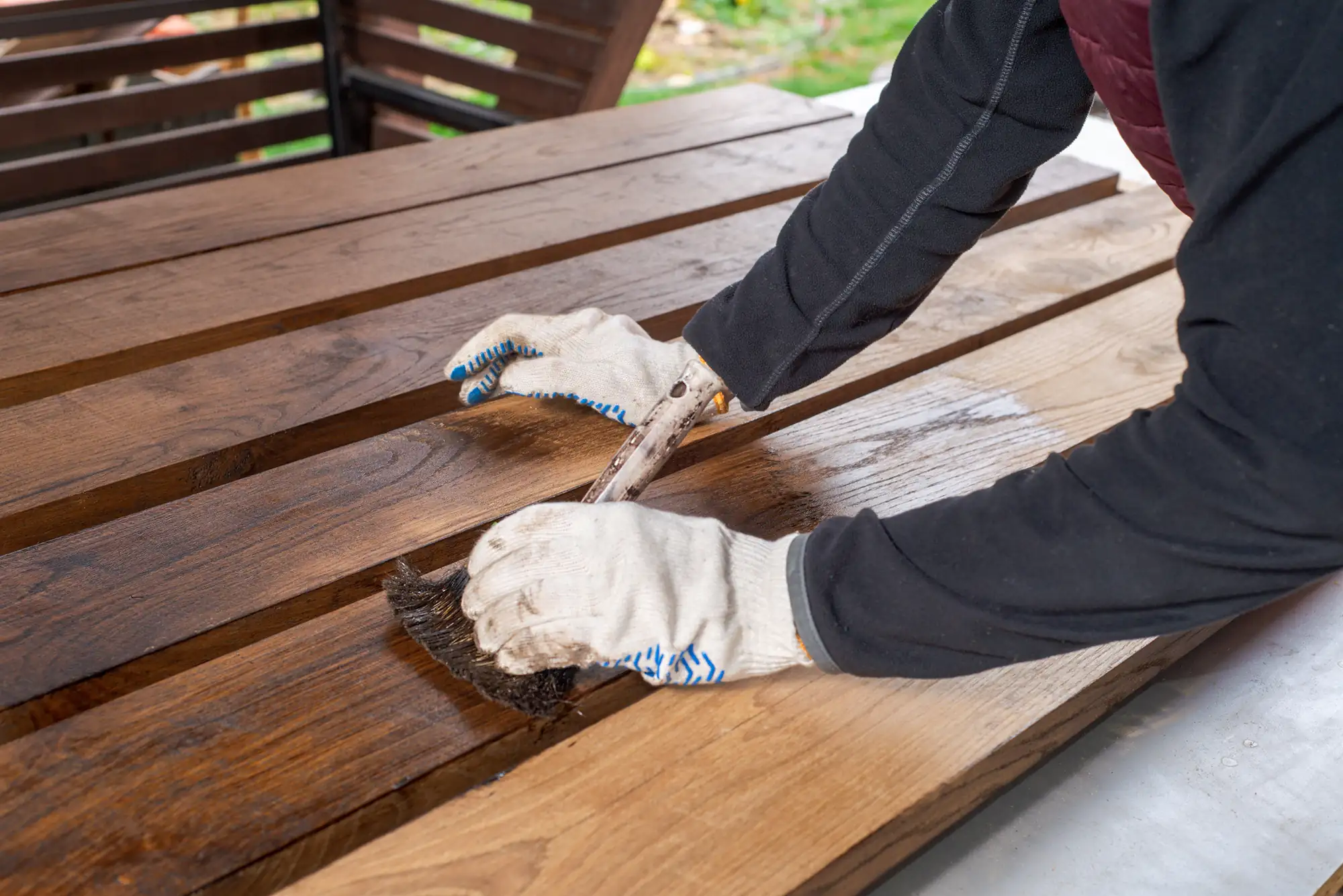
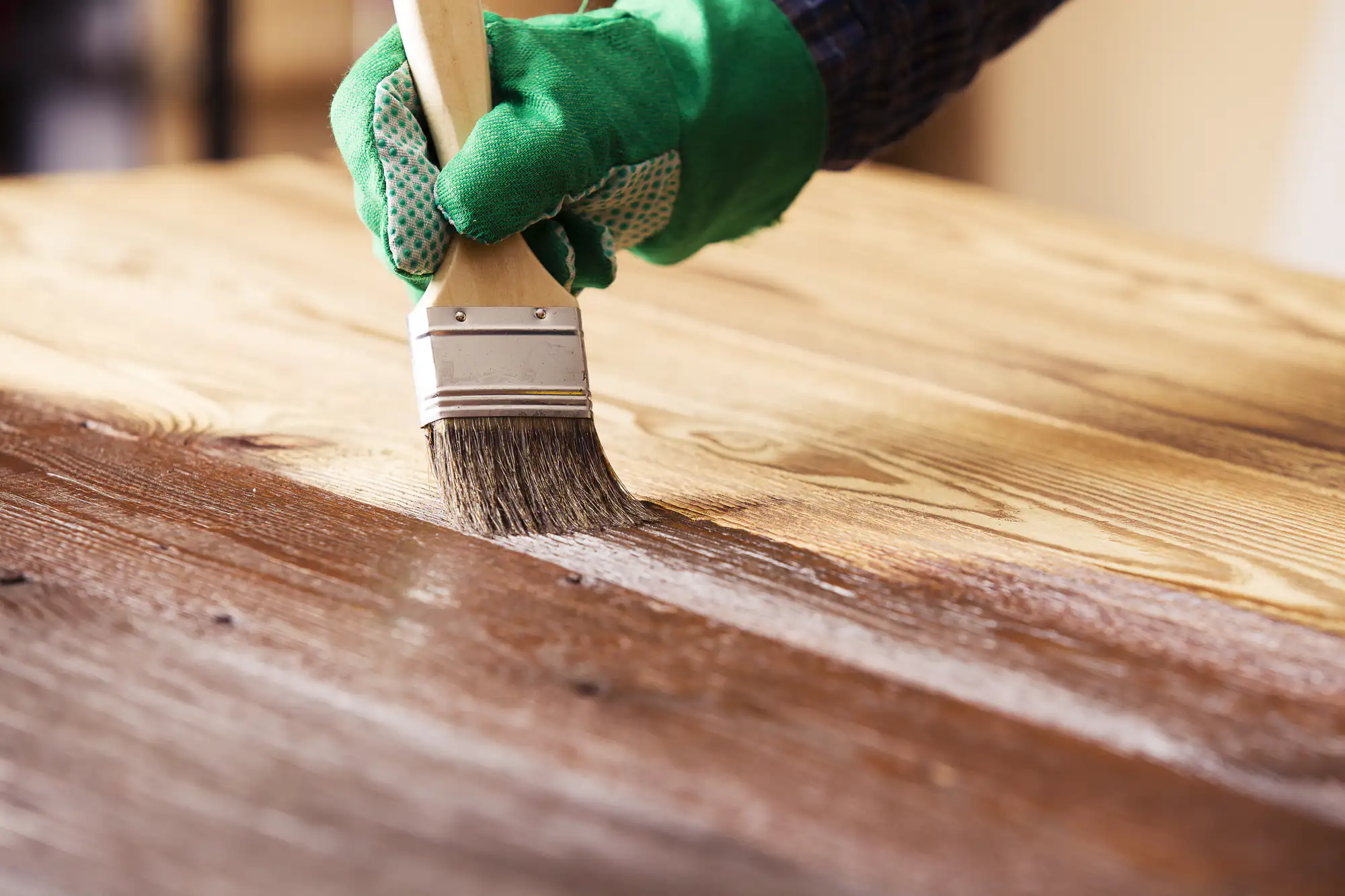
On the day of the job, we prep the surface first cleaning, brightening if needed, and letting the wood reach the right moisture level before any stain goes on. Prep is what separates a stain job that lasts from one that peels in a season. The stain goes on after, applied evenly and allowed to cure fully. When we leave, the fence is sealed, protected, and ready for whatever Central Islip’s next season brings.
Ready to get started?
Fence Staining Services Central Islip Suffolk County
Fence staining in Central Islip covers more ground than most people expect when they first call us. Yes, we handle the standard maintenance stain on a fence that’s graying and needs a refresh. But we also work on fences that have taken storm damage and in a community where wind events, nor’easters, and summer storm lines regularly send tree limbs into fences across the 11722 ZIP code, that’s not a rare situation. We offer storm and vehicle damage repair coverage, which means we can assess the damage, handle the structural repair, and re-stain the affected sections in one visit so the finish matches and the wood is protected going forward.
The Town of Islip does not require a permit for fence maintenance, so there’s no paperwork on your end. What we do require is that the fence is in a condition where staining will actually hold which is why the site visit and surface assessment happen before anything else. If a section needs repair first, we’ll tell you upfront and include it in the itemized quote.
We work with pressure-treated wood, cedar, and other common fence materials found throughout Central Islip’s established residential neighborhoods. American-made staining products, environmentally responsible application practices, and a dual warranty on both labor and materials are standard on every job not add-ons you have to ask for.
How often should I stain my wood fence in Central Islip, NY?
For most wood fences in Central Islip, every two to three years is the right interval but the honest answer depends on your fence’s age, the wood species, and how much direct sun and moisture exposure it gets. A cedar fence in a shaded backyard will hold a stain longer than a pressure-treated fence on the south side of a property that takes full afternoon sun and catches wind off the open yard.
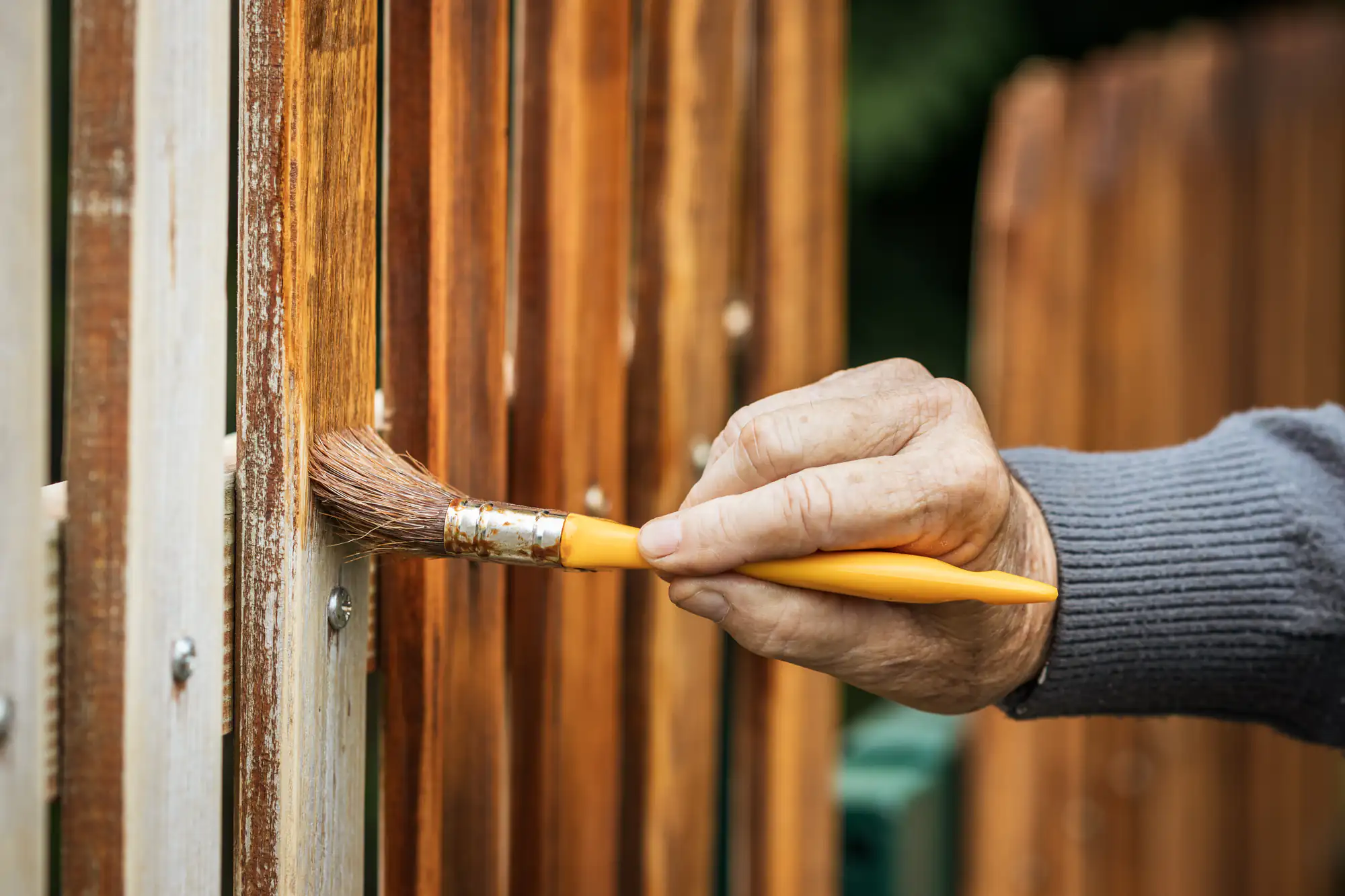
Central Islip’s climate is the main driver here. The freeze-thaw cycling through winter is harder on unprotected wood than most homeowners realize, and the summer humidity creates conditions where mold and mildew can get established on fence surfaces that haven’t been sealed. If your fence is starting to look gray or show surface checking small cracks running along the grain that’s a sign the stain has worn through and moisture is getting in. At that point, waiting another season usually means more prep work and more cost when you do get it done.
Is it worth staining an old fence, or should I just replace it?
That depends on the structural condition of the fence, not just how it looks. A fence that’s grayed and weathered on the surface but still has solid posts and intact boards is almost always worth staining. Surface weathering is reversible you clean it, brighten it, and the wood responds well to a fresh stain. What’s not reversible is rot at the post base or boards that have split and lost their structural integrity. That’s when replacement starts making more sense.
In Central Islip, where a lot of the housing stock dates to the 1960s and early 1970s, we see plenty of fences that look rough but are structurally sound. A full fence replacement in this market typically runs $3,000 to $8,000 or more depending on length and material. A professional stain job is a fraction of that. If the bones are good, staining is almost always the smarter financial call and it can add years to the fence’s life when done correctly and maintained on schedule.
Do I need a permit to stain my fence in the Town of Islip?
No the Town of Islip does not require a permit for fence maintenance, including staining. You can schedule and complete the work without any paperwork or town approval. That said, there are fence regulations in Islip that are worth knowing if you’re also considering any repairs or modifications. The maximum fence height in front and side yards is six feet, and in rear yards it’s eight feet. Corner lots have additional restrictions no fence higher than four feet within 15 feet of a street property line.
These rules matter most if you’re repairing or replacing sections, not just staining. But if you’re unsure whether your existing fence is within code especially if it was installed by a previous owner our site visit will flag anything that looks like it could be an issue. We verify property lines and assess the fence before any work starts, so you’re not discovering a compliance problem after the fact.
What happens if my fence was damaged in a storm can you stain and repair it at the same time?
Yes, and that’s exactly how we prefer to handle it. Storm damage and staining are closely connected if a section of fence has been hit by a fallen limb or pushed by wind, the damaged area needs to be structurally repaired before staining it makes any sense. Staining over damaged wood doesn’t fix the damage, it just covers it temporarily. We assess the full fence during the site visit, identify what needs repair versus what just needs a stain refresh, and handle both in the same job.
This matters in Central Islip because storm events here are regular enough that we see fence damage across the 11722 area from wind events, nor’easters, and summer storm lines. Our storm and vehicle damage repair coverage means you don’t need to coordinate a carpenter for the repair and a separate contractor for the staining we do both, the finish matches, and the wood is properly sealed when we leave.
What’s the best time of year to stain a fence on Long Island?
Late spring typically May into early June and early fall, from September through mid-October, are the best windows for fence staining on Long Island. The reason is simple: stain needs temperatures consistently above 50°F to penetrate and cure properly, and it needs dry conditions for at least 24 to 48 hours after application. Spring and fall hit both of those requirements reliably in Central Islip without the complications that summer can bring.
Summer staining is possible, but you have to be careful about high heat. Applying stain in direct sun above 85°F causes it to dry at the surface before it can penetrate the wood, which means the protection doesn’t go as deep and the finish won’t last as long. If you’re booking in summer, we schedule the work for early morning or choose days where conditions are right. Winter staining isn’t practical in this climate temperatures drop below the threshold for proper curing, and the wood often holds too much moisture from rain and snow to accept stain evenly.
How long does fence staining take, and will it disrupt my yard?
For most residential fences in Central Islip, the job takes one day. A standard fence say, 150 to 200 linear feet can typically be prepped, cleaned, and stained within a single visit when conditions are right. Larger fences or ones that need more extensive prep work, like brightening heavily weathered wood or making repairs first, may run into a second day. We’ll give you an honest timeline in the quote so you know what to expect before we show up.
As far as disruption goes, we ask that you keep kids and pets away from the fence while the stain is wet and during the curing period usually 24 to 48 hours depending on the product and conditions. We work cleanly and take care around landscaping, garden beds, and anything close to the fence line. Central Islip’s residential lots tend to run close together, so we’re also mindful of the neighbor’s side we don’t leave overspray or mess that creates a problem next door. Once the stain is cured, the fence is fully usable and protected.
Useful Links
Other Services we provide in Central Islip