
Fence Staining in Brightwaters, NY
The Bay Air Is Already Working Against Your Fence
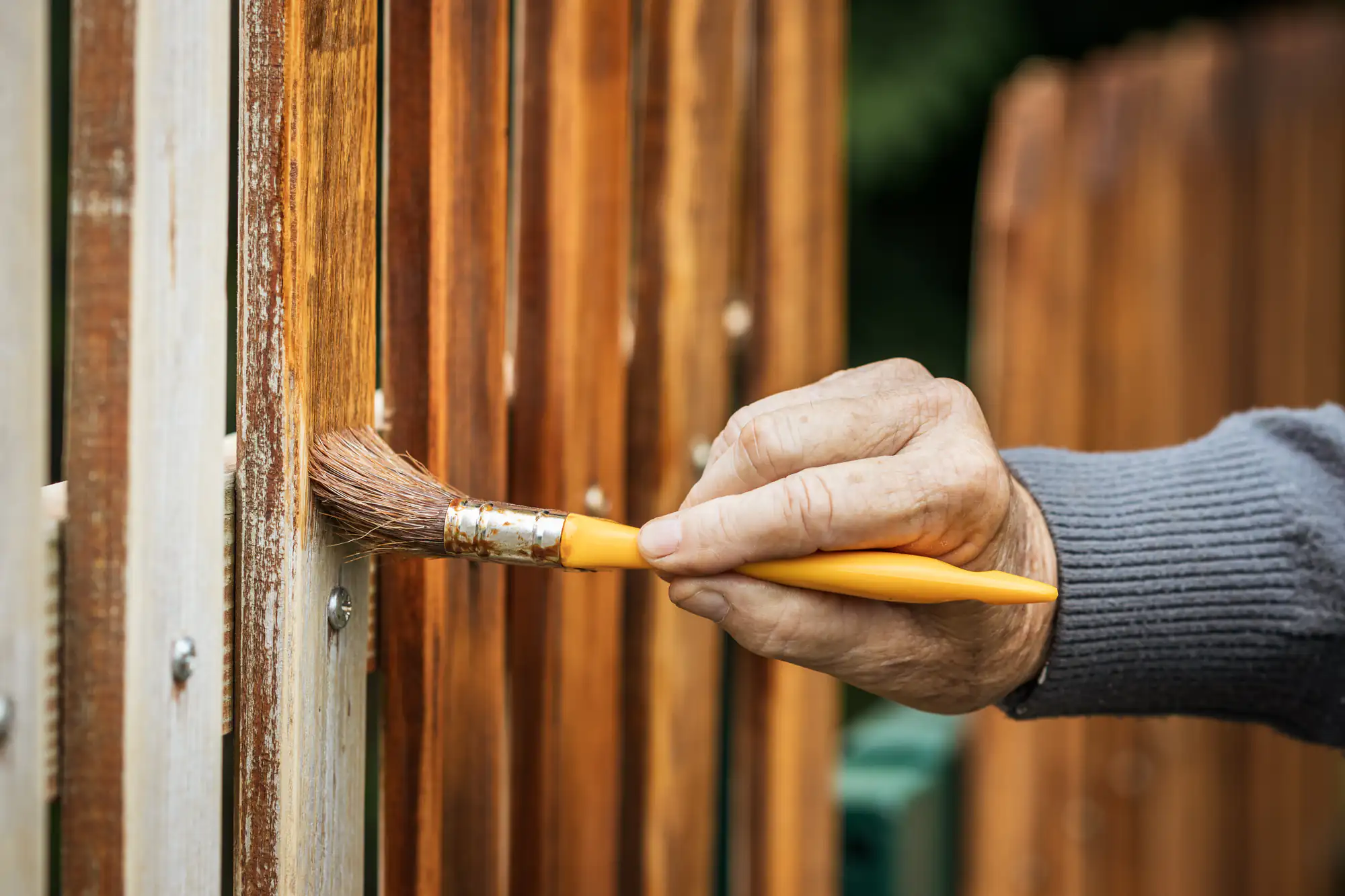
Hear from Our Customers
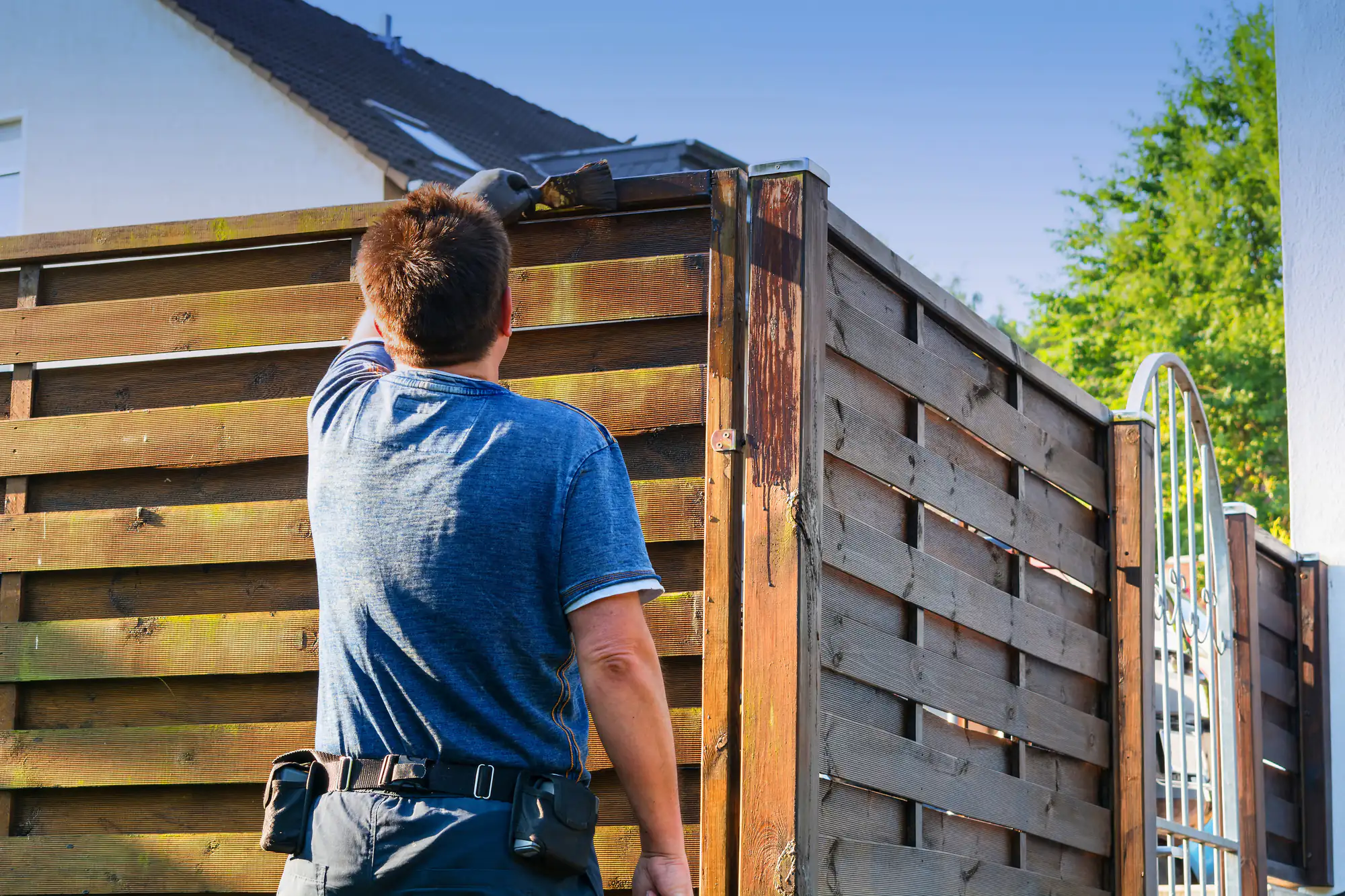
Wood Fence Protection Brightwaters NY
Living near the canal or the bay in Brightwaters means your fence is absorbing more than just weather. Salt air carries airborne particles that work their way into unprotected wood grain, accelerating oxidation and breaking down the fiber from the inside out. Add the moisture coming off Cascades Lake, Mirror Lake, and the other spring-fed lakes in the northern part of the village, and you’ve got a fence environment that’s genuinely more demanding than most of inland Suffolk County.
A properly stained fence slows all of that down. The stain acts as a moisture barrier, keeping water out of the grain before the freeze-thaw cycle can crack it open. It blocks UV damage which hits harder near open water because of reflection and it stops the graying and surface checking that signals deeper degradation is already underway. For a home worth close to $900,000 in a village where neighbors notice, that’s not a small thing.
The math is straightforward. A professional stain job costs a fraction of what fence replacement runs and it extends your fence’s lifespan by up to 30% when done right. In Brightwaters’ coastal environment, skipping maintenance doesn’t save money. It just moves the bigger bill closer.
Fence Staining Company Brightwaters NY
We’ve been working throughout Suffolk County for over 15 years, including the South Shore communities in and around Brightwaters and the Town of Islip. We’ve stained fences along canal-side streets on West Shore Road, bayfront properties near Walker Beach, and lakefront homes throughout the village and we understand what that environment does to wood over time in a way that a painting company or a national franchise simply doesn’t.
We’re a fence company first. That means when we assess your fence before staining, we’re not just looking at the surface we’re reading the wood. We know how different species respond to coastal moisture, how long pressure-treated lumber needs to cure before stain will actually penetrate, and what prep work is non-negotiable in a salt-air environment like Brightwaters.
Every job we complete comes with itemized quotes, a professional site visit, and warranties covering both labor and materials. No vague estimates, no surprise charges after the deposit, and no shortcuts on prep. That’s how we’ve stayed in business for 15 years and it’s the only way we operate.
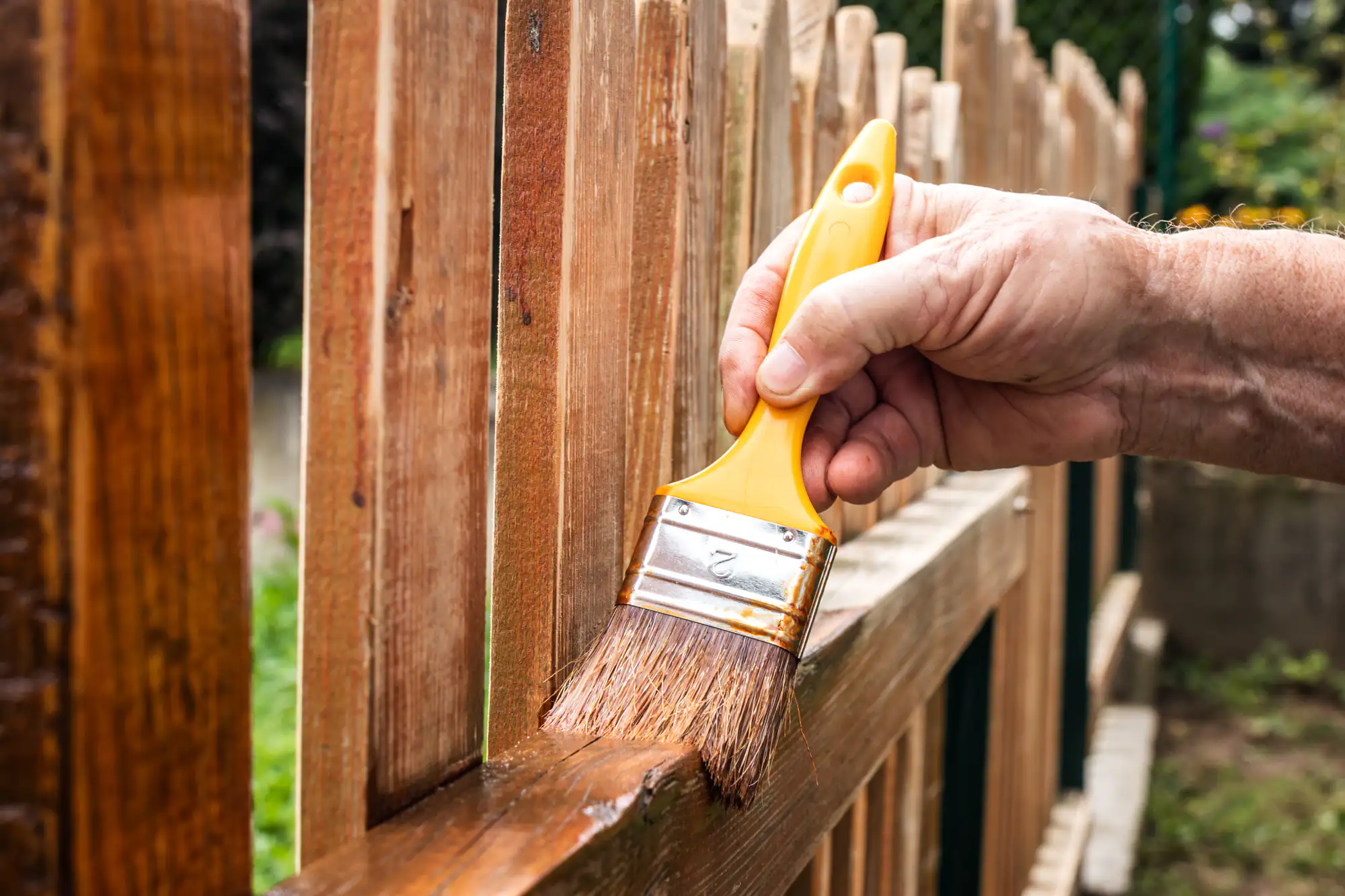
Fence Staining Process Brightwaters NY
It starts with a site visit. Before we quote anything, we come to your property, walk the fence line, and assess the wood’s actual condition moisture content, surface contamination, existing damage, and how the fence is positioned relative to the canal, the bay, or the lakes. That assessment drives every decision that follows, including product selection. A fence on a canal-side street in Brightwaters needs a different approach than one in a landlocked neighborhood, and we don’t treat them the same.
Once we’ve scoped the job, you get an itemized quote that spells out exactly what’s included what surfaces will be stained, what product will be applied, how many coats, and what prep work is part of the job. No ballpark figures. When you approve it, we schedule the work around the optimal staining window, which in Brightwaters typically means late spring or early fall after the wood has dried out from the wet season and before temperatures drop below the 50°F threshold where stain stops penetrating properly.
On the day of the job, we clean and brighten the surface before we open a single can of stain. Staining over dirty, wet, or salt-contaminated wood is the main reason stain fails early, and we don’t skip that step. After the stain is applied and cured, the fence is sealed and ready to handle whatever the South Shore throws at it next season.
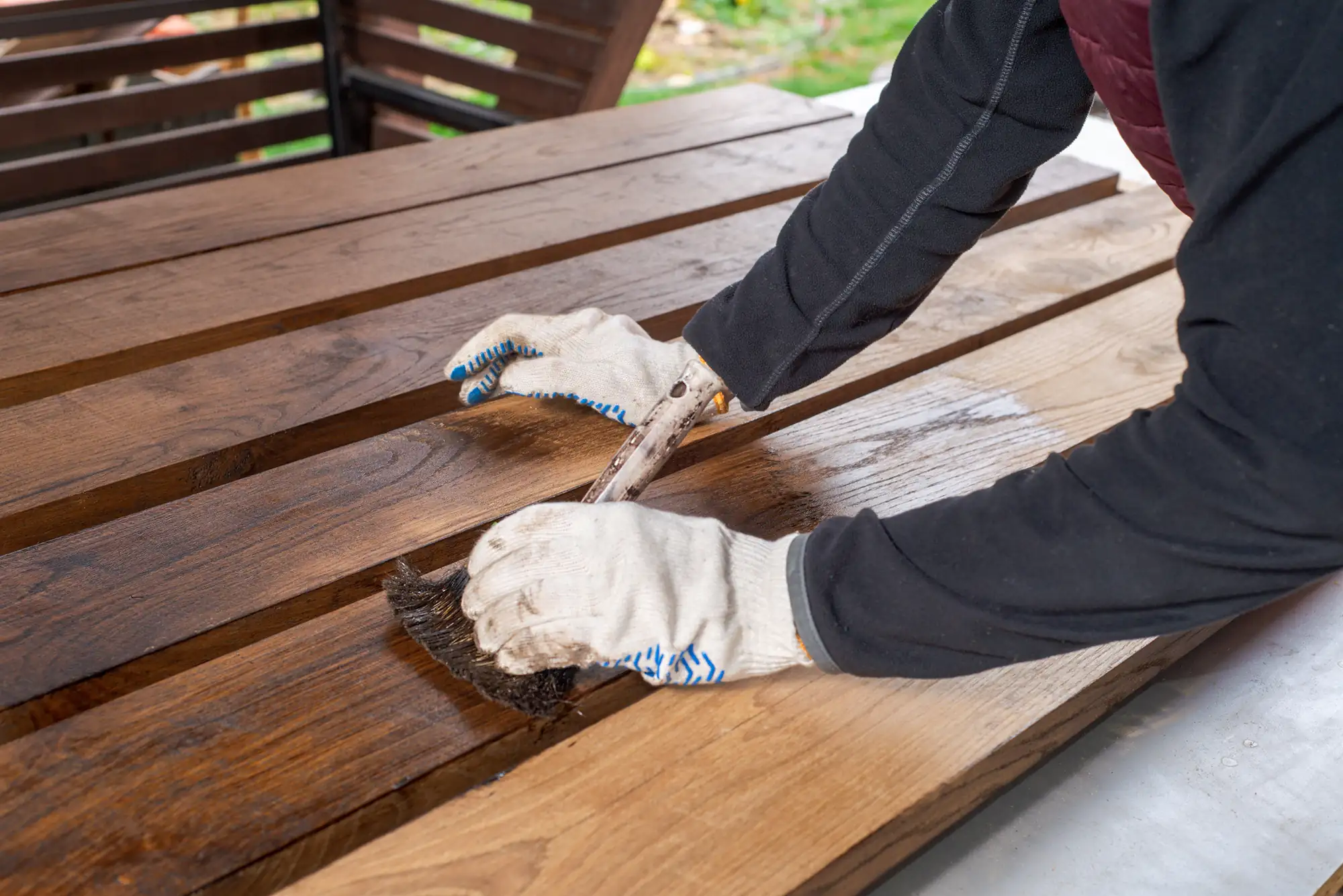
Ready to get started?
Professional Fence Staining Services Brightwaters
Fence staining in Brightwaters isn’t the same job it is ten miles inland. The village’s position on the Great South Bay with the yacht canal running through the southern residential streets and five spring-fed lakes in the north means moisture exposure is elevated year-round. The stain products and application methods we use are selected specifically for coastal wood behavior, with formulas that penetrate deeper and hold longer in high-humidity, salt-air conditions.
Every staining job we perform includes full surface preparation: cleaning, mold and mildew treatment where needed, and wood brightening to open the grain before stain is applied. We assess structural condition during the site visit, so if there are soft spots, failing boards, or hardware that needs attention before staining, you know about it upfront not after the job is done. If your fence has taken storm damage from a nor’easter or a coastal wind event, we can handle repair and staining in a single coordinated visit, which means you’re not managing two contractors or waiting twice.
It’s also worth knowing that staining an existing fence in Brightwaters does not require a permit from the Village Building Department that applies to structural modifications and new installations. So there’s no administrative delay between your decision and the work getting done. If you’re also thinking about a new fence or a replacement, we handle that too, and we know Brightwaters’ code requirements, including the setback rules under Section 128-26 that govern fence placement relative to street property lines.
How often should I stain my fence near the Great South Bay?
In most inland areas of Long Island, a quality stain job on a wood fence lasts anywhere from three to five years. In Brightwaters, you’re realistically looking at the shorter end of that range closer to two to three years depending on how directly your fence is exposed to the bay environment. Fences along canal-facing streets, properties near Walker Beach, or anywhere with a clear sightline to open water are taking on more salt air, more reflected UV, and more humidity than fences even a few miles inland.
The best way to gauge timing is to watch the wood itself. When the surface starts graying, when water stops beading on the boards, or when you can see the grain beginning to open up and check, the stain barrier has worn down and moisture is getting in. At that point, restaining is the right call waiting longer means you’re dealing with deeper degradation that requires more prep work and a more involved job. Staying ahead of it by two to three years is always cheaper than catching up after the damage is done.
What happens if I stain a fence that hasn’t been properly cleaned first?
Staining over a dirty or contaminated surface is the single most common reason fence stain fails before it should. When salt residue, mold, mildew, or oxidized wood fiber sits between the stain and the raw wood, the stain can’t penetrate it bonds to the contamination instead, and that bond breaks down quickly. In Brightwaters, where canal-adjacent and bayfront fences accumulate salt drift and biological growth on their surfaces through normal seasonal exposure, this isn’t a hypothetical risk. It’s a predictable outcome if prep is skipped.
What you end up with is a stain job that looks fine for a few months and then starts peeling, blotching, or fading unevenly and at that point, you’re stripping and starting over rather than just restaining. The cleaning and brightening step we do before every job isn’t an upsell. It’s what makes the stain actually last. If a contractor is quoting you a stain job without mentioning surface prep, that’s worth asking about before you agree to anything.
Does fence staining in Brightwaters require a permit from the village?
No staining an existing fence does not require a building permit from the Village of Brightwaters. Permits are required for new fence installations and structural modifications, which go through the village’s own Building Department at Village Hall on Seneca Drive. Brightwaters is an incorporated village with its own code enforcement, separate from the Town of Islip, so those permit requirements are governed locally rather than at the town level.
Where permits do matter and where we pay close attention is on the installation side. Brightwaters has specific regulations around fence placement relative to street property lines, including restrictions under Village Code Section 128-26 that prohibit fences from extending nearer to a street property line than the front of the dwelling. The village’s Zoning Board of Appeals regularly hears variance requests from homeowners who ran into these rules after the fact. Our site visits include property line verification precisely to avoid that situation. But for a straight staining job on a fence that’s already in place? You’re clear to move forward without any administrative steps.
Can a weathered or grayed fence be restored with staining, or does it need to be replaced?
Graying alone doesn’t mean a fence needs to be replaced it means the surface has oxidized and the UV protection has worn off, which is normal and reversible with proper prep and a quality stain. The wood underneath is often in better shape than the surface suggests. The real question is whether the structural integrity is still there. If the boards are soft, spongy, or crumbling when you press on them, or if the posts have significant rot at the base, staining is treating the symptom rather than the problem.
During our site visit, we assess this directly. We check moisture content, look for soft spots, and identify any boards or hardware that need to be addressed before staining makes sense. In many cases, a combination of targeted repair and full staining is the right call you replace what’s failing and protect what isn’t, rather than replacing the entire fence. Given that wood fence replacement in Suffolk County runs $3,000 to $8,000 or more depending on linear footage and material, that targeted approach saves a significant amount of money when the underlying structure is still sound.
What type of stain works best on wood fences exposed to salt air and coastal moisture?
For coastal environments like Brightwaters, penetrating oil-based or water-based semi-transparent stains that are specifically formulated for exterior wood perform significantly better than film-forming products like solid stains or paints. The reason is penetration a stain that soaks into the wood grain rather than sitting on top of it moves with the wood as it expands and contracts through the seasons. Film-forming products crack and peel when wood moves, and wood near the water moves a lot.
Beyond the product type, the formulation matters. Stains with built-in mildewcides and UV inhibitors are worth the investment in a salt-air environment because they address two of the primary degradation forces simultaneously. We select products based on the specific wood species, the fence’s age and condition, and the exposure level of that particular property a fence on a canal-facing lot on West Shore Road is going to get a different recommendation than one on a street in the northern part of the village near Wohseepee Park. That’s the kind of specificity that comes from actually knowing the area rather than applying a generic product catalog to every job.
What does fence staining typically cost for a Brightwaters home?
For a standard wood fence in the Brightwaters area, professional staining typically runs in the range of $1,400 to $2,200 for an average residential job, though the final number depends on linear footage, fence height, wood condition, and how much prep work is needed before stain goes on. Fences that haven’t been maintained in several years or that have significant mold, mildew, or salt buildup require more cleaning and brightening time, which affects the overall cost.
The more useful comparison for most Brightwaters homeowners isn’t staining versus not staining it’s staining versus replacing. Wood fence replacement in Suffolk County typically runs $3,000 to $8,000 or more depending on material and scope. A stain job every two to three years is a fraction of that cost and is what keeps replacement from becoming necessary before the fence’s natural lifespan is up. For a home in a village where median values approach $900,000 and curb appeal is genuinely tied to property value, that’s not a hard calculation. We provide itemized quotes on every job, so you know exactly what you’re paying for before any work begins no ranges that shift after the deposit, no line items that appear after the fact.
Useful Links
Other Services we provide in Brightwaters