
Fence Repair in North Great River, NY
When the Storm Leaves Your South Shore Fence on the Ground

Hear from Our Customers
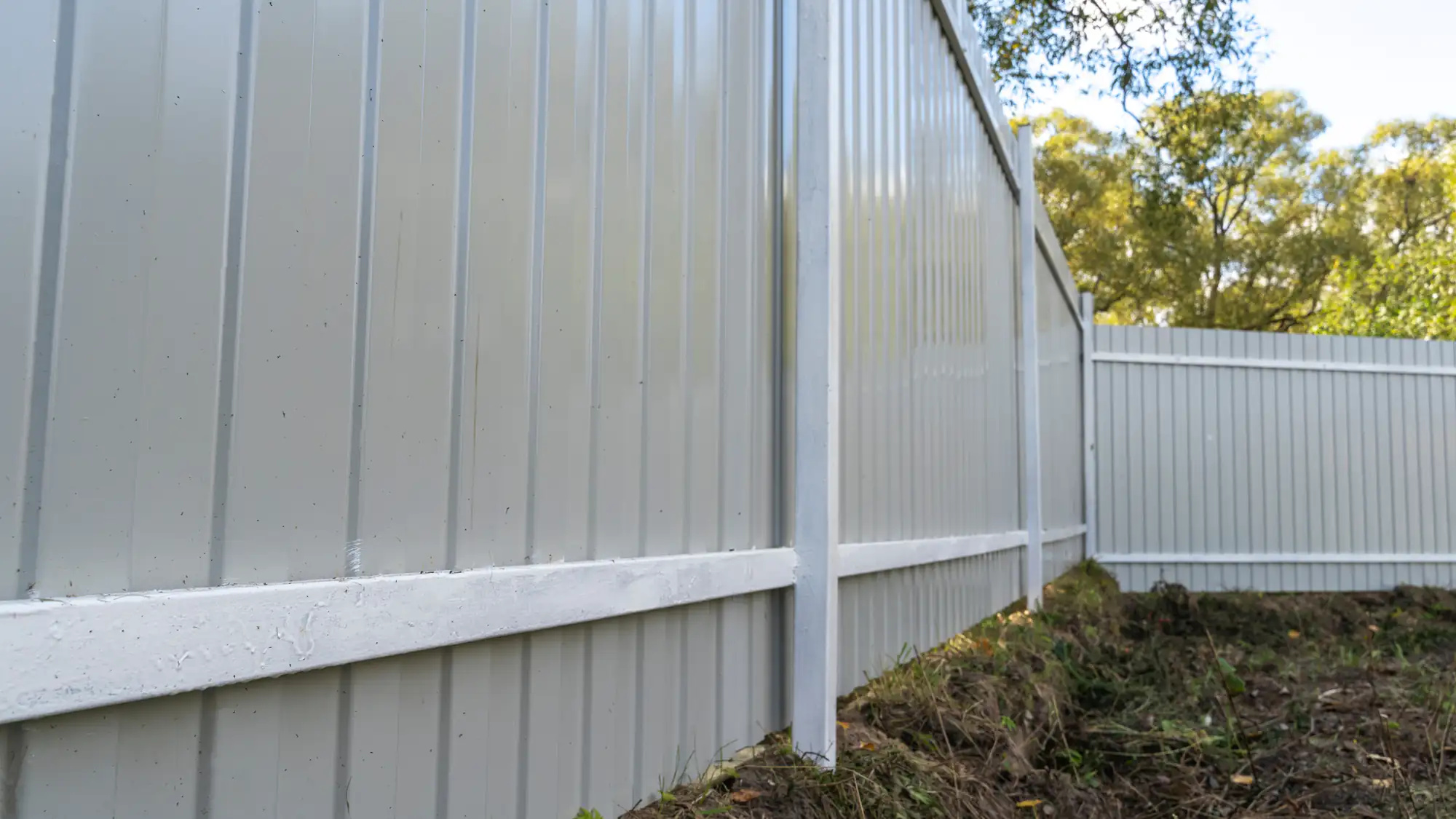
Wood and Vinyl Fence Repair, Suffolk County
North Great River takes a beating every storm season. Sitting just north of Sunrise Highway on Long Island’s South Shore, this neighborhood sits squarely in the path of every nor’easter and tropical remnant that rolls through Suffolk County. When wet soil loosens post footings and sustained winds do the rest, you don’t need a lecture you need someone who shows up with a plan.
When the repair is done right, you stop thinking about the fence. The section that went down after the last storm is back up, set deeper than it was before, with concrete volumes that match what this soil actually requires not what’s fastest to pour. If your yard backs up toward the Connetquot River State Park Preserve, your fence line is where it belongs, verified before a single post goes in the ground.
For homes in North Great River where pools are the norm, a damaged fence isn’t just an eyesore it’s a Town of Islip code issue. A repaired, compliant pool enclosure means you can open the pool on schedule without a violation hanging over your head. That’s what a fence repair that was done correctly actually looks like.
Fence Repair Company Serving North Great River
We’ve been working in Suffolk County for over 15 years, with deep roots in North Great River and the surrounding South Shore communities. That means we’ve repaired fences after the storms that hit this coastline hard, navigated the Town of Islip permit process more times than we can count, and learned exactly what post depth and concrete volume the sandy South Shore soil actually demands not what looks acceptable on paper.
We serve North Great River, Islip Terrace, East Islip, Great River, Oakdale, and Central Islip. These aren’t names we drop to look local. They’re the neighborhoods where we’ve pulled into driveways, walked property lines, and handed homeowners a written quote that broke down every detail before any work started.
Every job comes with a written warranty on both the workmanship and the materials. Not one or the other both. All fence materials we use are made in America. And when the job is done, we clean up and leave. No debris, no dumpster sitting in your driveway for two weeks.
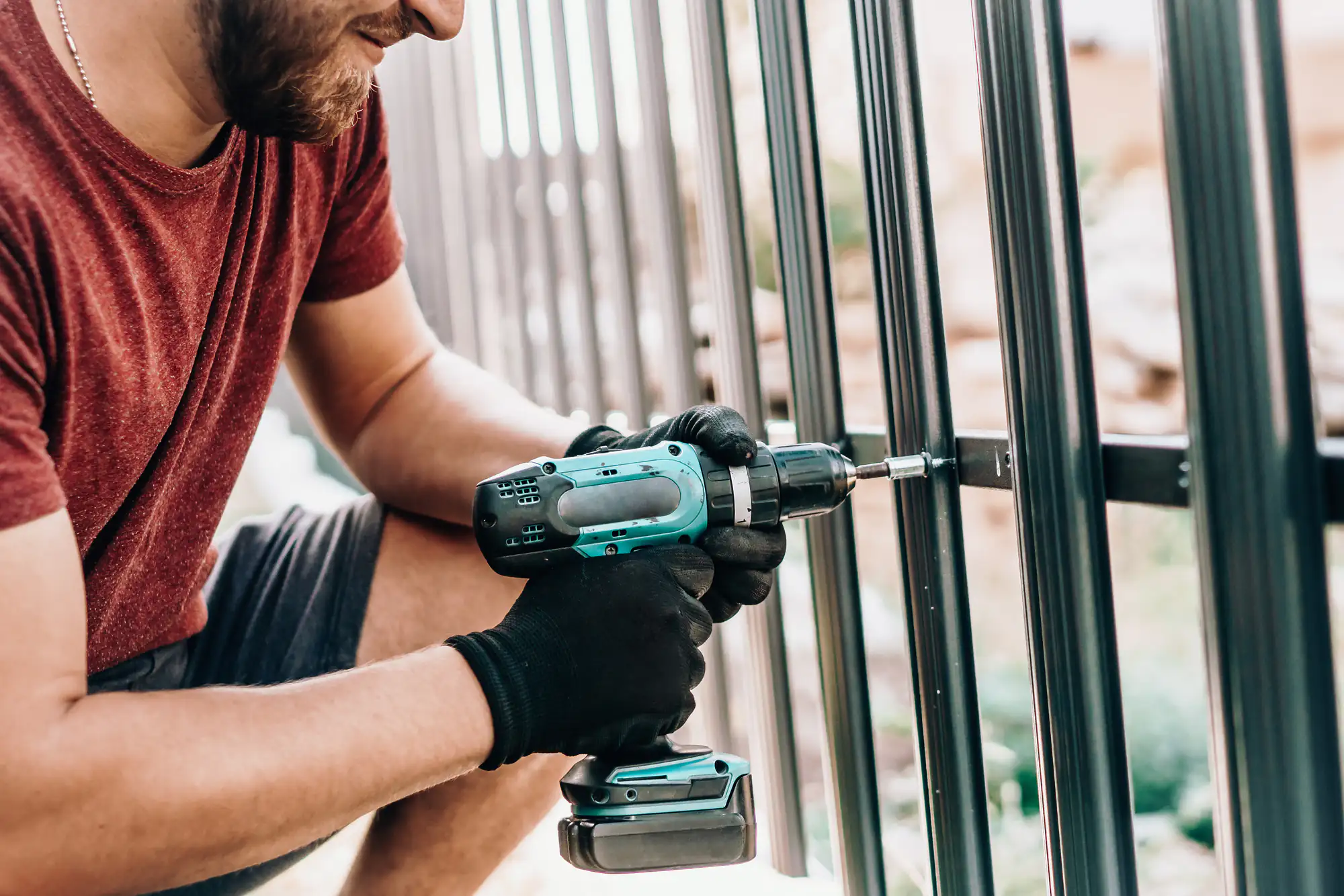
Fence Post Repair Process, North Great River NY
It starts with a site visit not a phone estimate, not a ballpark number based on your description. We come out, walk the fence line, and assess the actual damage. If your property borders the Connetquot River State Park Preserve or sits near a watercourse, that visit also includes confirming your property line before anything gets marked or dug. We locate underground utilities and define the scope of work in person.
From there, you receive an itemized written quote from us. That means lineal footage, post spacing, post depth, and concrete volumes all spelled out. Not a single number with no explanation behind it. If the job requires a Town of Islip permit, we handle that process. The Town has specific height rules six feet in front and side yards, eight feet in the rear and pool fence requirements that carry their own compliance standards. We know the code, and we handle the paperwork so you don’t have to.
Once approved, our crew comes in, sets posts to the right depth for South Shore soil conditions, and completes the repair using American-made materials. Before we leave, the site is clean and the work is documented. If you’re filing a homeowners insurance claim for storm or vehicle damage, that written documentation is exactly what your adjuster needs.

Ready to get started?
Chain Link and Vinyl Fence Repair, Islip NY
Whether your fence is wood, vinyl, chain link, aluminum, or composite, the repair process starts the same way with an honest look at what’s actually damaged and what it’s going to take to fix it correctly. Wood fence repair is the most common call we get in North Great River, and for good reason. The mid-century homes in this community Hi-Ranches, split-levels, colonials built from the 1940s through the 1970s have fences that are decades old in many cases. Posts rot from the bottom up, and freeze-thaw cycles do the rest. When a post goes, the whole section leans.
Vinyl fence repair is the second most common, especially on renovated properties where panels have gone brittle from years of UV exposure. Chain link repair comes up frequently on larger lots and the horse properties that border the preserve stretched fabric, corroded posts, damaged tension bars. We handle all of it. Storm damage and vehicle impact repairs are covered, and we can work alongside your insurance claim from documentation through completion.
For North Great River homeowners with pools which is most of you pool enclosure fencing gets its own attention. A damaged pool fence isn’t a cosmetic issue. It’s a Town of Islip compliance issue, and it needs to be addressed before the pool opens. We repair and replace pool fencing to code, so the season starts on time and without a violation.

Does my fence repair in North Great River require a Town of Islip permit?
It depends on the scope of the work. Straightforward repairs replacing a few boards, resetting a leaning post, fixing a gate typically don’t require a permit. But if you’re replacing a significant section, installing a new fence run, or building any wall over 18 inches in height, the Town of Islip requires a permit through the Department of Planning and Development before work begins.
There are also additional considerations specific to North Great River. If your property is near a watercourse or wetland which applies to some lots bordering the Connetquot River or its tributaries a separate Town of Islip Wetlands and Watercourses Permit may be required on top of the standard building permit. The Town also enforces height limits: six feet maximum in front and side yards, eight feet in rear yards. We handle the permit process for you, so nothing gets missed and the job stays compliant from start to finish.
How much does fence repair typically cost in the North Great River area?
The honest answer is that it depends on the material, how many posts are involved, and the extent of the damage. On Long Island, labor costs run higher than the national average, especially for post replacement, which requires excavation, concrete, and proper depth setting for South Shore soil conditions.
Wood fence repair typically runs $25 to $50 per linear foot including materials and labor. Vinyl is usually in the $20 to $30 per linear foot range. Chain link tends to be less expensive per foot but can add up quickly on larger lots, which are more common in North Great River than in denser surrounding communities. The best way to get a real number is with an itemized quote one that breaks down lineal footage, post count, depth, and concrete volumes so you know exactly what you’re paying for before anyone starts digging.
My fence post snapped after a nor’easter can just the post be replaced, or does the whole section need to go?
In many cases, just the post can be replaced but it depends on how the damage spread. When a post snaps or shears at the base, the rails and panels attached to it often shift, rack, or crack under the load. If the surrounding panels are still structurally sound and the rails held their shape, a post replacement is a reasonable repair. If the panels cracked, the rails bent, or the fence racked significantly out of square, you’re usually better off replacing the section rather than patching around a compromised structure.
This is especially relevant after a South Shore nor’easter, where the combination of wet, saturated soil and sustained wind loads puts maximum stress on the post-to-concrete connection. Posts that were originally set at insufficient depth which is common in older North Great River homes where the original installation may be 20 or 30 years old tend to fail at the base rather than the post itself. When we come out, we assess what’s actually damaged versus what just looks damaged, and we tell you the difference honestly before writing the quote.
Will my homeowners insurance cover fence damage from a storm or fallen tree?
Usually, yes with conditions. Most standard homeowners insurance policies cover fences under the “Other Structures” portion of the policy, which typically provides coverage equal to 10% of your dwelling coverage limit. Storm damage from a sudden event like a nor’easter, a fallen tree, or a vehicle impact is generally covered. Damage from gradual deterioration, rot, or neglect is typically not.
The key is documentation. Your insurance adjuster needs a detailed written estimate that specifies what was damaged, what materials are required, and what the labor scope involves. A vague quote with a single number doesn’t give them what they need to process the claim properly. We provide written, itemized estimates that break down every component of the repair the kind of documentation that makes the adjuster’s job straightforward. If you’re dealing with a storm damage claim after a nor’easter or tropical remnant came through North Great River, getting the documentation right from the start protects the full value of your claim.
How deep should fence posts be set in North Great River’s soil conditions?
The general rule is that posts should be buried to a depth of at least one-third of their total length so a six-foot post needs at least two feet below grade, and an eight-foot post needs closer to three. But in North Great River’s sandy, water-table-influenced South Shore soil, that minimum often isn’t enough. Sandy coastal soil provides less lateral resistance than dense inland clay, and it’s more susceptible to frost heave during the freeze-thaw cycles that run through March and April every year.
For posts in this area, we typically recommend setting deeper than the minimum and using adequate concrete volume to create a stable footing that accounts for both the lateral wind loads this neighborhood sees during storm season and the seasonal ground movement from freeze-thaw. A post that was set at minimum spec in 1995 in sandy South Shore soil may have heaved, shifted, and lost its footing integrity over 30 winters which is why so many fence repairs in older North Great River neighborhoods involve post replacement even when the above-ground structure looks intact.
My backyard fence runs along the Connetquot River State Park Preserve boundary does that affect the repair process?
Yes, and it’s something we take seriously on every job where it applies. If your fence line runs along or near the preserve boundary, property line verification isn’t optional it’s the first thing that happens before any post gets marked or dug. Placing a fence even a few inches onto New York State preserve land creates a legal problem that’s far more complicated than the original repair, and it’s not something that gets resolved with a quick phone call.
Beyond the property line question, lots that border the Connetquot River or its tributaries may fall within a regulated wetlands buffer zone under Town of Islip jurisdiction. That can trigger a separate Wetlands and Watercourses Permit requirement in addition to any standard building permit. We identify this during the site visit, before the quote is written, so there are no surprises mid-job. If you have a horse property with paddock fencing running along the preserve edge, the same process applies we walk the line, confirm the boundary, and build the repair scope from there.
Useful Links
Other Services we provide in North Great River