Wood vs Vinyl Fence Cost Over 15 Years on Long Island
Choosing between wood and vinyl? Here’s what the numbers actually look like over 15 years for Long Island homeowners — before you commit to either.
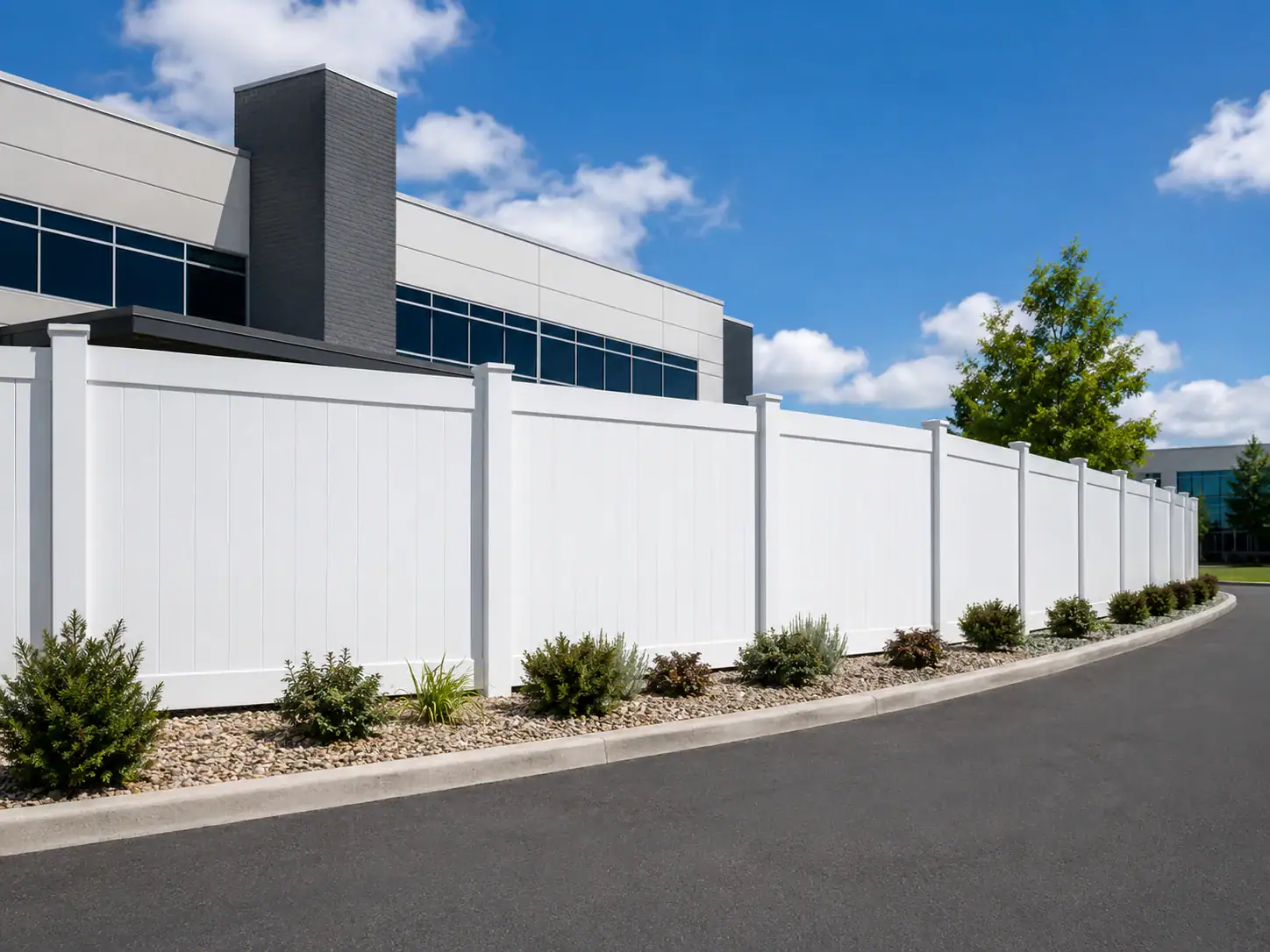
Most people start this comparison the same way — they get a quote for vinyl, see the number, and immediately wonder if wood is the smarter move. It’s a fair question. Wood does cost less upfront. But Long Island isn’t exactly gentle on fences. Between the salt air off the Sound, the freeze-thaw cycles from November through March, and the occasional nor’easter that reminds everyone why post depth matters, the gap between “cheaper to install” and “cheaper to own” closes faster here than it does in most other markets. Here’s what the full picture actually looks like.
Vinyl vs Wood Fence Cost: What You’re Actually Comparing
The upfront cost difference between wood and vinyl is real — vinyl typically runs higher per linear foot at installation. But framing this as a simple price comparison misses the point. What you’re really deciding is how much you want to spend over the life of the fence, not just on the day the crew shows up.
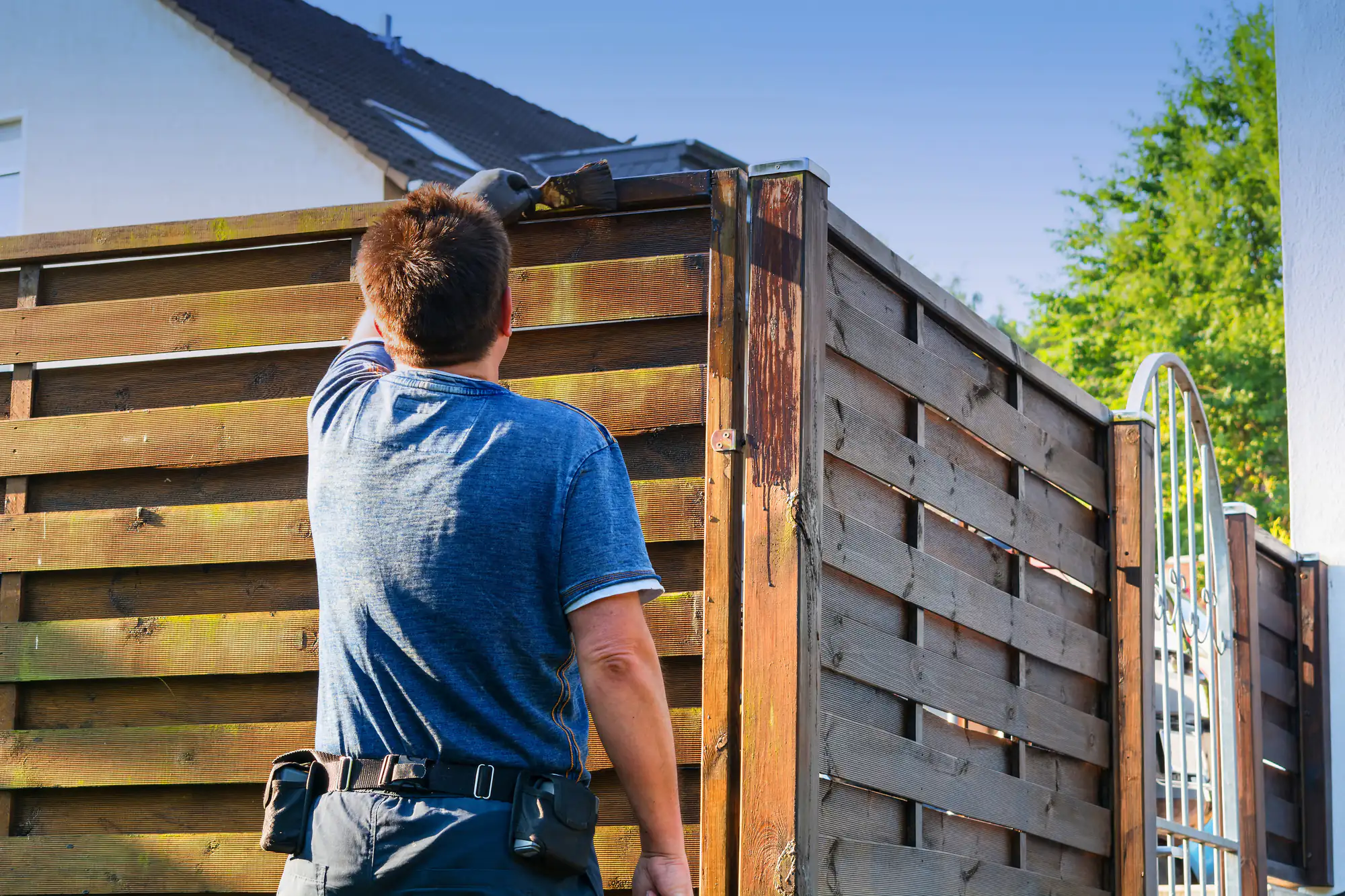
Wood requires staining or sealing every two to four years. Posts rot, boards warp, and individual sections need replacing over time. Vinyl needs almost nothing — an occasional rinse and that’s about it. Over a 15-year window, those maintenance costs add up in ways that aren’t always obvious when you’re standing in a showroom comparing price tags.
Cost of PVC Fence vs Wood: Breaking Down the Numbers
On Long Island, vinyl fence installation typically runs between $28 and $63 per linear foot installed, with most average residential projects landing somewhere between $3,500 and $8,500 depending on the size of the yard, the style of the fence, and the number of gates. Wood comes in lower at the start — pressure-treated pine is the most affordable option, with cedar running higher — but the installed cost is only part of the story.
Here’s where it gets interesting. Staining or painting a wood fence costs roughly $3 to $8 per linear foot in materials alone, and that’s a job you’re doing every two to four years. On a typical Suffolk County backyard perimeter — say, 150 to 200 linear feet — that’s real money, recurring on a schedule that doesn’t care whether you had a good year or a bad one.
Add in the occasional board replacement, a post that shifts after a bad storm, and the eventual full replacement that most wood fences require somewhere in the 8-to-12-year range on Long Island, and the math starts to look very different. Vinyl, by contrast, doesn’t rot. It doesn’t attract termites or carpenter ants. It doesn’t absorb moisture during a wet fall and crack when January hits. The material is inorganic, which means the things that destroy wood fences simply don’t apply to it.
A quality vinyl fence — particularly one made from American-manufactured PVC that meets ASTM F964 specifications — is built to last 20 to 30 years with almost no intervention. Most homeowners who’ve replaced a wood fence will tell you the same thing: the second fence cost more than the first, because labor prices had gone up, and they were starting from zero again. That’s the cycle vinyl breaks. You install it once, and in most cases, that’s the last fence conversation you have for a very long time.
Why Long Island’s Climate Makes This Decision Different
National comparison articles quote national averages. They’ll tell you a wood fence lasts 15 to 20 years, which might be true in a drier inland climate. Long Island is not that. Suffolk County sits between the Atlantic Ocean to the south and the Long Island Sound to the north, and that geography creates a specific set of conditions that accelerate wood fence deterioration in ways that don’t show up in the generic guides.
Salt air is corrosive. It penetrates wood grain and speeds up the breakdown of the fibers, and it oxidizes the metal fasteners holding the fence together. If your property is within a few miles of the water — and in Suffolk County, that’s a lot of properties — you’re dealing with a level of moisture and salt exposure that puts real pressure on any organic material left outside year-round.
Then there are the winters. Freeze-thaw cycles cause wood to expand and contract repeatedly from November through March. That movement cracks boards, loosens posts, and creates the small gaps and soft spots where moisture gets in and rot takes hold. By the time a wood fence in Patchogue, Port Jefferson, or anywhere across central Suffolk County looks visibly bad, the damage has usually been building for a couple of years already.
And then there’s the wind. Long Island is in the direct path of nor’easters, and anyone who’s lived here through a few of them knows what a sustained 50-mile-per-hour gust does to a fence that wasn’t set properly — or that’s been quietly weakening for a few seasons. A well-installed vinyl fence, with posts set deep and anchored in concrete, handles those conditions significantly better than wood that’s been compromised by moisture.
This is the part of the comparison that most homeowners don’t fully account for until they’re already dealing with the aftermath. The 15-year cost model for wood on Long Island isn’t the same as the 15-year cost model anywhere else. The climate here shortens the timeline and raises the stakes.
Want live answers?
Connect with a Best Fence Long Island expert for fast, friendly support.
Average Cost of Privacy Fence in Suffolk County
A standard 6-foot privacy fence is the most common residential installation across Suffolk County — in towns like Smithtown, Ronkonkoma, Selden, and Lake Grove, backyard privacy is less of a preference and more of a given. Most homeowners are enclosing a backyard perimeter, containing a dog, screening a pool, or simply creating the kind of private outdoor space that Long Island yards are made for.
For a typical Suffolk County project, total installation costs generally range from $2,000 to $7,000, depending on linear footage, material, and site conditions. Vinyl sits at the higher end of that range upfront. But when you factor in what you won’t be spending on maintenance over the next decade and a half, the effective cost difference shrinks considerably — and in many cases, reverses entirely.
Does a Vinyl Fence Add Value to a Long Island Home?
It does, and the data backs it up. Properly installed vinyl fences typically recover between 50 and 70 percent of their installation cost in home resale value. That’s not just a talking point — it reflects the fact that a well-maintained vinyl fence is a selling feature, not a liability, when it comes time to list a property.
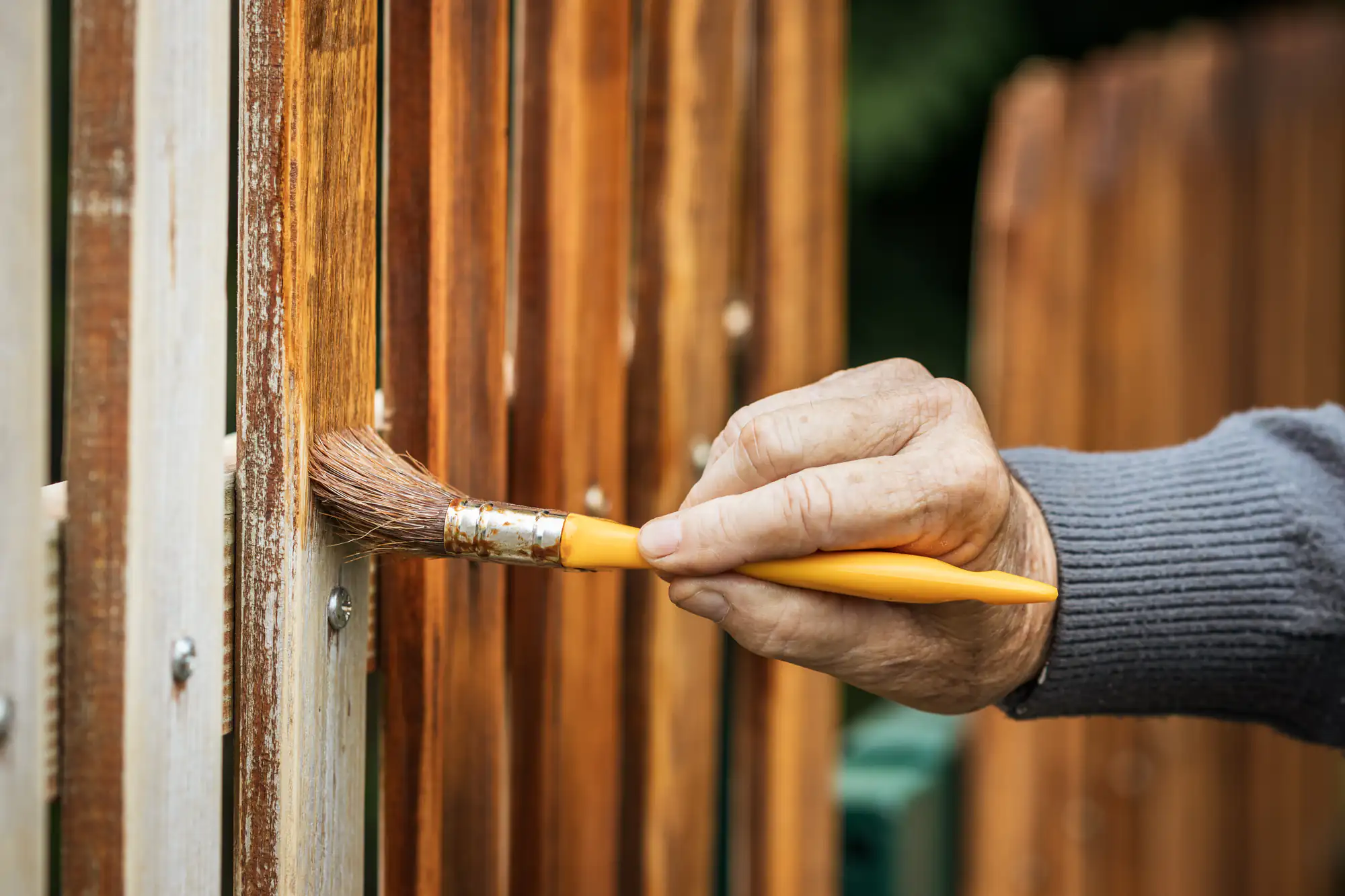
Wood fences don’t hold up as well in that equation. A fence that needs staining, has a few soft boards, or is visibly aging tends to register as a maintenance item in a buyer’s mind, not an asset. In a market where Suffolk County home values are high and buyers pay attention to property condition, the difference matters.
There’s also the HOA angle. Some communities in Suffolk County — particularly newer developments — have restrictions on fence materials, colors, and heights. Vinyl’s availability in a wide range of styles, including woodgrain options that closely mimic the look of natural wood, makes it easier to satisfy those requirements without sacrificing aesthetics. If you’ve been holding off on vinyl because you thought it would look too “plastic,” it’s worth looking at what modern woodgrain PVC actually looks like. The objection is understandable, but for most people who see it in person, it goes away quickly.
One more thing worth mentioning for homeowners with pools: New York State’s residential code requires a minimum 48-inch fence with self-closing, self-latching gates around in-ground pools. Suffolk County has one of the highest rates of in-ground pool ownership in the Northeast, which means a significant number of fence installations here aren’t optional — they’re required. Vinyl is one of the most common choices for pool enclosures precisely because it holds up to the moisture environment and doesn’t require the ongoing upkeep that wood does in a poolside setting.
Curb Appeal and Front Yard Fence Options on Long Island
A front yard fence is a different conversation than a backyard privacy fence. Here, aesthetics carry more weight, heights are typically limited to four feet under most Suffolk County town codes, and the fence is going to be seen every day — by you, your neighbors, and anyone driving past. Getting it right matters.
Wood has a traditional appeal that’s hard to argue with, and in the right setting — a craftsman-style home in Northport or a colonial in Stony Brook — it can look exactly right. But a front yard wood fence is also the one that gets the most sun exposure, the most weather, and the most visual scrutiny over time. Fading, graying, and the gradual loss of that fresh-painted look happen faster on a fence facing the street than one tucked in a backyard.
Vinyl holds its color. A white or tan vinyl fence installed today will look essentially the same in year twelve as it did in year one, without a single coat of paint. For homeowners who care about curb appeal — and most do — that consistency is genuinely valuable. It’s also one less thing to think about.
On the permit side: Suffolk County’s 10 towns each operate their own building department, and fence permit requirements vary from one municipality to the next. Brookhaven, Smithtown, Islip, Riverhead — they each have their own rules on height limits, setbacks, and what triggers a permit requirement. We handle the permit paperwork for every installation we do across Suffolk County, which means you don’t have to take a day off to stand in line at the town building department. It’s one less thing on your list.
Which Fence Makes More Sense for Your Suffolk County Home?
If you’re deciding purely on day-one cost, wood wins. If you’re deciding on what you’ll actually spend over 15 years — including maintenance, repairs, and the real possibility of a full replacement — vinyl is almost always the better answer for Long Island homeowners. The climate here is harder on wood than most national guides account for, and the time and money required to keep a wood fence looking good adds up in ways that aren’t obvious until you’re already a few years in.
That said, every property is different. Yard size, budget, HOA requirements, and personal preference all factor in, and the right answer for your neighbor isn’t automatically the right answer for you. The best way to figure it out is to have someone look at your property, understand what you’re working with, and give you a straight number — not a vague range.
We’re Best Fence Long Island, based in Centereach and serving all of Suffolk County. We offer free on-site estimates with itemized written quotes, and the price we quote is the price you pay. If you’re ready to stop comparing and start planning, we’re easy to reach.
Summary:
Table of Contents


Article details:
- Published by:
- Published to:
- Last modified:
- October 19, 2026
Share: