Aluminum Fence Cost: Long Island Installation Guide
Wondering what aluminum fence installation actually costs on Long Island? Here’s what drives the price — and how to know if your quote is fair.
Getting quotes for a new fence can feel like a guessing game. One contractor gives you a number, another gives you a completely different one, and neither explains what’s actually included. You’re left trying to compare apples to something that might not even be a fruit.
If you’re in Suffolk County and looking at aluminum fencing, this guide is here to clear that up. We’ll walk through what installation actually costs in this market, what drives the price up or down, and what separates a quote worth trusting from one that’ll come back to bite you. By the end, you’ll know exactly what to look for — and what to ask.
Aluminum Fence Installation Cost in Suffolk County, NY
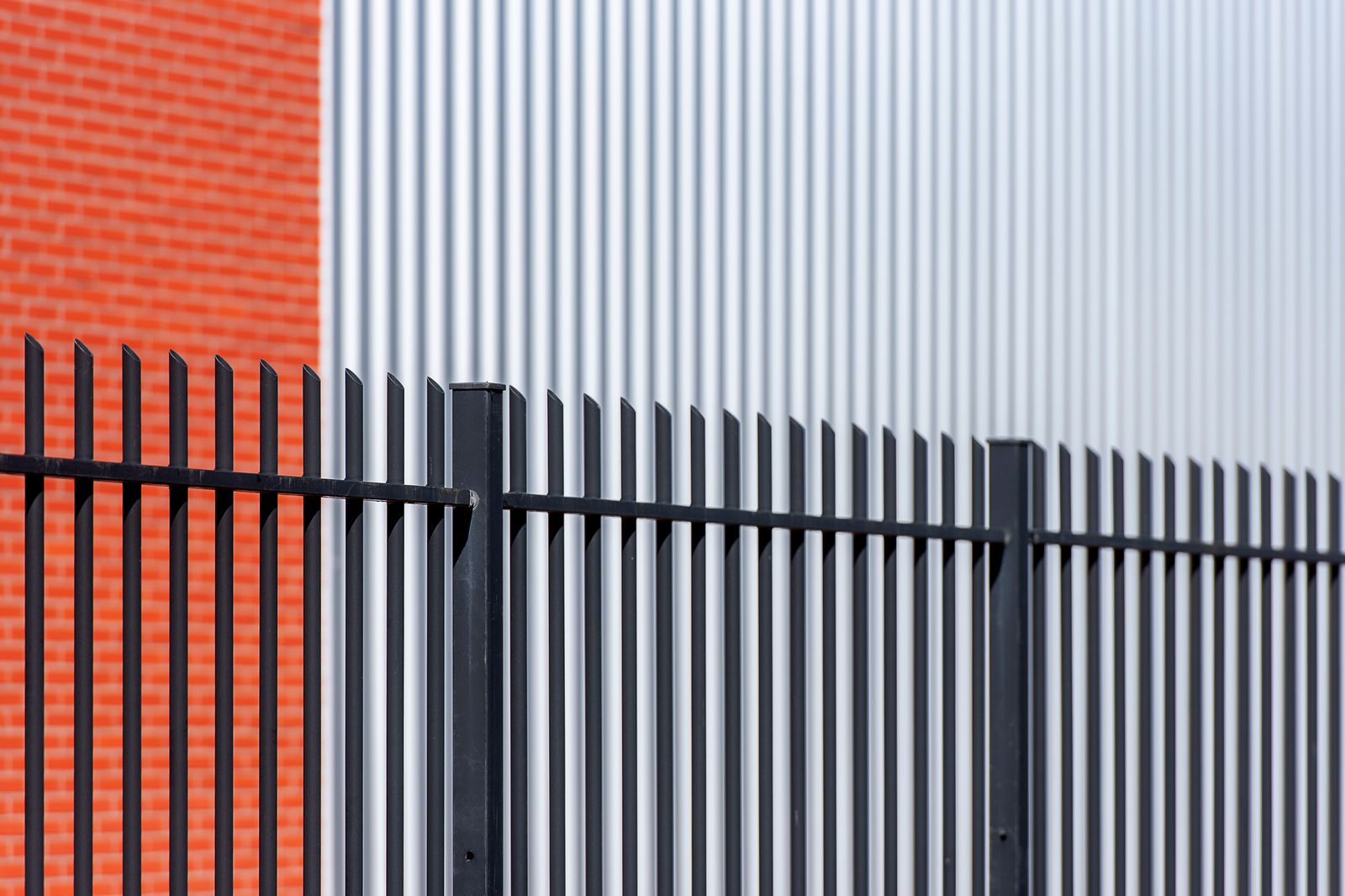
In Nassau and Suffolk County, aluminum fence installation typically runs between $30 and $55 per linear foot, fully installed. That’s the realistic local range — not a national average pulled from markets where labor costs a fraction of what it does here on Long Island. For a 100-linear-foot project, you’re generally looking at $3,000 to $5,500 depending on height, style, and site conditions.
Ornamental or custom aluminum — the kind with decorative finials, heavier gauge posts, or custom panel configurations — can push past $60 to $70 per linear foot. Standard residential aluminum in a classic flat-top or spear-top style sits at the lower end of that range. Most Suffolk County homeowners land somewhere in the middle, especially once gates are added to the equation.
Linear Foot Fence Cost: What the Number Actually Includes
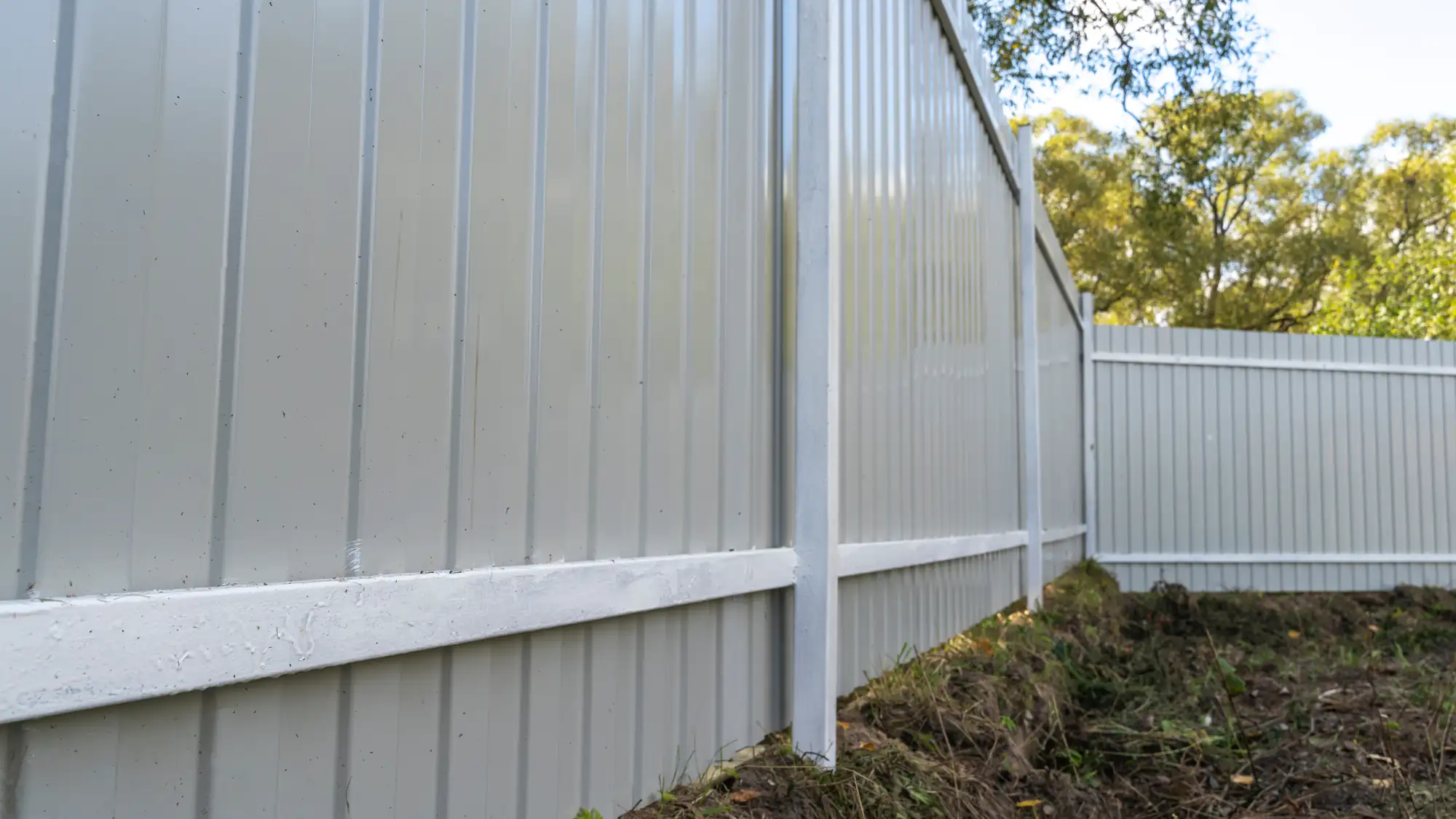
When a contractor quotes you a per-linear-foot price, that number should cover materials, labor, post setting, concrete, and cleanup. If it doesn’t, you’re not comparing apples to apples when you stack quotes side by side — and that’s exactly how homeowners end up with a final invoice that looks nothing like the estimate they signed.
A proper aluminum fence quote breaks down the lineal footage being installed, the number of posts and their spacing, how deep those posts are being set, and how much concrete is going into each hole. That level of detail matters more than most buyers realize. In Suffolk County, a lot of the soil is sandy glacial outwash — loose, well-draining, and not especially forgiving when a post isn’t set deep enough. Posts that would hold fine in denser soil can shift or lean here within a few years if the depth and concrete volume aren’t accounted for correctly. Long Island’s freeze-thaw winters make that problem worse over time.
Gates are another line item that often gets buried or glossed over in vague quotes. A standard pedestrian gate typically adds $200 to $600 to a project. A double driveway gate can run $800 to $1,500 or more depending on hardware and width. If your quote doesn’t call these out separately, ask.
Permits are the other thing that can catch people off guard. Suffolk County’s 10 towns each run their own building department, and the rules aren’t uniform. The Town of Babylon handles permits differently than Brookhaven, which handles them differently than Huntington or Islip. In many cases, a permit is required even for a fence under six feet — and skipping it can result in fines or, in the worst case, having to remove the fence entirely. Permit fees in Suffolk County typically run $75 to $200 depending on the town. A contractor who understands local requirements and handles permitting as part of the job is saving you more than just paperwork.
Average Cost of a 6-Foot Wood Fence vs. Aluminum in Long Island
Wood comes up in almost every conversation about aluminum fencing, usually because buyers assume it’s significantly cheaper. The upfront numbers are closer than most people expect. A 6-foot wood privacy fence in Long Island runs roughly $25 to $34 per linear foot installed. Aluminum starts at around $30 per linear foot for standard residential styles. On a 150-linear-foot project, that gap might be $750 to $1,500 — meaningful, but not the dramatic difference people anticipate.
Where the math really shifts is over time. Wood fences in Suffolk County need to be restained or sealed every three to five years. Long Island’s humid summers, wet springs, and salt-tinged air along the South Shore and the Sound accelerate the wear on untreated or under-maintained wood. Boards rot. Posts soften at the base. A wood fence that looked great at installation can look rough in a decade and need full replacement in fifteen to twenty years.
Aluminum doesn’t rust. It doesn’t rot. It doesn’t need painting or sealing. The powder-coat finish holds up against salt air — which matters if you’re in Bay Shore, West Islip, Patchogue, or anywhere near the Great South Bay or the Atlantic coast. A quality aluminum fence installed correctly should last thirty years or more with nothing more than an occasional rinse. When you factor in the maintenance costs and eventual replacement of a wood fence, aluminum often comes out cheaper over the life of the property — not just comparable.
That’s the real comparison worth making. If low maintenance and long-term durability are priorities — and for most Suffolk County homeowners they are — aluminum is worth the comparison on its actual lifetime cost, not just the sticker price.
Want live answers?
Connect with a Best Fence Long Island expert for fast, friendly support.
Vinyl Fencing Quote vs. Aluminum: How to Compare the Two
Vinyl is the other material that comes up constantly when homeowners are shopping fences on Long Island. In Nassau and Suffolk County, vinyl fence installation runs $28 to $55 per linear foot installed — which puts it in roughly the same ballpark as aluminum. So if the price is similar, how do you decide?
The answer usually comes down to what you want the fence to do. Vinyl is excellent for privacy — it’s solid, available in tall panel configurations, and requires no painting. Aluminum is better suited for decorative or semi-open applications: pool enclosures, front yard borders, property lines where you want visibility. Both are low-maintenance compared to wood, and both hold up well in Long Island’s coastal climate when installed with quality materials.
What a Vinyl Fencing Quote Should Cover (And What to Watch For)
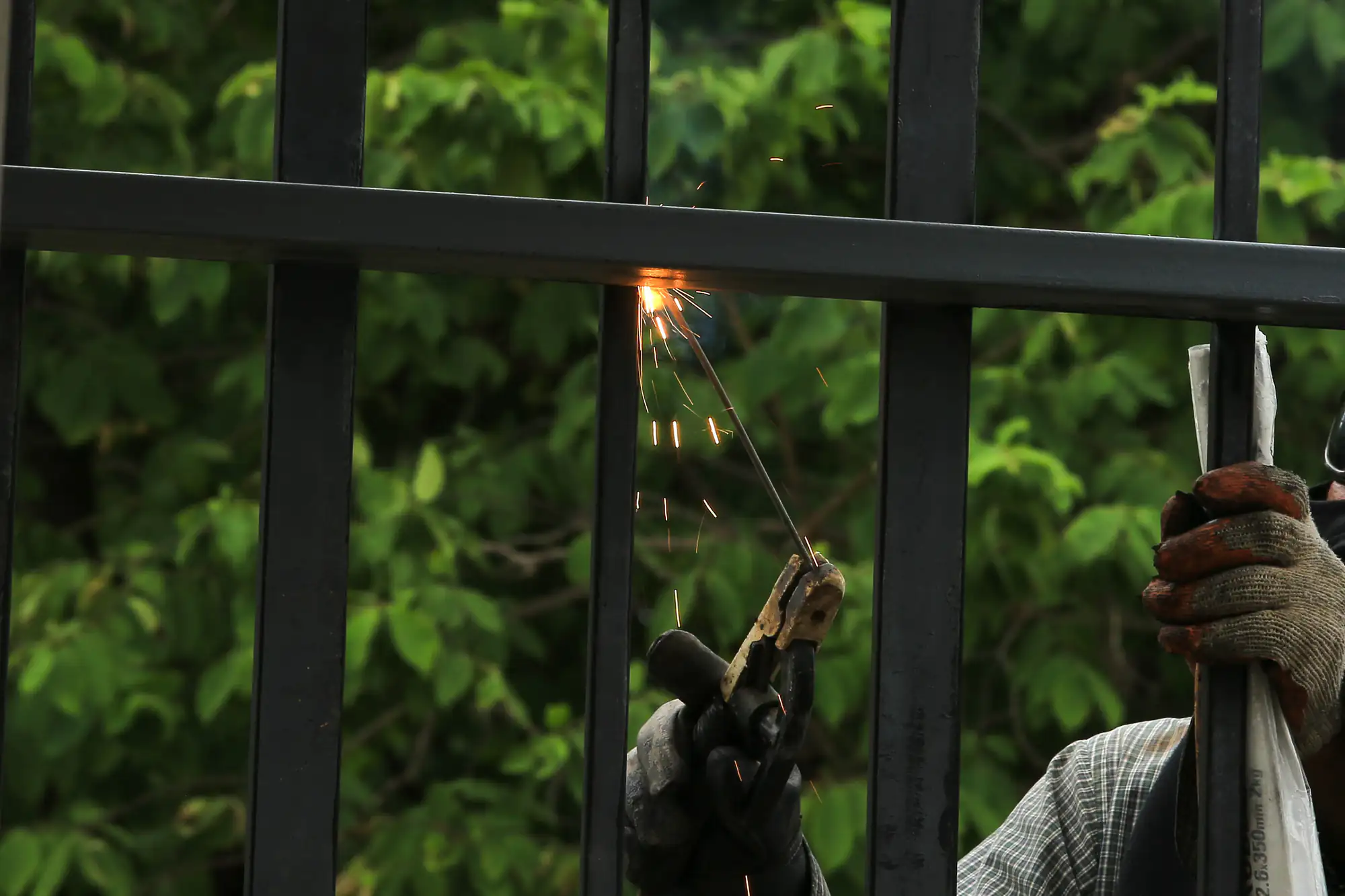
Whether you’re getting a quote for vinyl or aluminum, the structure of a trustworthy estimate looks the same. It should itemize the linear footage, the post count, post depth, concrete volume, gate hardware, and cleanup. Any quote that gives you a single number without breaking those elements out is asking you to trust a contractor you haven’t verified yet — and that’s a risk that rarely pays off.
With vinyl specifically, ask about the post gauge and whether the panels are virgin PVC or recycled material. Recycled vinyl can look identical at installation and perform very differently over ten years, especially through the freeze-thaw cycles Long Island sees every winter. A good contractor will be specific about what they’re installing and why.
One thing that often gets overlooked in both vinyl and aluminum quotes is grade change. If your yard isn’t flat — and in a lot of communities across Suffolk County, from Commack to Dix Hills to Hauppauge, it isn’t — the fence needs to be racked or stepped to follow the terrain. That affects both the appearance of the finished fence and the labor involved. A contractor who doesn’t account for grade in their estimate either hasn’t walked your property or is planning to deal with it as a change order after you’ve signed.
The same goes for old fence removal. If there’s an existing fence coming down, that’s labor and disposal cost. It should be in the quote. If it’s not, ask. A contractor who’s done this long enough to know what they’re doing will have already included it, or will explain clearly why it’s being handled separately.
At the end of the day, the goal of any quote — vinyl, aluminum, or otherwise — is to give you a clear picture of what you’re getting and what it’s going to cost, with no surprises on installation day or when the final invoice arrives.
Pool Fence Installation Costs and Code Requirements in Suffolk County
Suffolk County has one of the highest rates of residential pool ownership in New York State. If you’re one of the many homeowners in Islip, Babylon, Smithtown, or Huntington with an in-ground pool, the fence around it isn’t optional — it’s required by law, and it has to meet specific code.
In New York, pool fences must be a minimum of 48 inches tall, with some local configurations requiring 54 inches. The maximum allowable gap between the bottom of the fence and the ground is 4 inches — enough to prevent a small child from crawling under. Gates must be self-closing and self-latching, with the latch positioned on the pool side of the gate so it can’t be reached from outside.
Aluminum is the go-to material for pool enclosures in this market, and for good reason. It doesn’t corrode in the chlorine and moisture environment around a pool. It comes in styles that meet the gap and height requirements without looking institutional. And it holds up against the salt air that drifts inland across much of Suffolk County’s South Shore communities — a factor that rules out iron for most homeowners who’ve watched a neighbor’s ornamental iron fence turn orange within a few years.
Pool fence installation on Long Island generally runs $30 to $45 per linear foot for standard aluminum pool-code fencing. The self-latching gate hardware adds to the cost, and if your pool area has multiple access points, each gate is a separate line item. For a typical suburban backyard pool enclosure — say, 80 to 120 linear feet with one or two gates — you’re realistically looking at $2,500 to $5,500 depending on configuration.
One thing worth knowing: pool fence permits in Suffolk County are handled separately from general fence permits in many towns, and inspections are required before the pool can be used. A contractor who’s done pool enclosures across the county knows this process and will factor it into the timeline. If yours doesn’t mention it, that’s worth asking about.
How to Get an Aluminum Fence Quote You Can Actually Trust in Suffolk County
The price of an aluminum fence in Suffolk County is only part of the story. What matters just as much is how that price was arrived at — whether someone actually walked your property, verified your property lines, checked for utilities before digging, and gave you a written breakdown of everything included. A quote built on a real site visit and honest numbers is worth more than a low estimate that falls apart when the crew shows up.
We’ve been installing fences across Long Island for over 15 years, and we’ve seen what happens when the details get skipped. Sandy soil and shallow posts. Permits pulled after the fact. Fences that look fine in April and start leaning by October. The way we quote is the way we build — specific, documented, and backed by warranties on both labor and materials.
If you’re ready to stop comparing numbers that don’t mean the same thing, reach out to us for an itemized estimate. We’ll come to you, measure the property, and give you a quote that actually tells you what you’re getting.
Summary:
Table of Contents


Article details:
- Published by:
- Published to:
- Last modified:
- October 19, 2026
Share: