
Fence Installation Permits in Suffolk County, NY: Town-by-Town Guide
Fence permits in Suffolk County aren’t one-size-fits-all. Each town sets its own rules — and getting it wrong can cost you more than the fence itself.
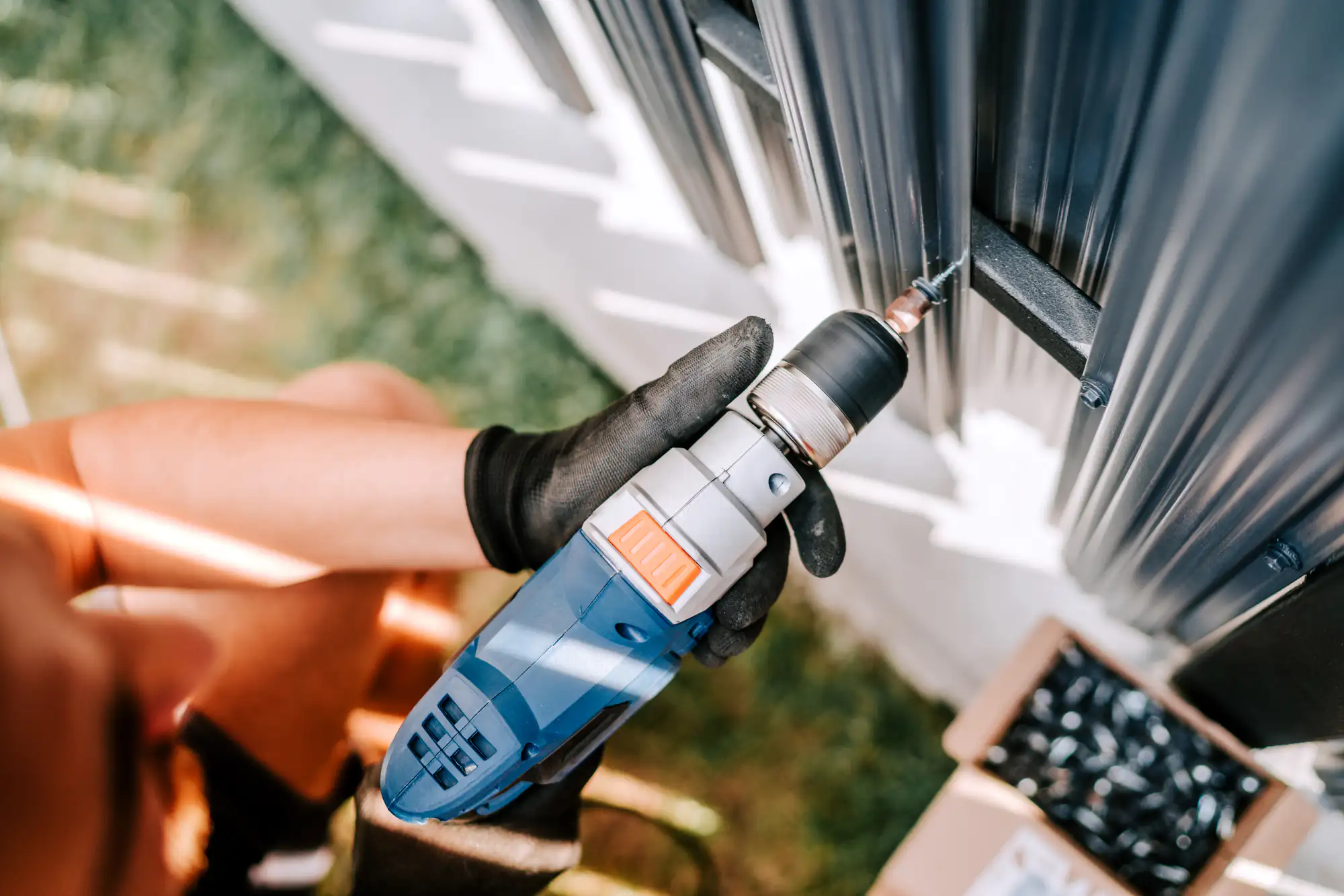
Most homeowners don’t think about permits until a contractor mentions it — or until a neighbor does. By then, you’re either scrambling to figure out what your town requires or wondering whether the fence already in your yard is technically legal. Suffolk County doesn’t make this easy. Each of its ten towns sets its own fence rules, and some incorporated villages within those towns have their own building departments on top of that. This guide walks you through what you actually need to know, town by town, so you’re not guessing before the crew shows up.
Why Fence Permits in Suffolk County Are More Complicated Than You Think
There’s no countywide fence permit in Suffolk County, NY. Every application goes to a town building department — or in some cases, a village building department that operates independently from the town. That means the rules for a homeowner in Huntington are different from the rules for someone in Babylon, even if they live five miles apart and want the exact same fence.
The permit requirement isn’t just paperwork for its own sake. It exists to make sure fences meet height limits, don’t block sight lines on corner lots, stay off neighboring properties, and comply with setback requirements. When those rules get skipped, the consequences fall on the homeowner — not the contractor. Fines, forced removal, and problems at resale are all real outcomes, not worst-case scenarios.
Fence and Rail Rules Vary by Town — Here’s the Breakdown
Starting with one of the most common questions we hear: does the Town of Babylon require a permit for fence installation? It’s actually one of the few exceptions in Suffolk County. Babylon does not require a building permit for a fence, provided it meets code — meaning no more than six feet in rear and side yards, and no more than four feet in the front yard. Corner lots have additional sight-triangle restrictions. It’s a notable outlier, and homeowners in Babylon are often surprised to find out they don’t need to file anything.
Brookhaven is a different story. A permit is required there, with the same general height limits — four feet in the front yard, six feet in rear and side yards for residential properties. Commercial and industrial properties can go up to eight feet. The permit process follows Chapter 85 of the Brookhaven Town Code, and skipping it isn’t a gray area.
Huntington requires a permit for any fence exceeding six feet. Below that threshold, the rules still govern placement and materials, but the permit trigger is the height. Islip follows a similar pattern — fences over six feet require a permit, though there’s a specific exception for open chain-link or fences that don’t restrict visibility by more than fifteen percent, which can go up to eight feet.
Smithtown limits fences to four feet in height on any portion of a lot without a permit, and corner lots come with clearance requirements that catch a lot of homeowners off guard. We work with the Smithtown Building Department regularly, and it’s important to note that they do not process applications for Head of the Harbor, the Village of the Branch, or the Village of Nissequogue. If you live in one of those villages, you’ll need to contact their own building departments directly.
Southampton is one of the stricter towns in Suffolk County. A permit is required for any fence over four feet, and fences over six feet aren’t permitted at all for residential properties. If your property is on the Wetlands inventory, the rules get even more specific — you’ll need Conservation approval for any fence, regardless of height. Even a low garden fence on a wetlands property requires that additional step.
East Hampton has the most documentation-intensive process in the county. You’ll need two sets of quarter-inch scale plans, a completed building permit application, a licensed contractor whose signature is notarized, proof of workers’ compensation insurance, and a property survey. A homeowner cannot legally pull their own permit in East Hampton without a licensed contractor involved.
Riverhead has its own code provisions under Article XLV, with fines running from fifty to five hundred dollars per offense — and each day the violation continues counts as a separate offense. That adds up fast if a notice gets ignored.
Southold’s Building Department is located at 53095 Route 25 in Southold and can be reached at (631) 765-1800. For all ten towns in Suffolk County, here are the building department phone numbers: Babylon at 631-957-3058, Brookhaven at 631-451-6387, East Hampton at 631-324-4145, Huntington at 631-351-3125, Islip at 631-224-5469, Riverhead at 631-727-3200, Smithtown at 631-360-7520, Southampton at 631-283-7526, and Southold at 631-765-1802.
What Happens If You Build a Fence Without a Permit in Suffolk County
This is the question most homeowners don’t ask until after the fence goes up. The short answer is that the risk sits entirely with you, not your contractor. If a fence is built without a required permit and the town discovers it — through a neighbor complaint, a routine inspection, or a code enforcement sweep — you’re the one who pays the fine and deals with the fallout.
In Riverhead and other Suffolk County towns, fines between fifty and five hundred dollars per offense can accumulate quickly, with every day the violation continues treated as a new offense. A homeowner who receives a notice and doesn’t act on it can rack up thousands of dollars in penalties within a few weeks.
The longer-term problem is what happens when you sell. Unpermitted structures show up during the Certificate of Occupancy process, which buyers and their attorneys typically require before closing. A fence that went up without a permit can delay or derail a sale, force you to pull a retroactive permit, or require removal entirely. Retroactive permits often cost more than the original permit would have, and some towns require the fence to be partially or fully removed for inspection before they’ll approve it.
Many homeowners assume that if their contractor said they don’t need a permit, they’re covered. They’re not. The contractor carries the tools. The homeowner carries the legal responsibility for what gets built on their property. A contractor who discourages permits isn’t protecting you — they’re protecting their own schedule.
Before any digging starts, New York law also requires calling 811 to mark underground utilities. This applies to fence post installation just like any other ground-penetrating work. It’s a legal requirement, and missing it creates liability exposure that goes well beyond a permit fine.
Want live answers?
Connect with a Best Fence Long Island expert for fast, friendly support.
What to Expect from the Fence Permit Process in Suffolk County
Once you know your town’s requirements, the actual permit process is more manageable than it sounds. Most towns ask for a completed application, a site plan or survey showing where the fence will be placed relative to property lines, and sometimes a contractor’s license and insurance information. Fees typically run from around seventy-five dollars on the low end to a few hundred dollars depending on the town and project scope.
The timeline varies. Some towns process permits within a few weeks; others take longer, especially during peak construction season in spring and early summer. If you’re working toward a deadline — pool season, a home sale, a specific date — it’s worth starting the permit process well before you want installation to begin.
Does a Fence Contractor Pull the Permit, or Does the Homeowner?
This is one of the most frequently asked questions we hear from homeowners in Suffolk County, and the answer depends on the town and the contractor. In most Suffolk County towns, either the homeowner or the contractor can submit the permit application. In East Hampton, a licensed contractor must be involved in the application — the homeowner can’t do it alone.
In practice, many homeowners prefer to have the contractor handle the permit because the contractor already knows what documentation is needed, how to fill out the site plan, and what each building department is looking for. A contractor who has been doing fence installation in Suffolk County for fifteen or more years has been through this process in every town. They know which departments move quickly, what inspectors typically flag, and how to avoid the back-and-forth that slows down a first-time applicant.
We handle the permit paperwork for Suffolk County towns as part of our process. That means you don’t have to figure out which forms your town uses, whether your survey is the right format, or what the setback requirements are for your specific lot. It’s one of the things that genuinely separates a local contractor with deep roots in the county from someone who shows up, installs the fence, and leaves you to sort out the rest.
The permit also protects you after installation. When a fence goes up with a permit and passes inspection, you have documentation that the work was done legally and to code. That documentation has real value — at resale, when you’re making an insurance claim, or if a neighbor ever challenges the placement of the fence. A verbal assurance from a contractor doesn’t hold up in any of those situations. A permit does.
Fence and Railing Installation on Long Island: Local Conditions That Affect How It’s Done
Suffolk County’s coastal position creates installation conditions that don’t exist in most inland markets. Salt air accelerates corrosion on metal fasteners and hardware. Nor’easters and the occasional tropical system put serious wind loads on solid privacy panels — a six-foot privacy fence acts like a sail in a strong storm, and if the posts aren’t set deep enough or anchored properly, the fence comes down.
In Long Island’s sandy and loamy soil, posts need to go a minimum of thirty inches deep for a six-foot fence, and sometimes deeper depending on the specific site and wind exposure. Concrete footings need to be sized for the actual wind loads the fence will face, not just the minimum that would pass inspection in a calmer climate. This is the kind of thing that separates a fence that lasts twenty years from one that leans after the first major storm.
Fence and railing systems for pools add another layer of specificity. New York State mandates pool enclosures that meet minimum height requirements — at least forty-eight inches — along with self-closing gates and specific latching hardware. A fence and railing installation around a pool isn’t just a style decision; it’s a code compliance requirement, and getting the gate wrong is the most common failure point. The gate has to close and latch on its own, every time, without being manually secured. If it doesn’t, the enclosure doesn’t meet the standard.
Eastern Suffolk County — Riverhead, Southampton, Southold, East Hampton — also has significant deer pressure. Deer fencing typically runs seven to eight feet, which puts it above the standard height limits for most towns. There are exceptions built into local codes for agricultural and deer-control purposes, but those exceptions have their own requirements and don’t apply automatically. If you’re in that part of the county and considering a deer fence, the permit conversation needs to happen before anything is ordered.
All of our fence materials are made in America, which matters more than it might sound on paper. American-made vinyl has thicker walls and better UV stabilizers than many imported alternatives. On Long Island, where a fence is going to face salt air, sun, and storm winds for decades, the difference in material quality is the difference between a fence that holds up and one that fades, cracks, or warps within a few years.
Getting Your Fence Installed Right in Suffolk County
The permit process in Suffolk County is genuinely more involved than most homeowners expect — but it’s also entirely manageable when you know what your town requires and have a contractor who handles it alongside you. The rules differ from Babylon to East Hampton, from Smithtown to Southampton, and the consequences of skipping the process are real enough that it’s worth getting right the first time.
Know your town’s height limits, find out whether your property has any wetlands or corner lot restrictions, start the permit process before you’re under deadline pressure, and work with a contractor who’s done this in your specific town before.
If you’re in Suffolk County and ready to move forward — or just want to know what the process looks like for your property — Best Fence Long Island is based right here in Centereach and has been doing this work across the county for over fifteen years. Reach out and we’ll walk you through it.
Summary:
Table of Contents
Article details:
- Published by:
- Published to:
- Last modified:
- July 21, 2026
Share: