
Summer Fence Maintenance for Long Island Coastal Homes
Long Island’s coastal conditions hit fences harder than most homeowners expect. Here’s what to do about it before summer gets away from you.
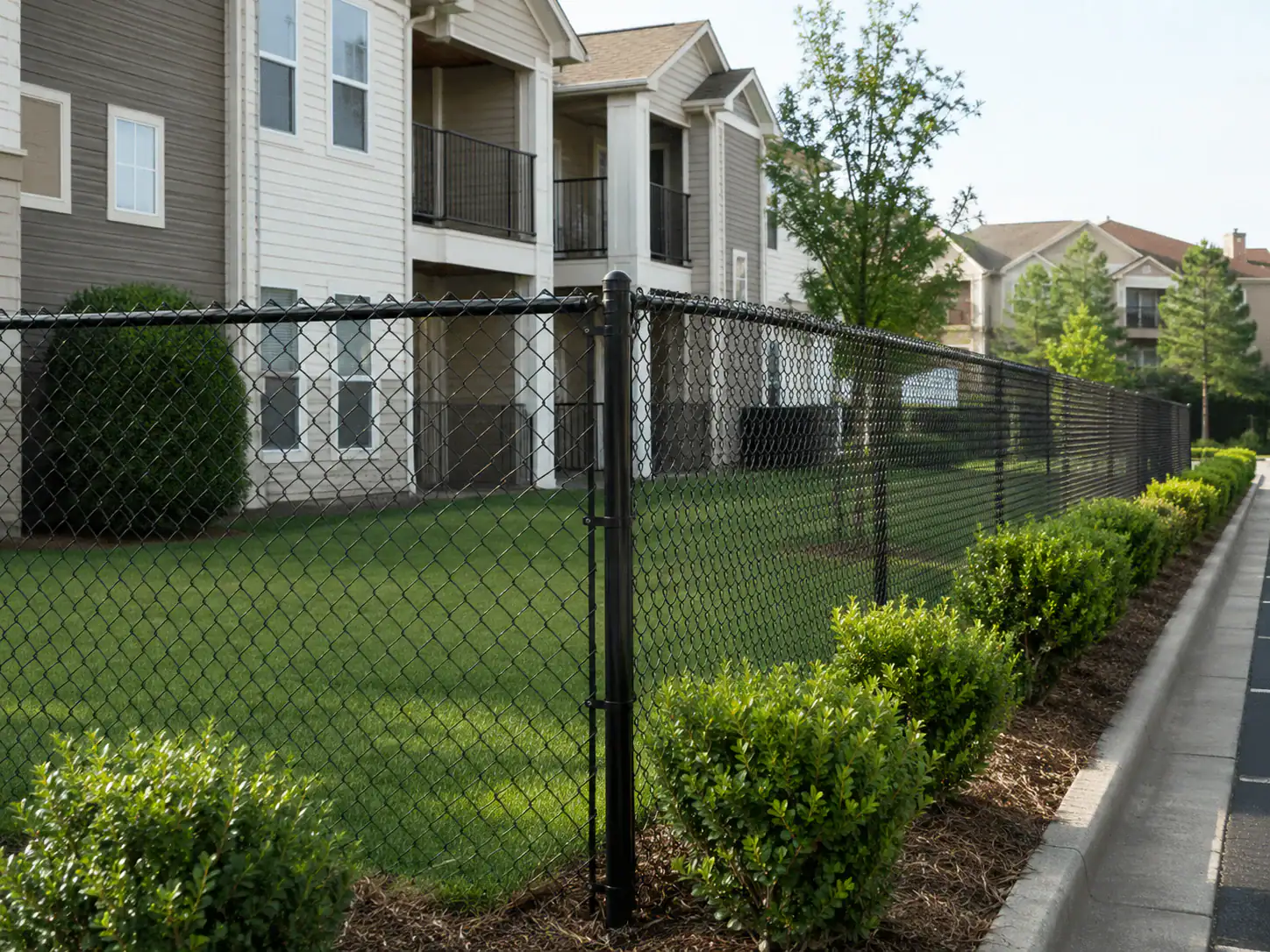
If your fence made it through another Long Island winter, summer is when you find out what it cost. The graying boards, the green tinge creeping up the vinyl, the post that shifted a little after that last nor’easter — it all comes into focus once you’re actually spending time in the yard again. And if you’re anywhere near the water, whether that’s the Great South Bay, Long Island Sound, or the Atlantic, you’re dealing with conditions that age a fence faster than most people realize. This guide walks you through what to look for, what to do, and when to call in a professional before small problems become expensive ones.
Fence Cleaning on Long Island: What Salt Air and Humidity Actually Do
Most homeowners think of fence cleaning as a cosmetic task. In Suffolk County, it’s closer to a maintenance necessity. Salt air deposits chloride ions on every exposed surface — wood, vinyl, aluminum — and those deposits don’t just sit there. They strip protective coatings, hold moisture against the material, and accelerate the kind of surface breakdown that shortens a fence’s useful life by years.
Add in Long Island’s summer humidity, which regularly hits 70 to 85 percent in July and August, and you’ve got ideal conditions for mildew and algae growth across every fence type. That green or black staining you see isn’t just ugly — on wood, it holds moisture against the grain and speeds up rot from the outside in.

How to Clean a Wood Fence Without Damaging It
The most common mistake homeowners make when cleaning a wood fence is reaching for the pressure washer and turning it up too high. High-pressure washing damages wood fibers, forces water deep into the grain, and leaves the surface more vulnerable to moisture — not less. For wood fences, a low-pressure rinse combined with a fence-appropriate cleaner or mild detergent is the right approach. Work top to bottom, let the cleaner dwell for a few minutes, and rinse thoroughly.
After cleaning, the fence needs to fully dry before you apply any stain or sealer — and on Long Island’s humid summer days, that can mean waiting 48 to 72 hours. Applying stain to damp wood is one of the most reliable ways to guarantee it peels within a season. Patience here is the difference between a treatment that lasts two or three years and one that fails by fall.
For South Shore properties along canal-front communities in Babylon or Islip, where ground moisture is a constant and salt air comes in off the Great South Bay, cleaning once a season is appropriate. The same goes for North Shore homeowners in Huntington or Northport, where wooded lots trap humidity and mildew conditions persist well into summer.
Wood that’s been neglected for several seasons may need more than a standard cleaning before it’s ready for treatment. If the surface has gone deeply gray or the grain feels rough and raised, a light sanding after cleaning can help the stain penetrate more evenly. It’s an extra step, but it makes a real difference in how long the finish holds.
Cleaning Vinyl and Aluminum Fences in Coastal Conditions
Vinyl fences have a reputation for being maintenance-free, and compared to wood, they largely are. But “low maintenance” isn’t the same as “no maintenance,” especially in Suffolk County. Salt air and UV exposure will cause lower-grade vinyl to chalk, fade, and develop surface staining over time. Mildew builds up in the textured grooves of many vinyl fence styles and won’t come off with a garden hose alone.
For vinyl, a soft brush, mild soap, and a standard garden hose pressure is usually enough to handle routine summer cleaning. For heavier mildew buildup, a diluted white vinegar solution or a vinyl-specific cleaner works well without damaging the surface. Avoid abrasive scrubbers — they leave micro-scratches that actually trap more dirt over time.
Aluminum fences handle Long Island’s coastal conditions better than most materials. Aluminum naturally forms a protective oxide layer that resists rust, and powder-coated finishes hold up well against salt air and UV. The hardware on aluminum fences — hinges, latches, fasteners — is where corrosion tends to show up first. Rinse aluminum fences regularly during summer, pay close attention to gate hardware after any storm, and replace any fasteners that show signs of corrosion before they fail completely.
For homeowners in East Hampton or Southampton, where property values are high and curb appeal is closely tied to how a home presents from the street, keeping a fence clean and well-maintained isn’t just about longevity — it’s about the impression your property makes.
Want live answers?
Connect with a Best Fence Long Island expert for fast, friendly support.
Fence Inspection Checklist for Suffolk County Properties
Cleaning gets your fence looking right. Inspection tells you whether it actually is right. The two aren’t the same, and skipping the inspection step is how small structural problems become full replacement jobs. Summer — specifically before the peak of hurricane season in August and September — is the right time to do a thorough walk of your fence line.
What you’re looking for goes beyond surface condition. You’re assessing whether the structure can hold up to what Long Island’s weather is capable of throwing at it. A fence that looks fine from the yard can have compromised posts, corroded hardware, or loose panel connections that won’t survive a serious storm.

How to Check Fence Posts for Rot and Shifting in Sandy Soil
Post integrity is the most important thing to assess, and it’s the thing most homeowners overlook because it’s not visible from the surface. In Suffolk County, particularly in Brookhaven and across the East End where sandy soil is the norm, fence posts face a specific challenge: sandy soil drains well but provides less lateral stability than clay-heavy soil. Posts in sandy ground are more susceptible to heaving from freeze-thaw cycles and gradual shifting over time.
To check a post, grip it near the base and apply firm lateral pressure in both directions. Any noticeable movement is a problem. Then look at the base where the post meets the ground — discoloration, soft spots, or a gap between the post and the surrounding soil are early signs of ground-contact rot. Wood posts that have been in the ground for five or more years without any protective treatment at the base are worth examining closely.
A leaning post is a structural warning, not just a cosmetic one. Straightening it without addressing what caused it to lean — whether that’s rot, heaving, or inadequate post depth — means it will lean again, and probably faster. If you find posts that are compromised, that’s not a DIY fix. It’s a job for someone who can assess whether the post can be reinforced or needs to be replaced entirely.
It’s also worth checking every gate post specifically. Gate posts carry more load than line posts because of the repeated stress of opening and closing, and they’re typically the first to show movement. A gate that’s started to sag or drag is almost always telling you the post has shifted.
When to Stain or Seal a Wood Fence on Long Island
Timing matters more than most people realize when it comes to fence staining. Wood stain and sealer need dry conditions and temperatures above 50 degrees Fahrenheit to cure properly. Long Island’s June through August window is genuinely ideal for this — warm temperatures, extended dry stretches, and enough daylight to work with. Wait too long into fall, and you’re racing against cooler temperatures and the start of nor’easter season.
The question of how often to stain depends on your fence’s exposure. For a wood fence on an inland Smithtown or Riverhead property with decent shade coverage, a quality penetrating stain might hold for two to three years. For a fence on a South Shore canal property in Islip or a bayside lot in Babylon — where salt air, direct sun, and ground moisture are all working against you simultaneously — annual inspection and reapplication every one to two years is more realistic.
When choosing a stain product, look for formulas that specifically include UV inhibitors and water repellents. On Long Island, UV exposure from south-facing fence panels is significant during summer, and a stain that doesn’t address UV degradation will gray and crack faster than one that does. Oil-based penetrating stains tend to outperform film-forming stains in coastal environments because they soak into the wood rather than sitting on top — which means they don’t peel when moisture moves through the wood grain.
The prep work — cleaning, drying, light sanding if needed — is what determines whether the stain penetrates properly or just sits on the surface and peels. Doing the staining right is a meaningful investment in your fence’s lifespan. Doing it wrong is an expensive way to learn that lesson.
If you’re not sure whether your fence needs staining, the water test is a reliable indicator. Splash a small amount of water on the wood surface. If it beads up, the existing sealer is still doing its job. If it soaks in immediately, the wood is unprotected and ready for treatment.
Protecting Your Long Island Fence Investment Before Storm Season Peaks
A fence in Suffolk County works harder than a fence almost anywhere else in the Northeast. Salt air, humidity, sandy soil, freeze-thaw cycles, and a hurricane season that runs through November — it’s a demanding environment, and a fence that doesn’t get consistent attention will show it. The good news is that the maintenance window you have right now, early to midsummer, is the best time of year to address all of it before conditions deteriorate.
Clean it, inspect it, treat it if it needs it. Catch the post that’s starting to move before a storm decides for you. It’s not complicated — but it does require actually doing it.
If you’re not sure what your fence needs, or you’d rather have a professional assess the structure before you invest in cleaning and staining, we’re here to help. We’ve been working with Suffolk County homeowners for over 15 years, and we know what Long Island’s coastal conditions do to a fence over time. Reach out to schedule a site visit — we’ll tell you honestly what we find.
Summary:
Table of Contents


Article details:
- Published by:
- Published to:
- Last modified:
- October 19, 2026
Share: