
Aluminum Fence Installation vs. Vinyl Options for Suffolk County Homes
Not sure whether aluminum or vinyl fencing is right for your property? Here’s what Long Island homeowners actually need to know before committing.
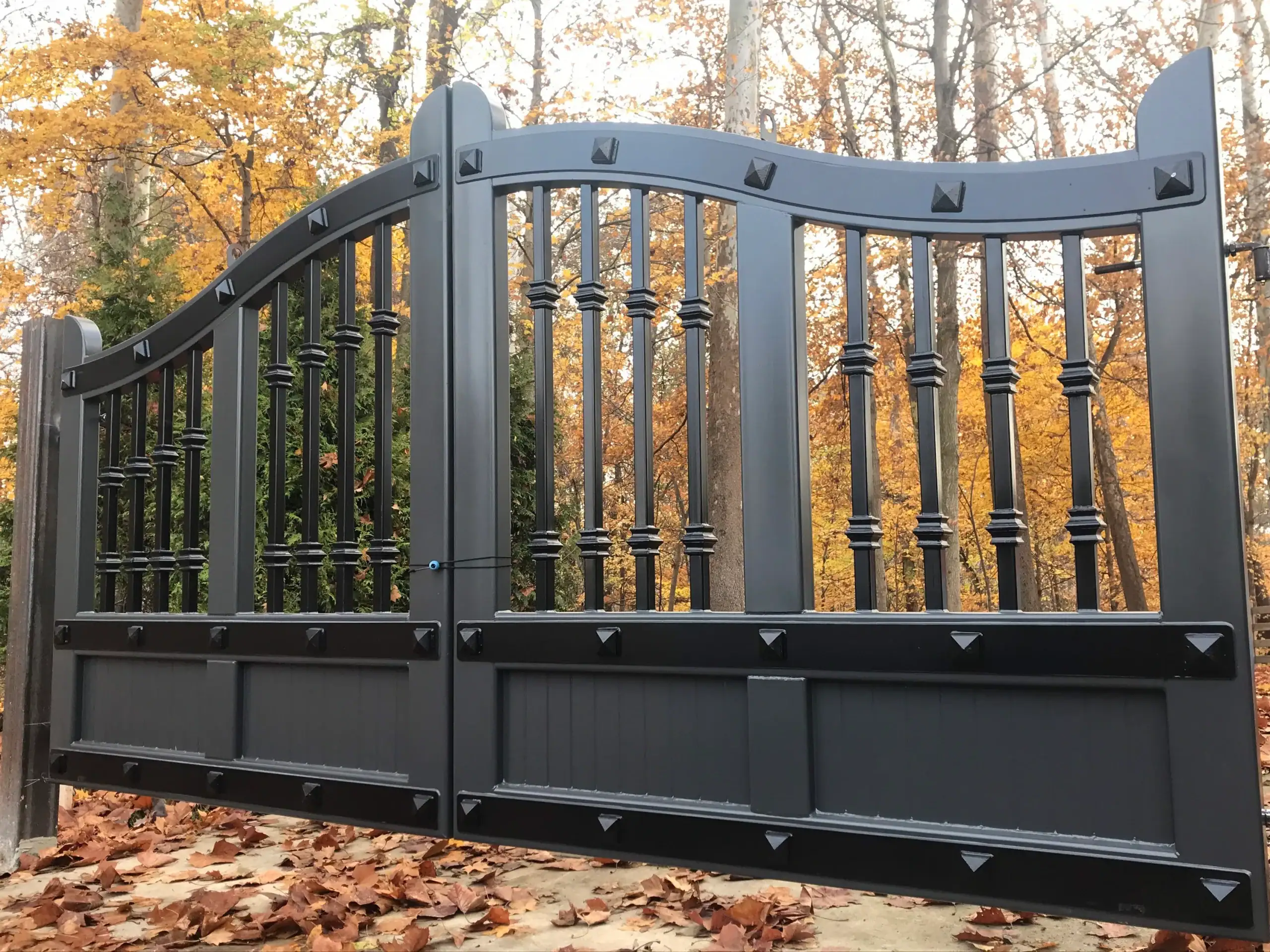
You’ve done some searching. You’ve seen the generic pros-and-cons lists. And you still aren’t sure whether aluminum or vinyl is the right call for your yard. That’s fair — most of what’s out there doesn’t account for where you actually live.
Suffolk County isn’t Phoenix. It isn’t Atlanta. It’s coastal, it’s windy, it gets hard freezes, and it has ten separate towns each with their own permit rules. The material that works beautifully in a mild climate can give you real headaches here. So before you commit to anything, here’s a straight look at both options — what they cost, how they hold up, and what actually matters when you’re making this decision on Long Island.
Vinyl Gate Installation Cost on Long Island: What You’re Actually Looking At
Vinyl fencing on Long Island runs $28–$45 per linear foot installed, and that range moves depending on fence height, style, and how accessible your property is. A vinyl gate adds to that — and it’s one of the line items that surprises homeowners most when they see a final invoice that doesn’t match the original quote.
Gate pricing varies based on width, hardware, and whether it’s a single swing or a double drive gate. What matters most is that it shows up as a separate, itemized line on your quote — not buried in a lump sum. If a contractor gives you one number for the whole job with no breakdown, that’s worth asking about before you sign.

What Drives Vinyl Gate Costs Higher Than Homeowners Expect
A few things tend to push vinyl gate costs beyond the initial estimate, and they’re worth knowing about upfront. The first is old fence removal. If you have an existing fence coming down, that typically runs $3–$7 per linear foot. On a 200-foot run, that’s $600–$1,400 added to the project — sometimes quoted separately, sometimes not quoted at all until demo day.
The second factor is post reinforcement. Vinyl gates, especially double drive gates, put real stress on the posts they’re hung from. On Long Island, where nor’easters and strong coastal winds are a regular part of life, posts need to be set deep and packed in concrete. A contractor who skips on concrete depth to save time is setting you up for a sagging gate within a few seasons. Customers in this area consistently flag this as a concern — and rightfully so.
The third factor is hardware. Standard vinyl gate latches and hinges are fine for a backyard pedestrian gate. If you’re looking at a driveway gate or a pool enclosure gate, the hardware requirements are different — and New York State has specific latch and self-closing requirements for pool fences that your contractor needs to build to. Not every installer accounts for this in the initial quote.
One more thing worth flagging: vinyl panel replacement after storm damage runs $250–$400 including labor. That’s not a dealbreaker, but it’s a real number to keep in mind when you’re weighing the long-term cost of vinyl versus aluminum. Color-matching replacement panels can also be a challenge if the original product line has been discontinued — something that comes up more than people expect after five or ten years.
The honest answer is that vinyl is a solid, low-maintenance material that works well for privacy fencing on Long Island. The costs are predictable when you get an itemized quote. The surprises come when you don’t.
Why the Free Gate Offer Changes the Math on Vinyl Fencing
If you’re already leaning toward vinyl, there’s something worth knowing before you start comparing contractors. We include a free gate with every vinyl fence installation of 100 feet or more. That’s not a discount off an inflated price — it’s a gate, installed, included in the project.
For most residential properties in Centereach, Ronkonkoma, Selden, or Lake Grove — where a typical quarter-acre to half-acre lot runs 150–200 linear feet of perimeter fencing — a gate is part of the job regardless. Getting it at no additional cost is a real difference in what you spend.
We mention this not as a sales pitch but because it directly affects how you should be comparing quotes. If you’re getting three estimates and one of them doesn’t include the gate, you’re not comparing the same job. Ask every contractor what’s included — removal, gate, hardware, concrete, permit — and get it in writing. That’s the only way to make a fair comparison.
We provide itemized written quotes on every project, and the price we quote is the price you pay. No additions at the end. No surprises when the invoice arrives. That’s how we’ve operated for over 15 years, and it’s the standard we hold ourselves to on every job in Suffolk County.
Want live answers?
Connect with a Best Fence Long Island expert for fast, friendly support.
Aluminum Fence Installation in Suffolk County: Where It Makes More Sense
Aluminum ornamental fencing runs $30–$50 per linear foot installed on Long Island — slightly higher than vinyl in most cases, but not dramatically so. The real difference shows up over time, not on the initial invoice.
Aluminum lasts 30–50+ years. Vinyl typically runs 20–30. A bent aluminum picket costs $75–$150 to replace. A storm-damaged vinyl panel runs $250–$400. Over the life of the fence, aluminum often comes out ahead — and professional appraisals put aluminum fencing’s return on investment at 40–55%.
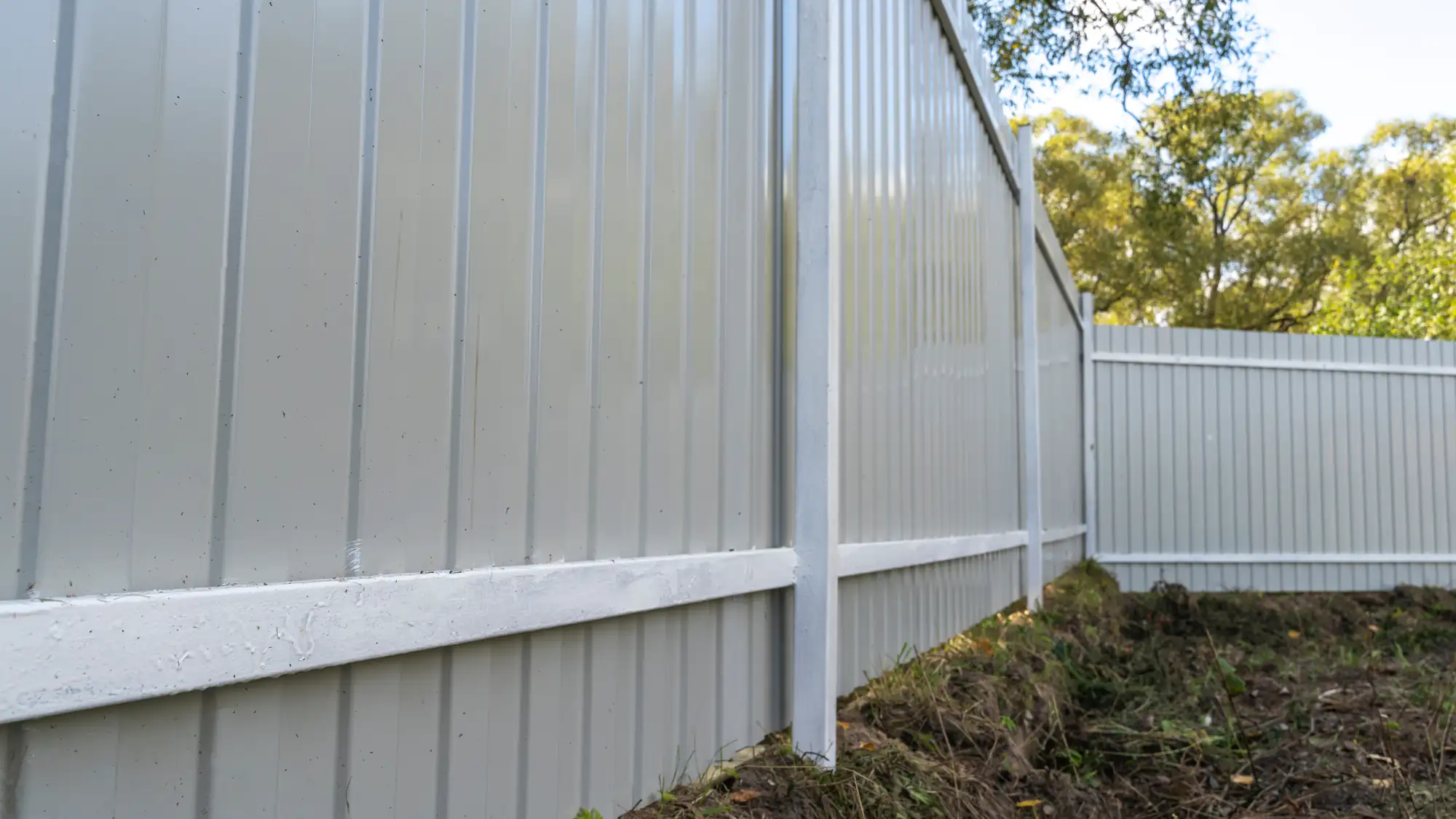
How Long Island’s Coastal Environment Affects Your Fence Material Choice
This is where geography actually matters. Much of Suffolk County sits within range of the Long Island Sound to the north and the Great South Bay and Atlantic Ocean to the south. Salt air is a real factor — not a hypothetical one. Steel and wrought iron corrode in coastal environments. Aluminum with a protective powder-coat finish doesn’t. That’s not a marketing claim; it’s just how the material behaves.
Freeze-thaw cycles are another consideration. Long Island falls in USDA Zone 7a, which means hard winters with repeated freezing and thawing. Vinyl can become brittle in extreme cold and is more vulnerable to cracking under impact. Aluminum holds its structure through temperature swings without warping or cracking.
Wind load is the third factor. Solid vinyl privacy panels act like a sail in high winds. An open-picket aluminum fence lets wind pass through, which is why aluminum holds up better after nor’easters and tropical storm events. If your property is exposed — backing to an open field, near the water, or on a corner lot — this is worth thinking about before you choose a material.
Pool enclosures are another area where aluminum consistently outperforms. New York State requires pool fences to meet specific height and latch requirements. Aluminum’s open-picket design provides visibility into the pool area, it doesn’t corrode around water, and it meets code requirements cleanly. It’s the dominant choice for pool enclosures across Suffolk County for good reason.
None of this means vinyl is the wrong choice. For a backyard privacy fence in Smithtown or Patchogue, vinyl is practical, durable, and lower-maintenance than wood. But if you’re near the water, dealing with a high-wind exposure, or enclosing a pool, aluminum is usually the stronger call — and it’s worth having that conversation before you decide.
Fence Permits in Suffolk County: What You Need to Know Before Installation Starts
This is the part most homeowners don’t think about until something goes wrong. Suffolk County is made up of ten separate towns — Babylon, Brookhaven, East Hampton, Huntington, Islip, Riverhead, Shelter Island, Smithtown, Southampton, and Southold — and each one has its own building department with its own fence permit requirements. What’s required in Islip isn’t necessarily the same as what’s required in Smithtown or Brookhaven.
Most towns require a permit for fences over a certain height, particularly in front yards. Getting that wrong — or skipping the permit entirely — can result in a stop-work order, a fine, or in the worst cases, being required to remove a fence you just paid to install. It happens. And it happens more often when homeowners hire contractors who don’t bother to check.
We handle permit paperwork for all Suffolk County towns as part of every project. We research the requirements for your specific address, pull the permit, and manage the process so you don’t have to navigate a building department on your own. That’s not something every fence contractor offers — and based on what we hear from homeowners who’ve dealt with the alternative, it’s something worth asking about before you hire anyone.
A few other things that matter on the permit front: pool fence installations have their own code requirements under New York State law, and HOA rules in some communities add another layer on top of municipal requirements. If your property has an HOA, we’ll factor that in from the start. The goal is to have your fence installed correctly, on the first try, without any surprises from the town after the fact.
We’ve been doing this in Suffolk County for over 15 years. We know the towns, we know the rules, and we know how to get a project permitted and completed without dragging the homeowner into the middle of it.
Choosing the Right Fence for Your Suffolk County Property
Aluminum and vinyl are both solid choices for Long Island homeowners — the right one depends on your property, your priorities, and what you’re actually trying to accomplish. Vinyl makes sense for privacy, comes in at a competitive price point, and is low-maintenance over time. Aluminum holds up better in coastal and high-wind conditions, lasts longer, and is the go-to for pool enclosures and ornamental applications.
What matters most, regardless of material, is getting a quote that tells you the real number — removal, gate, hardware, permit, and all. And working with a contractor who handles the details, not one who hands them back to you.
If you’re ready to get a straight answer on what your project will actually cost, reach out to Best Fence Long Island. We’ll come out, walk the property, and give you an itemized written quote — no pressure, no hidden fees, and no number that changes between the estimate and the invoice.
Summary:
Table of Contents


Article details:
- Published by:
- Published to:
- Last modified:
- October 19, 2026
Share: