Vinyl vs. Wood vs. Aluminum: Which Fence Wins in Suffolk County?
Not sure which fence material is right for your Long Island yard? Here’s an honest breakdown of vinyl, wood, and aluminum — costs, durability, and all.
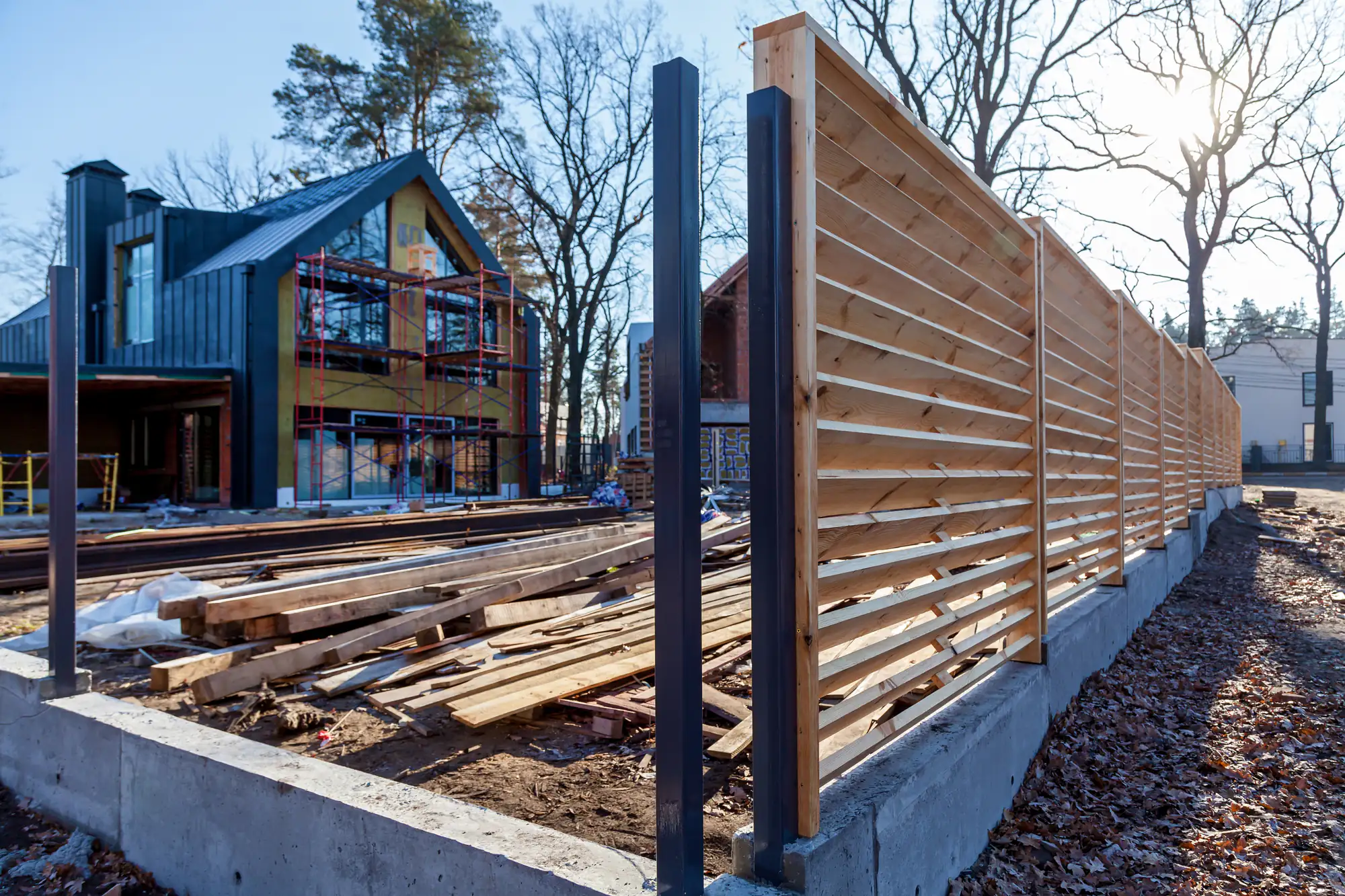
You’re not just picking a fence. You’re picking something that has to survive nor’easters, salt air off the Great South Bay, and winters that freeze the ground solid. What works fine in Georgia or Arizona can fail fast out here on Long Island.
The good news: there’s a clear answer for most homeowners — you just need the right information to get there. We’ve been installing fences across Suffolk County for over 15 years, and we’ve seen what holds up and what doesn’t. This breakdown covers the real costs, the honest trade-offs, and what Long Island’s environment actually demands from each material.
Vinyl Fence Installation Cost: What Suffolk County Homeowners Are Actually Paying
Vinyl fence installation in Nassau and Suffolk Counties typically runs between $28 and $55 per linear foot installed — materials and labor combined. For an average residential project, that puts most homeowners somewhere between $4,000 and $7,500 depending on fence height, style, and the total footage involved.
That’s more than a basic wood fence upfront. But the upfront number is only part of the story, and it’s usually the part that leads people to make a decision they regret a few years later.
Why Vinyl Tends to Win the Long-Term Cost Comparison on Long Island
Here’s the math most contractors don’t walk you through. A 150-foot cedar fence might cost $3,000 to $5,000 to install. Sounds reasonable. But cedar in a coastal environment needs to be stained or sealed every two to three years — and if you skip a cycle, you’re looking at accelerated rot, especially at the post-ground interface where moisture sits after every rain. Add in the cost of replacing individual boards, touching up hardware, and eventually pulling the whole thing out when it hits year 12 or 13, and that “cheaper” wood fence has often cost $8,000 to $11,000 over a decade.
Vinyl doesn’t need staining. It doesn’t need sealing. A quick rinse with a garden hose is about as involved as the maintenance gets. Over the same 10-year window, the total cost of ownership is dramatically lower — even when the installation price is higher.
There’s also the salt air factor that’s specific to this part of Long Island. Communities like Babylon, Islip, and Smithtown aren’t right on the water, but they’re close enough that salt spray travels. It gets into wood grain, it accelerates weathering, and it shortens the lifespan of anything that isn’t properly sealed on a consistent schedule. Vinyl is completely impervious to it. The material doesn’t absorb moisture, doesn’t corrode, and doesn’t react to the coastal air the way wood does.
One thing worth knowing: not all vinyl is the same. Thin-wall, builder-grade vinyl can crack in a hard freeze — and Long Island winters will test it. The vinyl we use is American-made, with wall thickness and UV stabilization built for northeastern climates. That’s not a marketing distinction. It’s the difference between a fence that looks great in year 15 and one that’s brittle and discolored by year seven.
Vinyl fence lifespan typically runs 20 to 30 years with minimal upkeep. For most Suffolk County homeowners, that means installing it once and not thinking about it again.
How Deep Do Vinyl Fence Posts Need to Be Set in Suffolk County Soil?
This is where installation quality separates a fence that lasts from one that leans after the second winter. Long Island’s frost line sits at roughly 36 to 42 inches deep. If posts aren’t set below that depth — properly concreted and backfilled — the freeze-thaw cycle will heave them out of the ground. It doesn’t happen all at once. It happens gradually, winter by winter, until the fence is visibly tilting and the panels are stressed.
Standard industry practice calls for posts to be buried at least one-third of their total length. In a frost-prone climate like ours, that means going deeper — typically three to four feet — with concrete around the base of every post. The concrete volume matters too. Undersized footings shift over time, especially in the sandy, loamy soil common across much of Suffolk County.
When we quote a vinyl fence installation, the quote specifies post depth, post spacing, and concrete volumes in writing. Not because we expect you to verify it yourself, but because a contractor who knows what they’re doing isn’t vague about it. If you’re comparing quotes and one of them doesn’t tell you how deep the posts are going, that’s worth asking about before you sign anything.
We also handle utility locating before any post goes in. New York’s 811 service is required by law, and Suffolk County’s suburban neighborhoods have dense underground infrastructure — gas lines, water mains, cable, electric. Skipping that step isn’t just illegal; it’s a real risk. It’s part of our standard process, not an add-on.
Post spacing for vinyl typically runs six to eight feet on center. In higher-wind coastal areas — communities closer to the South Shore or along the Sound — we lean toward tighter spacing to reduce panel stress during storm events. It’s a small detail that makes a meaningful difference when a nor’easter comes through.
Want live answers?
Connect with a Best Fence Long Island expert for fast, friendly support.
Wood Fence Installation Cost vs. Aluminum Fence Installation Cost in Suffolk County
Wood and aluminum occupy different ends of the use-case spectrum, but homeowners often end up comparing them directly because both can look great and both have legitimate advantages depending on what the fence needs to do.
Wood fence installation in Suffolk County generally runs $20 to $45 per linear foot installed, making it the most affordable upfront option. Aluminum typically falls between $30 and $60 per linear foot installed — closer to vinyl in price, and in some configurations, it overlaps with it entirely.
Wood Fence Installation: Where It Makes Sense and Where It Doesn’t
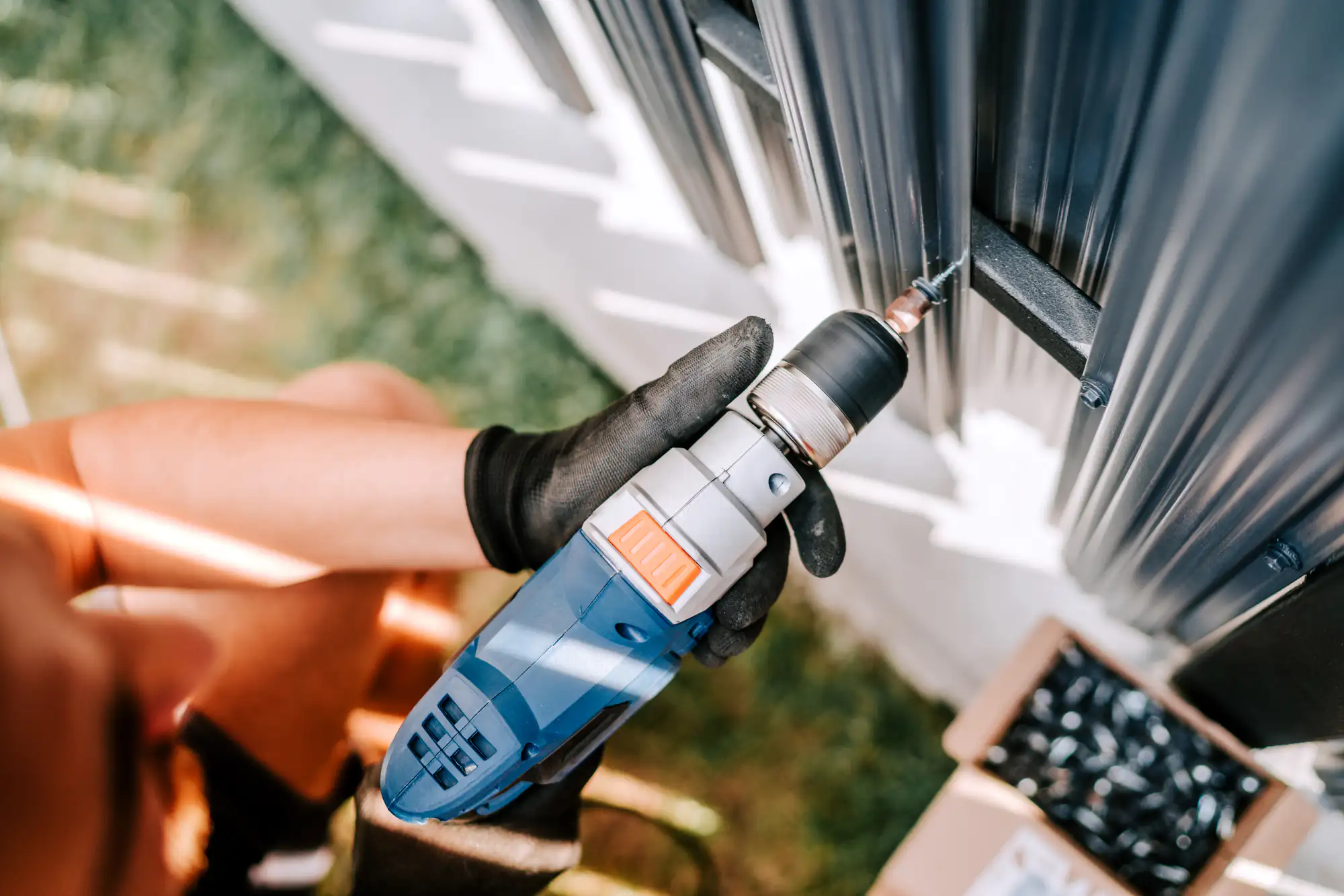
Wood has a genuinely appealing case. It’s natural, it’s warm, it’s customizable in ways vinyl and aluminum aren’t — you can paint it any color, adjust board spacing, and build styles that don’t exist as standard panel configurations. For homeowners who want a specific aesthetic and are willing to maintain it, wood is a legitimate choice.
The honest caveat is this: wood in a Long Island coastal environment requires consistent attention. Cedar is the most common choice for residential privacy fencing, and it holds up reasonably well — but “reasonably well” means staining every two to three years without fail, replacing boards that rot at the base, and eventually dealing with post failure when the wood at ground level deteriorates. In communities closer to the water — parts of Babylon, Islip, or anywhere along the South Shore — that timeline compresses.
If you’re replacing an old wood fence that lasted 10 or 12 years and looked rough for the last three, that’s a very common story in Suffolk County. The fence did its job, but the maintenance caught up with the homeowner. That’s usually the moment people start looking seriously at vinyl.
Where wood still wins: when aesthetics are the top priority, when the property has an architectural style that genuinely suits a painted or stained wood fence, or when budget is the primary constraint and the homeowner understands the maintenance commitment. We work with wood, we know how to install it properly, and we’ll give you an honest read on whether it’s the right call for your specific situation.
What we won’t do is sell you a wood fence without explaining what the next 10 years look like. That conversation is part of our process.
Aluminum Fence Installation: The Right Choice for Pools, Front Yards, and Coastal Properties
Aluminum gets overlooked in the privacy fence conversation because it’s an open-style material — you can see through it. But for a large portion of Suffolk County homeowners, that’s exactly what they need.
New York State pool fencing code requires a minimum height of 48 inches, with self-closing and self-latching gates. Aluminum meets that standard cleanly and it’s the dominant material for pool enclosures across Long Island for good reason: it doesn’t rust, it handles the chemical and moisture environment of a pool area without degrading, and it looks sharp without requiring any real maintenance. If you have a pool in Huntington, Brookhaven, or anywhere in between, aluminum is almost certainly the right answer for the pool perimeter.
Aluminum fence installation also performs exceptionally well in coastal conditions. Unlike wrought iron — which corrodes quickly near salt air — aluminum forms a natural oxide layer that protects it from the environment. It doesn’t need painting, it doesn’t rust, and its lifespan typically exceeds 20 years. For front yards where curb appeal matters and a solid privacy fence would feel imposing, aluminum ornamental fencing strikes the right balance between defined boundaries and open sight lines.
The price range for aluminum — $30 to $60 per linear foot installed — puts it in the same conversation as vinyl for many projects. The deciding factor usually comes down to what the fence needs to do. If you need full privacy, vinyl is the better fit. If you need a clean, durable boundary that meets code, frames a pool, or enhances a front yard without blocking the view, aluminum is hard to beat.
One thing worth noting for homeowners in towns like Southampton or East Hampton: aluminum estate fencing for larger residential properties is a different category than standard residential aluminum. Panel heights, post sizing, and decorative options are all different at that scale. We handle both, and the quote process is the same — itemized, detailed, and specific to your property.
Which Fence Is Right for Your Suffolk County Property?
For most Long Island homeowners, vinyl wins — not because it’s the flashiest option, but because it handles the environment here better than anything else at a comparable price point over time. Salt air, frost heaving, nor’easters, and humidity are facts of life in Suffolk County, and vinyl doesn’t flinch at any of them.
Wood makes sense when aesthetics are the priority and the maintenance commitment is real. Aluminum is the clear choice for pools, front yards, and properties where an open look is the goal. The right answer depends on your property, your priorities, and what you want the fence to do for the next 20 years.
What doesn’t change regardless of material is the installation. Post depth, concrete volume, property line verification, utility locating — these details determine whether a fence survives Long Island winters or starts leaning by year three. If you’re ready to get a straight answer on what makes sense for your yard, reach out to us. We’ll walk you through it.
Summary:
Table of Contents
Article details:
- Published by:
- Published to:
- Last modified:
- July 16, 2026
Share: