
5 Metal Fence Installation Mistakes That Cost Thousands
A metal fence is a serious investment. Here’s what Suffolk County homeowners get wrong — and what it ends up costing them.
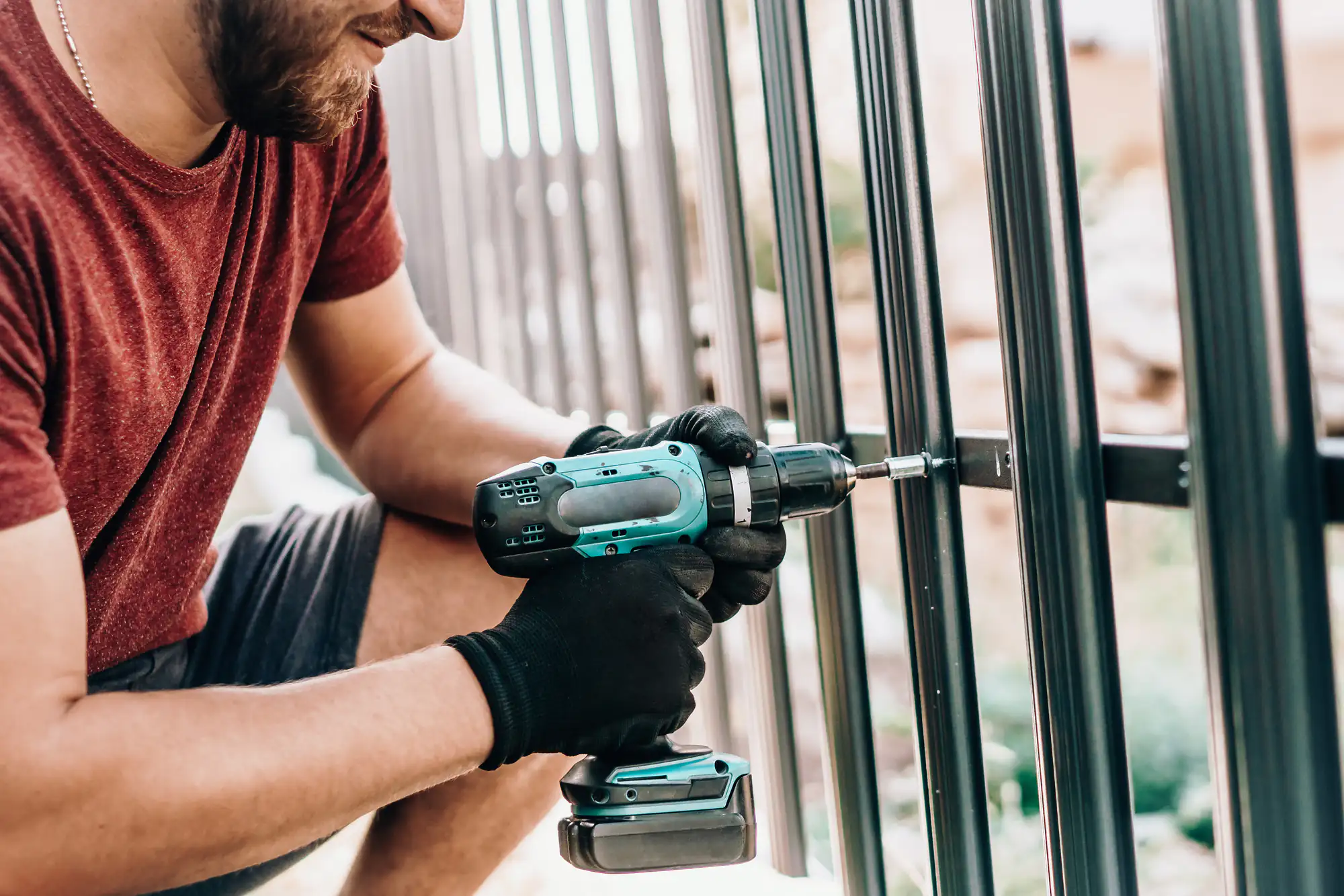
A metal fence is one of the better investments you can make in a Suffolk County home. It holds up against salt air, survives Long Island winters, and adds real curb appeal — especially in a real estate market where first impressions matter. But the installation itself? That’s where things can go sideways fast. The mistakes aren’t always obvious in the moment. Some don’t show up until the first nor’easter. Others surface when you try to sell the house. This page walks through the five most expensive ones — and what it looks like when the job is actually done right.
Professional Metal Fence Installation: What It Actually Involves
Most homeowners assume fence installation is mostly physical labor — dig some holes, set some posts, attach the panels. The reality is that the work happening before anyone picks up a shovel is what separates a fence that lasts twenty years from one that leans after the first hard freeze.
A proper installation starts with a site visit. That means measuring the property, identifying grade changes, verifying where your property line actually sits, and locating underground utilities before anything gets dug. On Long Island, where sandy South Shore soils and clay-heavy North Shore soils behave very differently, knowing the ground you’re working with matters. So does knowing the specific rules for whichever of Suffolk County’s ten towns your property falls in — because Islip’s fence code is not the same as Southampton’s, and assuming otherwise is a mistake that costs real money.
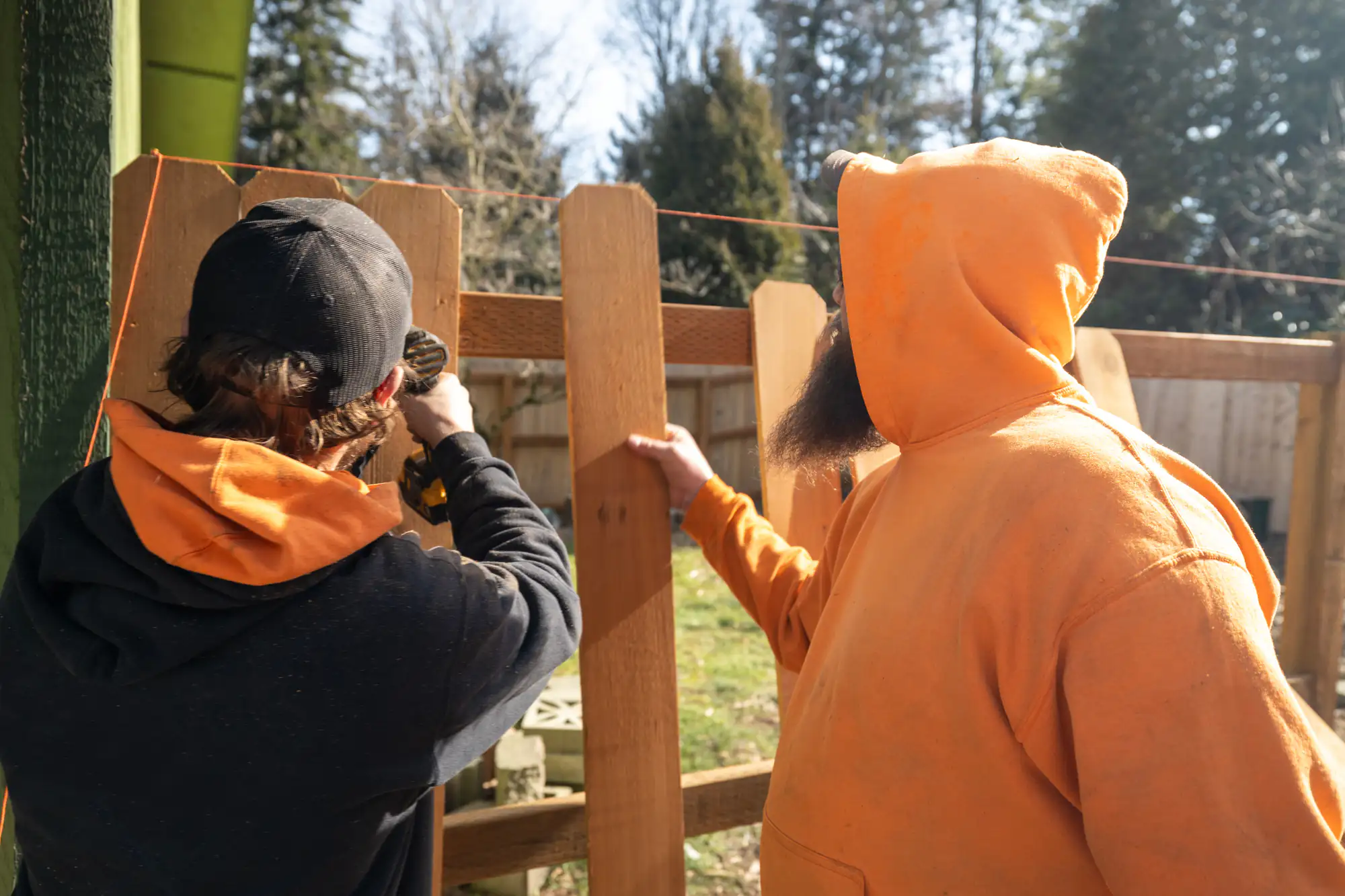
Why Professional Fence Installation Professionals Require More Than a Strong Back and a Post Digger
Metal fencing — whether aluminum, ornamental steel, or chain link — has specific installation requirements that general handymen and landscapers who dabble in fence work often underestimate. The post hole dimensions need to match the post size. The concrete volume has to be sufficient for the load. The panel alignment requires tools and technique to get right, and gate installation is its own discipline entirely. A gate that’s hung slightly off-plumb will sag and bind within a season.
Then there’s the coastal factor. Suffolk County isn’t an inland market. Salt air off the Long Island Sound and the Atlantic accelerates corrosion on anything that isn’t properly coated or specified for the environment. Hardware matters as much as the fence itself — stainless and corrosion-resistant fasteners aren’t optional here, they’re the baseline. A contractor who sources standard hardware because it’s cheaper is building you a fence that looks fine on day one and starts failing by year three.
The tools required for proper metal fence installation — commercial-grade post hole equipment, concrete mixing capacity, alignment systems for long runs — aren’t things most people have in a garage. DIY installation can save 30 to 50 percent on labor upfront, but that math changes quickly when posts shift, panels go out of alignment, or a gate stops latching. Remediation costs more than getting it right the first time, almost without exception.
We’ve spent over 15 years installing fences across Suffolk County, and the calls we get most often aren’t from people starting fresh — they’re from homeowners fixing someone else’s work. The pattern is consistent: the original job cut corners somewhere, and the corner that got cut is now the problem.
Post Depth and Concrete: The Part of Your Fence You’ll Never See But Will Definitely Feel
If there’s one technical detail that determines whether a metal fence survives Long Island conditions, it’s post depth. Posts need to be set a minimum of 30 to 36 inches deep, ideally below the frost line — which on Long Island can extend to 48 inches in a hard winter. Posts that don’t reach below that depth will heave as the ground freezes and thaws, gradually shifting the fence out of alignment until panels separate, gates won’t close, and the whole structure looks like it’s leaning away from something.
Concrete volume matters just as much as depth. It’s not enough to drop a post in a hole and pack dirt around it. Proper concrete backfill, mixed to the right consistency and poured to the right volume for the post size and soil conditions, is what anchors the fence against wind loads. Suffolk County gets nor’easters — sustained winds of 40 to 60 miles per hour are not unusual during a serious storm. Posts set with insufficient concrete don’t survive those events. Posts set correctly do.
There’s also the curing window. Concrete needs 24 to 48 hours to cure before fence panels are attached. Rushing that step — which happens when a crew is trying to finish a job in one day — means the posts aren’t fully anchored when the load goes on them. The fence may look fine when the crew leaves, but the structural integrity isn’t there.
When we quote a job, the estimate specifies concrete volumes along with post spacing and depth. That level of detail isn’t just transparency — it’s a record of what the installation actually includes, so there’s no ambiguity about what you’re getting and no shortcuts taken after the contract is signed.
Want live answers?
Connect with a Best Fence Long Island expert for fast, friendly support.
Fence Installation Permits in Suffolk County: The Mistake That Follows You to Closing
Skipping the permit is probably the most common fence installation mistake in this market — and the most likely to surface at the worst possible time. In Suffolk County, where ten different towns each set their own fence regulations, the odds of getting something wrong without local knowledge are genuinely high.
The financial consequences aren’t theoretical. Stop-work orders, fines, and required demolition happen. But the one that stings the most tends to come later: an unpermitted fence discovered during a home sale. Buyers’ attorneys flag it, the deal stalls, and you’re either pulling the fence down or renegotiating the price. On a Suffolk County property, that negotiation isn’t happening over small numbers.
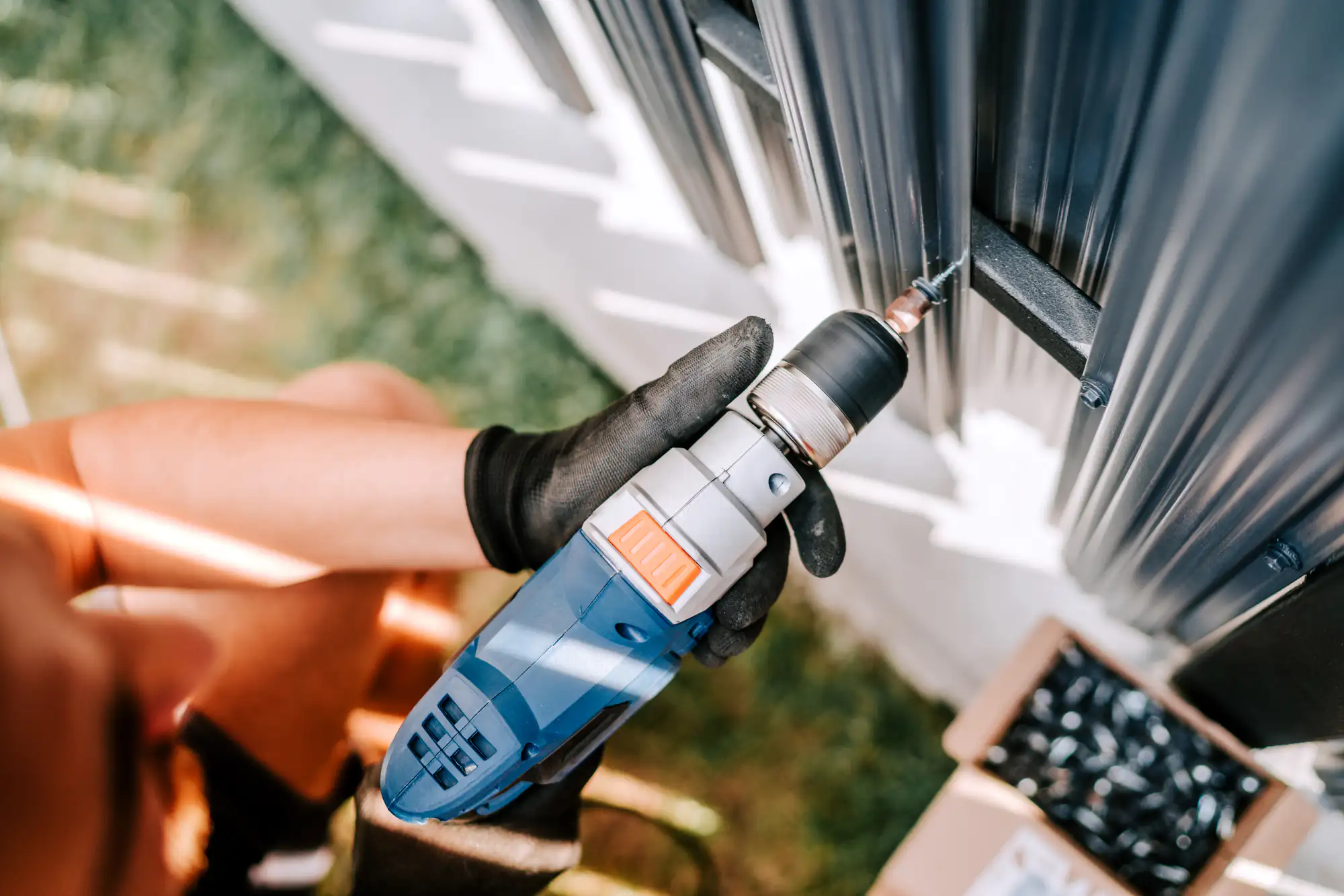
How Suffolk County’s Town-by-Town Fence Rules Create Permit Problems for Homeowners
This is the part that trips people up most. Suffolk County isn’t governed by a single set of fence codes — it’s governed by ten towns, each with its own building department and its own rules. What’s legal in Huntington may not be legal in Southampton. What requires a permit in Brookhaven may have different thresholds in Smithtown.
To give you a sense of the variation: in the Town of Islip, fences can’t exceed six feet above ground, and front yard fences are capped at four feet when set back less than 15 feet from the street property line. In Southampton, a building permit is required for any fence over four feet — not six — and fences over six feet simply aren’t permitted. Properties near wetlands in Southampton require Conservation Board approval for any fence installation, regardless of size. That’s a detail that catches people off guard, particularly on the South Shore and along the North Fork where tidal wetland boundaries aren’t always obvious from a property survey.
Pool enclosure fencing adds another layer. Suffolk County has one of the highest rates of residential in-ground pool ownership in the country, and pool fencing must meet specific safety codes — self-closing, self-latching gates, minimum height requirements, no gaps that allow child access — on top of the standard permit requirements. Those codes are enforced, and they vary by town.
We handle the permit process for every job we take on. That means we know which building department to file with, what the height restrictions are for your specific property and yard position, whether your lot triggers any wetlands review, and what the inspection requirements look like after installation. It’s not a service we offer as an add-on — it’s part of how we do the work.
Property Lines and Utility Lines: Two Things You Must Verify Before Any Digging Starts
These are two separate issues, but they share a common thread: skipping either one can turn a straightforward fence installation into a serious and expensive problem.
Property line errors are more common than most homeowners expect. People assume they know where their lot ends — based on where the grass changes, where the neighbor’s shrubs are, where the old fence used to be. None of those are reliable indicators. A professional survey is the only way to know for certain, and the cost of one — typically $200 to $1,200 — is a fraction of what it costs to relocate a fence that was installed on the wrong side of the line. Beyond the financial cost, there’s the neighbor relationship. A fence dispute is one of the faster ways to make living next door to someone uncomfortable for years.
Utility strikes are a different category of problem. Hitting a buried gas line, electrical conduit, or water main while digging post holes is dangerous, it’s expensive, and in New York it’s also illegal if you didn’t call first. Dig Safely New York — reached by dialing 811 — is the state’s utility marking service, and it’s required by law before any ground is broken. The service marks buried lines so they can be avoided. It requires at least two business days’ notice, which means you can’t call in the morning and dig in the afternoon. Contractors who skip this step are cutting a corner that puts people at risk.
We call 811 on every job, without exception. We also verify property lines during our site visit before any layout is finalized. These aren’t extra steps — they’re the baseline for doing the job responsibly. The fact that not every contractor treats them that way is part of why fence installation mistakes are as common as they are.
How to Get Metal Fence Installation Right in Suffolk County
The five mistakes covered here — insufficient post depth, skipped permits, wrong materials for coastal conditions, ignored property lines, and unlocated utilities — aren’t rare edge cases. They’re the calls we get regularly from homeowners dealing with the aftermath of a job that cut corners somewhere.
The good news is that none of them are complicated to avoid. They require local knowledge, the right process, and a contractor who doesn’t skip steps when the schedule gets tight. That’s what 15 years of working specifically in Suffolk County looks like in practice: knowing the soil, knowing the towns, knowing what Long Island weather does to a fence that wasn’t built for it.
If you’re planning a metal fence installation and want to know exactly what the job involves — what it will cost, how deep the posts will go, which permits apply to your property, and what the finished product will hold up against — reach out to Best Fence Long Island. We’ll give you a straight answer and an itemized quote that tells you precisely what you’re getting.
Summary:
Table of Contents
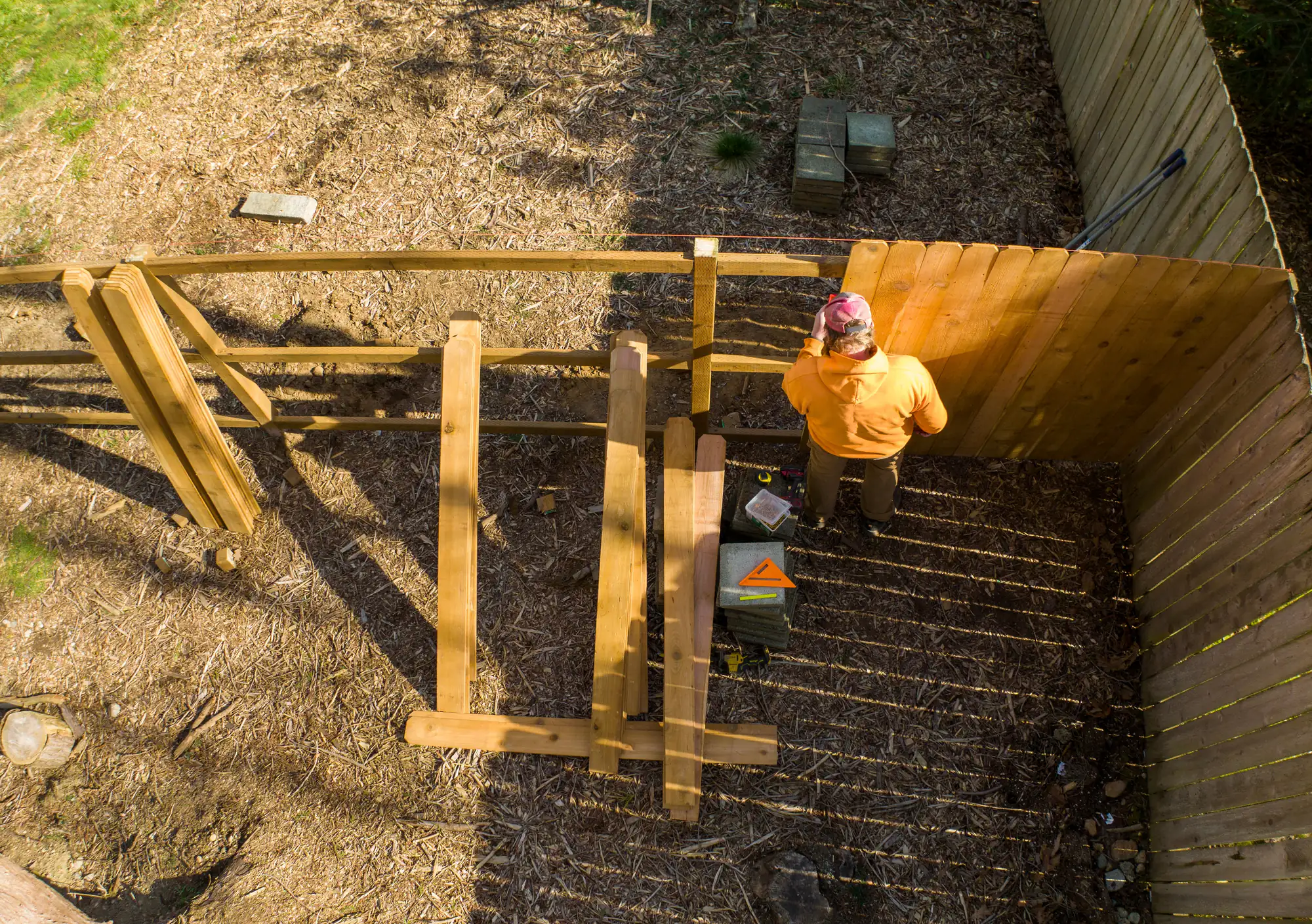
Article details:
- Published by:
- Published to:
- Last modified:
- July 16, 2026
Share: