DIY vs Professional Fence Installation: True Cost Analysis
DIY fence installation looks cheaper on paper. Here’s what the full picture actually looks like before you rent an auger and start digging.
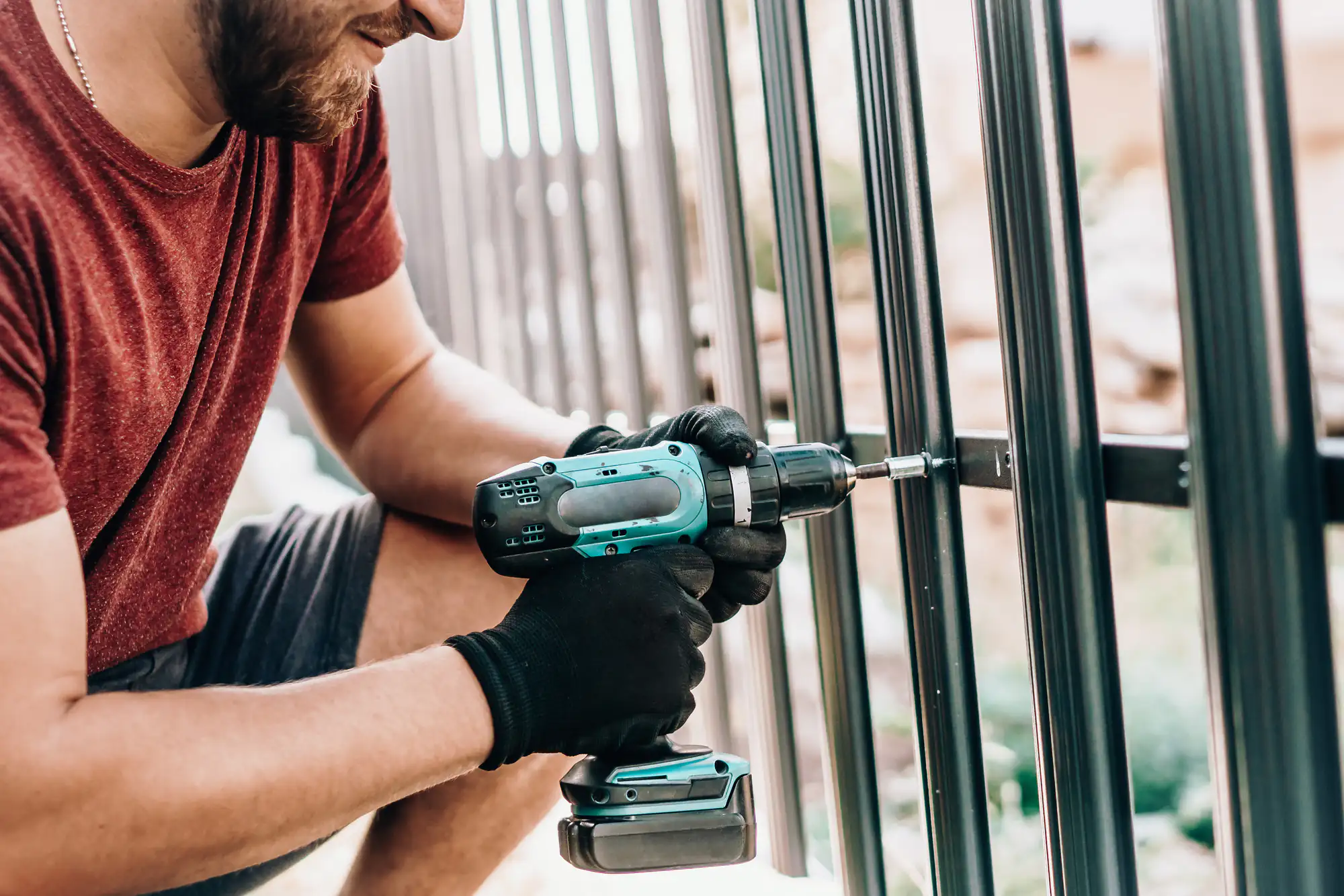
You’ve probably looked up fence prices online, seen what materials cost at the home improvement store, and thought — how hard can this be? It’s a reasonable question. Labor is expensive, and if you’re handy, doing it yourself seems like a smart way to save a few thousand dollars.
But there’s a gap between what DIY fence installation costs on paper and what it actually costs once you factor in tools, time, permit complications, and the very real possibility of fixing something that didn’t go right the first time. This breakdown covers all of it — specific to Suffolk County, NY — so you can make a genuinely informed call.
DIY Fence Installation: What You’re Actually Signing Up For
Installing a fence yourself is doable. Plenty of homeowners have done it. But “doable” and “cost-effective” aren’t always the same thing, and the gap between the two is where most DIY fence projects run into trouble.
Before the first post goes in the ground, you’re looking at planning the layout, calling 811 to locate underground utilities, pulling a permit from your town’s building department, and verifying your property line. That’s before you’ve touched a single board or bought a bag of concrete. Each of those steps takes time, and in Suffolk County, a few of them carry real financial consequences if you get them wrong.
Fence Installation Cost: The Full DIY Breakdown
Here’s where the math starts to shift. Materials for a typical residential fence run anywhere from $8 to $45 per linear foot depending on what you’re installing — chain link on the low end, vinyl or aluminum on the higher end. For a 150-foot fence, you’re looking at roughly $1,200 to $6,750 in materials alone, before a single tool is rented or a permit is filed.
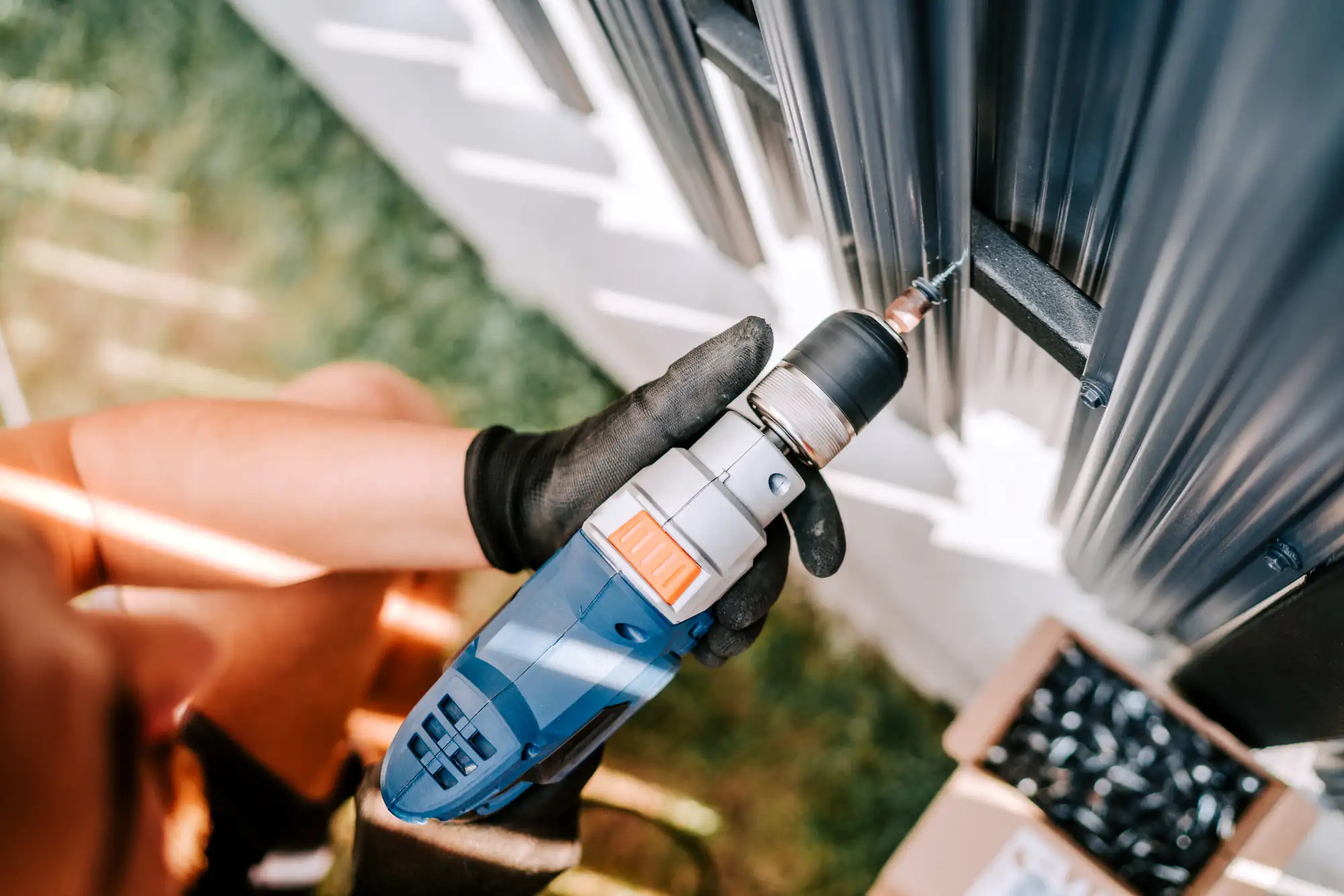
Then come the tools. A gas-powered auger rental — which you’ll need unless you enjoy digging post holes by hand through Long Island’s mix of sandy coastal soil and clay — runs $200 to $300 per day. Add a quality level, a wheelbarrow, post-hole digger, and miscellaneous hardware, and your one-time tool investment for a single project lands somewhere between $800 and $1,560. That’s money you spend once and never recover.
Material waste is another number that rarely makes it into the DIY cost estimate. Research consistently shows that DIY installers waste 15 to 25 percent more material than professional crews — from incorrect measurements, cutting errors, and boards that get damaged during installation. On a mid-sized project, that adds hundreds of dollars to your material cost before you’ve made a single mistake you’d consider a real mistake.
Then there’s the permit. In most Suffolk County towns — Brookhaven, Islip, Smithtown, Huntington — you need a building permit before installing or replacing a fence. The plan review fee in Suffolk County alone is $300, and total permit costs can run several hundred dollars depending on your town. Skip the permit, and you risk a stop-work order, fines, or being required to remove the fence entirely. That’s not a hypothetical — it happens.
Add it all up and the “savings” from going DIY shrink fast. On a 150-foot fence, a homeowner who budgets only for materials often finds the true out-of-pocket cost is within $500 to $1,000 of a professional quote — sometimes less.
Why Suffolk County’s Soil and Climate Make DIY Fence Installation Harder Than It Looks
Long Island isn’t the easiest place to install a fence. The soil varies significantly across Suffolk County — sandy and loose near the South Shore in towns like Bay Shore and Babylon, heavier and more unpredictable as you move north toward Huntington and Smithtown. Sandy soils require more concrete per post to achieve real stability. Variable soil conditions on a single property can change mid-project in ways that require judgment calls most first-time installers aren’t prepared for.
Then there’s the frost line. In Suffolk County, it sits at approximately 36 inches deep. That means every fence post needs to be set at least 36 inches underground — not 24, not 30 — to prevent frost heave from shifting your posts over winter. This is the single most common cause of DIY fence failure in the Northeast. Posts that look perfectly plumb in October can be visibly leaning by March if they weren’t set deep enough. Fixing that isn’t a minor adjustment. It’s pulling posts, re-digging, and starting over.
Salt air is the other factor that doesn’t show up in most DIY guides. Suffolk County’s proximity to the Long Island Sound and the Atlantic means that fence materials — especially untreated wood and certain metals — degrade faster here than they would in an inland market. Material selection matters more than it does elsewhere, and cutting corners on material quality to save money upfront often means a shorter fence lifespan and a full replacement sooner than you’d expect. A DIY fence with improper installation and lower-grade materials can start failing in five to seven years. A professionally installed fence with the right materials should last 15 to 30 years.
Want live answers?
Connect with a Best Fence Long Island expert for fast, friendly support.
Professional Fence Installation: What You’re Actually Getting
Hiring a professional fence company isn’t just paying someone to do the physical work. It’s buying a process — one that starts before the first hole is dug and continues after the last board is set.
We handle utility locating, property line verification, permit filing, grading, concrete work, and cleanup. We bring the right equipment, know how deep posts need to go in your specific soil, and can adjust on the fly when the ground throws a surprise. The result is a fence that’s built to last — and backed by a warranty that means something if it doesn’t.
What Happens When You Skip Property Line Verification in Suffolk County
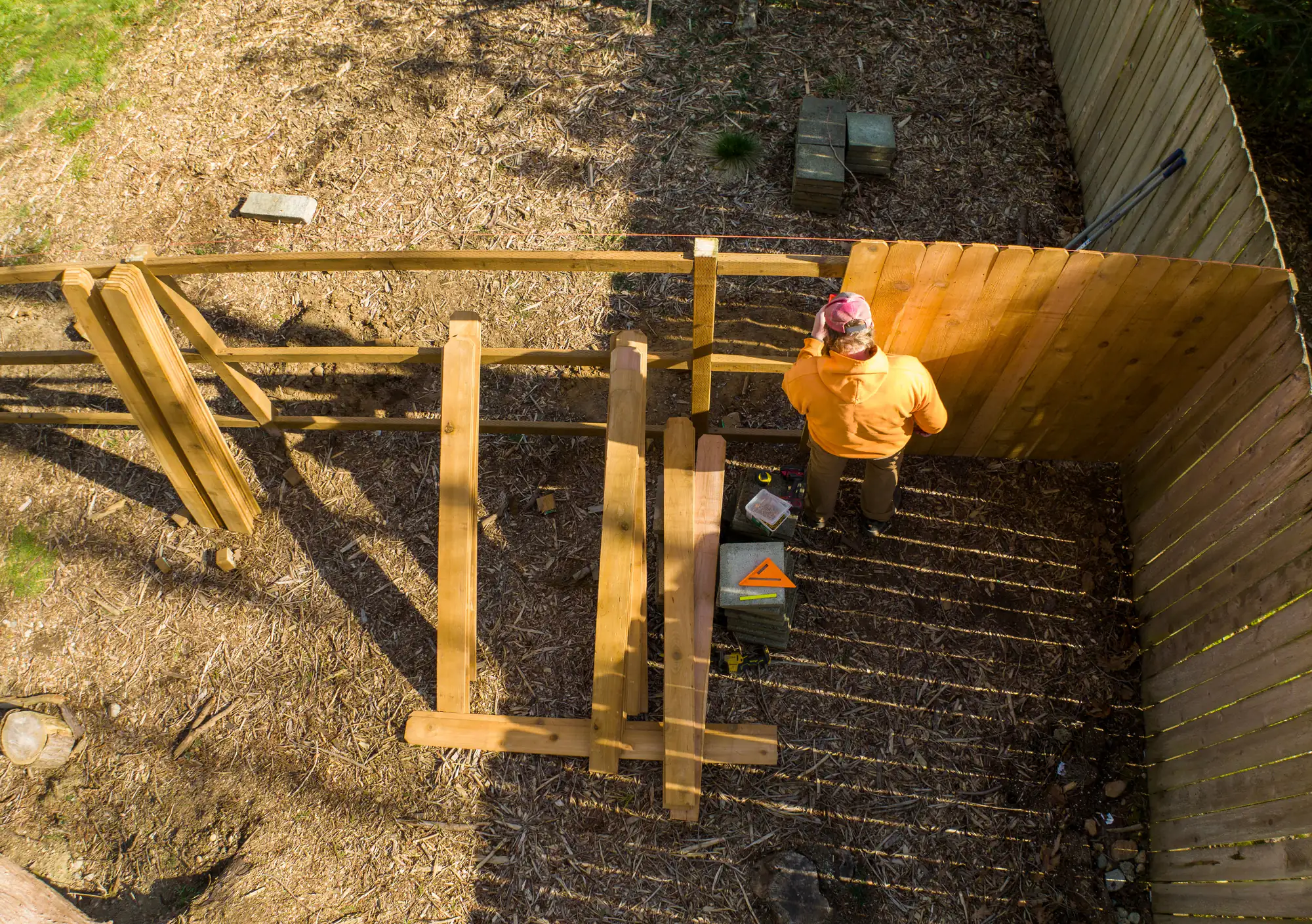
This one catches homeowners off guard more often than you’d expect. Suffolk County’s older residential neighborhoods — especially in towns like Huntington, Islip, and Smithtown — have lots that were subdivided decades ago, sometimes with irregular shapes, informal boundary agreements, and property lines that don’t match where homeowners assume they are.
Building a fence even a few inches over your property line can result in a legal dispute with your neighbor and, in the worst case, a requirement to remove the fence at your own expense. A property survey to resolve a disputed line runs $400 to $800. Add that to your DIY cost, and you’re well past what a professional installation would have cost from the start.
When we visit a property before installation, we verify the property line before a single post goes in the ground. It’s not an extra step — it’s how the job should always start. The same goes for utility locating. Long Island has dense underground infrastructure: gas lines, electric, fiber optic, water. The federal requirement is to call 811 at least two to three business days before digging. Hitting a fiber optic cable can cost $10,000 or more to repair. Hitting a gas line is a different category of problem entirely. We handle this as standard practice. It’s one of those things that sounds like a formality until it isn’t.
We also handle permit filing for Suffolk County towns, which means you don’t have to navigate your town’s building department, figure out what a site plan needs to include, or wonder whether your fence height meets the local code. In most residential areas, backyard fences are capped at six feet and front yard fences at four, with additional restrictions for corner lots. Getting that wrong after the fence is built is an expensive correction.
Why a Fence Warranty Actually Matters on Long Island
A DIY fence has no warranty. If a post shifts after the first hard winter, if a panel warps from the humidity, if a nor’easter takes out a section — that’s on you. The time, the materials, and the repair cost all come out of your pocket.
Long Island gets hit. Nor’easters, tropical storms, and sustained high-wind events are a regular part of life here, and fences take the brunt of it. A fence that was installed with shallow posts or insufficient concrete — two of the most common DIY shortcuts — is significantly more vulnerable to wind damage than one that was built to spec.
We offer warranties on both workmanship and materials, plus storm and vehicle damage repair coverage. That last part matters specifically in this market. When a storm rolls through and takes out a section of fence, you want a contractor who’s already on record as your installer and who stands behind the work — not a crew you have to track down or a repair bill you have to absorb alone.
Our materials are made in America, which affects quality consistency in ways that matter over time. We provide itemized quotes that specify lineal footage, post spacing and depth, and concrete volumes — so you know exactly what you’re getting and can compare it directly to any other quote you receive. Vague estimates that don’t include post depth or concrete specs are often hiding corners that will be cut during installation. Over 15 years of working in Suffolk County, we’ve seen what those shortcuts look like a few seasons later.
Our pricing is also lower than most competitors in this market — not because we cut corners, but because we run an efficient operation and believe a fair price shouldn’t require negotiation. If you’re comparing quotes, ask every contractor to match the level of detail we put in ours. The differences will tell you a lot.
Making the Right Fence Decision for Your Suffolk County Home
DIY fence installation isn’t always the wrong call. For a small project with simple terrain, the right tools, and a homeowner who genuinely has the time and skill, it can work. But for most Suffolk County homeowners — dealing with frost lines, coastal soil, permit requirements, and a fence that needs to hold up through a Long Island winter — the true cost of doing it yourself is a lot closer to the cost of hiring a professional than it first appears.
The math changes when you count tools, waste, permits, time, and the cost of fixing what doesn’t go right. It changes further when you factor in a fence that lasts 15 to 30 years versus one that starts showing problems in five.
If you’re weighing your options, we’re happy to walk through the numbers with you — no pressure, just an honest conversation and an itemized quote that gives you something real to work with.
Frequently Asked Questions
Is it worth installing a fence myself to save money?
It depends on the scope of the project and how you count the costs. On paper, DIY saves on labor — which typically accounts for about half the total cost of a professional installation. In practice, tool rentals ($800–$1,560 for a single project), permit fees, excess material waste, and the time investment (57 to 95+ hours for a 150-foot fence) close that gap significantly. In Suffolk County specifically, the added complexity of frost line requirements, variable soil conditions, and mandatory permits makes the true savings smaller than most homeowners expect going in.
What tools do I actually need for DIY fence installation?
At minimum: a gas-powered auger for post holes (rental runs $200–$300 per day), a post-hole digger, a quality level, a wheelbarrow, a circular saw, a drill, and basic hand tools. You’ll also need concrete, stakes, and string line for layout. If your yard has any slope, you’ll need to know how to rack or step the fence to follow the grade — a skill that takes practice to get right. Most homeowners don’t own the heavy equipment and end up renting it, which adds both cost and logistics to the project.
Do I need a permit to install a fence in Suffolk County, NY?
Yes, in most cases. Towns including Brookhaven, Islip, Smithtown, and Huntington require a building permit before you install or replace a fence. The application typically requires a site plan showing fence placement, proof of 811 utility marking, and confirmation that your fence height meets local restrictions — generally six feet maximum in backyards and four feet in front yards. The Suffolk County plan review fee alone is $300. Installing without a permit puts you at risk of a stop-work order, fines, or being required to remove the fence. It’s one of the most common and costly oversights in DIY fence projects on Long Island.
How deep do fence posts need to be in Suffolk County?
Posts need to be set at or below the frost line, which is approximately 36 inches deep in Suffolk County. This is non-negotiable in a climate with cold winters. Posts set at 24 inches — a common DIY shortcut — are likely to shift or lean after the first freeze-thaw cycle. Once that happens, the fix isn’t a minor adjustment. It typically means pulling the post, re-digging, and resetting with fresh concrete. This is why so many DIY fences in Suffolk County start showing problems by their second winter.
How long does a professionally installed fence last compared to DIY?
A professionally installed fence with quality materials, correct post depth, and proper concrete work should last 15 to 30 years. A DIY fence with shallow posts, insufficient concrete, or lower-grade materials — especially in a coastal environment like Long Island — often starts showing structural problems within five to seven years. The upfront savings from DIY can disappear quickly when you’re looking at a partial or full replacement much sooner than you expected.
Summary:
Table of Contents


Article details:
- Published by:
- Published to:
- Last modified:
- October 19, 2026
Share: